
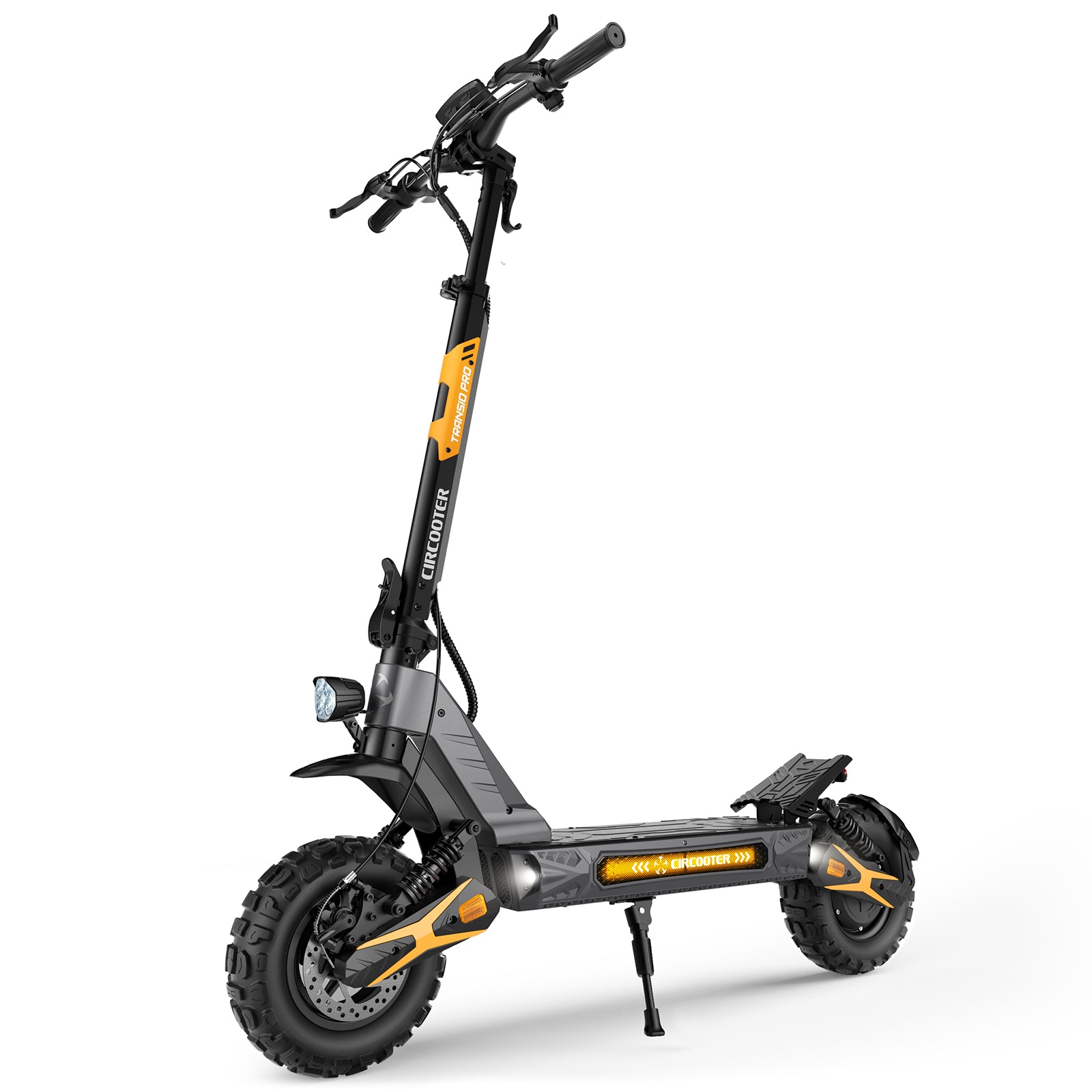
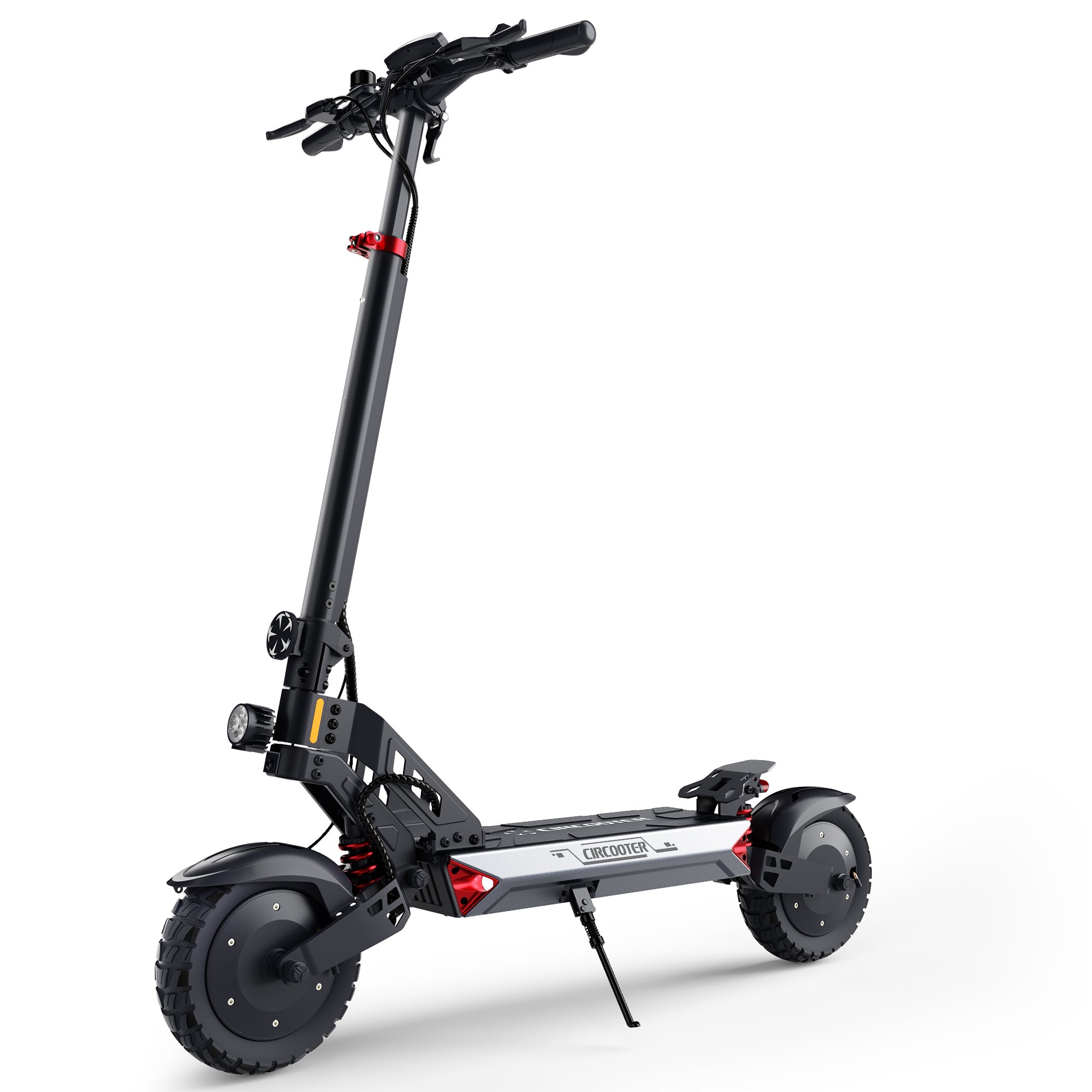
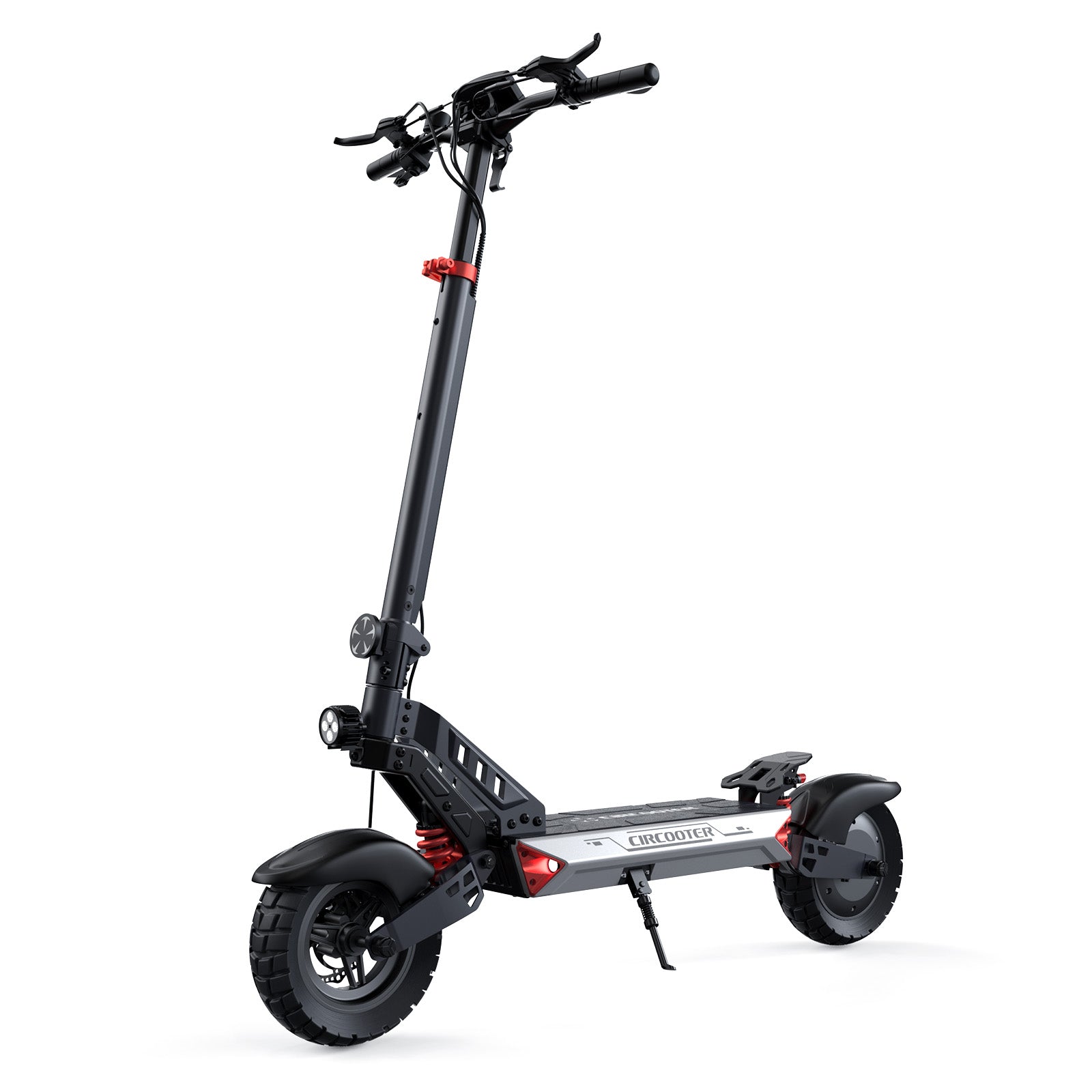
Featured in this post
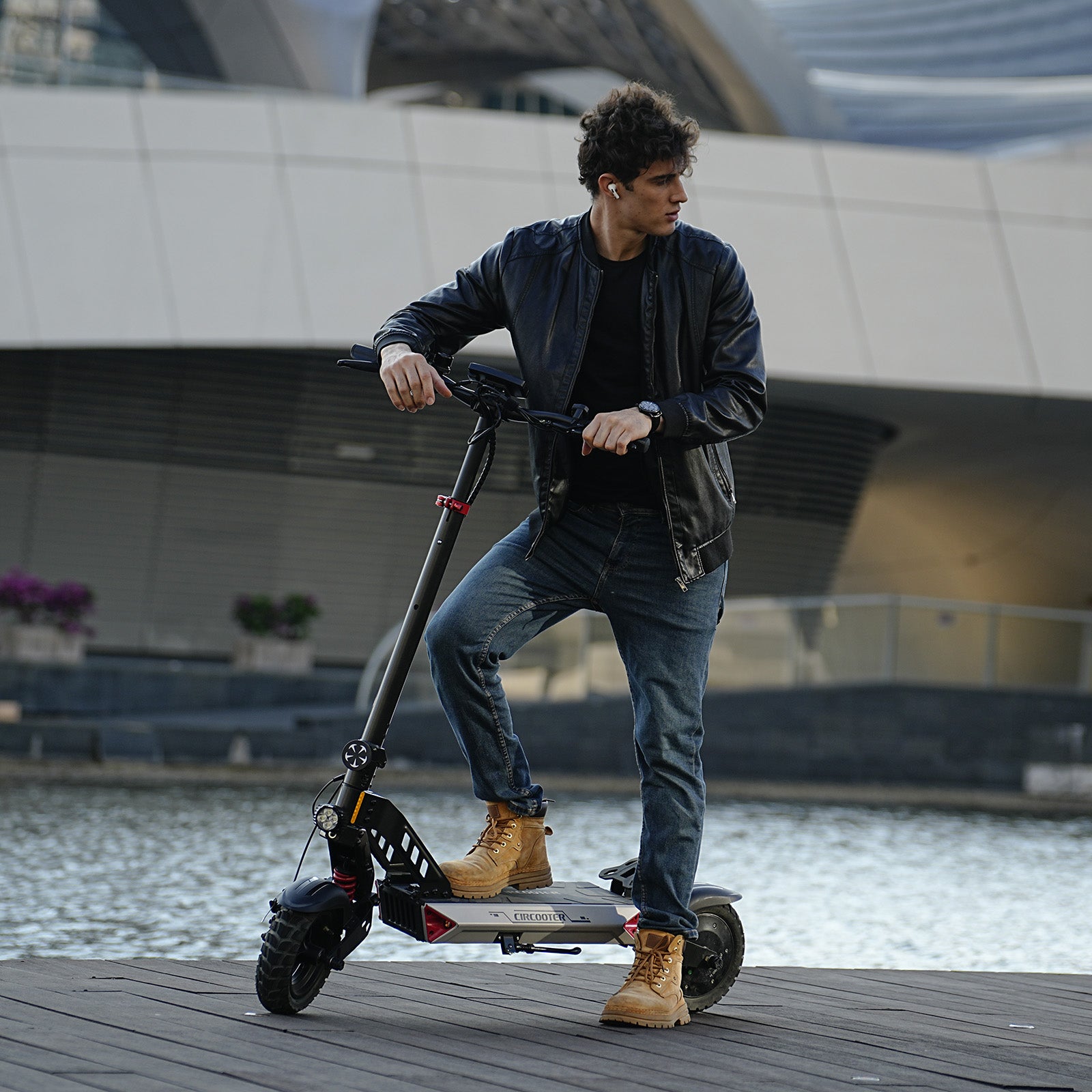
28 MPH
1000W
40 Miles
624Wh
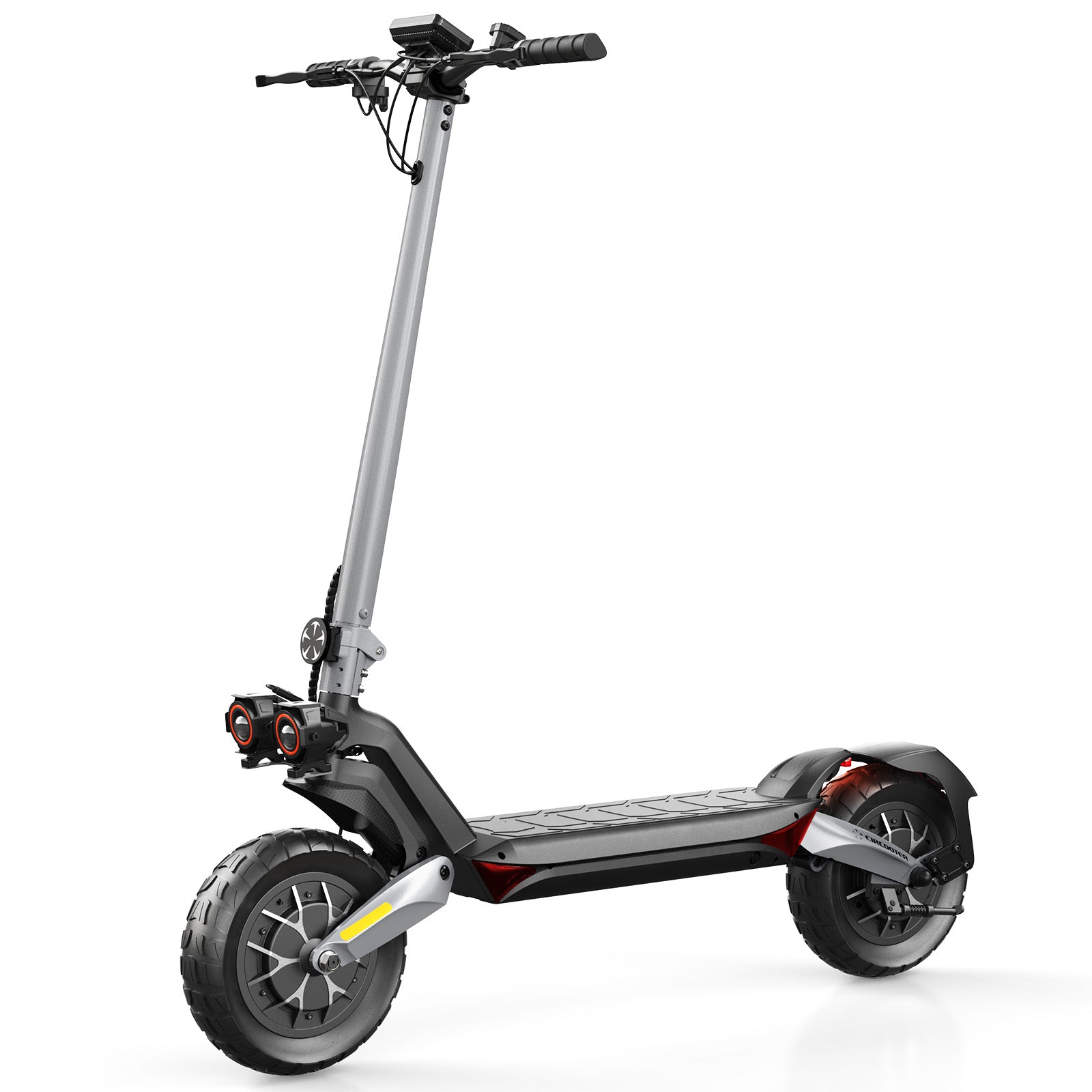

28 MPH
56 Miles
800W*2
960Wh
Introduction
Riding safely in busy streets isn't about being the fastest or the most aggressive rider on the road, but it's about being the most predictable and the most aware.
Traffic is unpredictable. Drivers don't always signal. Pedestrians step out without looking. Cars open doors without checking mirrors. The riders who navigate busy streets confidently aren't the ones who react fastest in emergencies. They're the ones who anticipate situations before they become emergencies. That's what defensive riding actually means, and it's what this guide covers.
Understand What Makes Busy Streets Difficult
Sharing road space with cars, motorcycles, cyclists, pedestrians, and other scooter riders introduces a level of unpredictability that quieter routes don't have. Parked vehicles create blind spots and sudden door-opening hazards. Intersections concentrate multiple unpredictable movements into a small space simultaneously. Pedestrians don't always use crossings or look before stepping into the road.
The underlying challenge is that you can follow all the rules correctly and still encounter a situation that requires immediate response. You don’t necessarily have to prevent every hazard. But you need to be able to reduce how often you’re caught off guard and improve how quickly you respond when you are.
Get the Right Safety Gear Before Anything Else
No riding technique compensates for not wearing a helmet. At even moderate scooter speeds, a fall onto hard pavement can cause serious head injury. A properly fitted helmet that you're comfortable wearing every ride is non-negotiable. The best helmet is one you'll actually put on consistently, not the highest-rated one that sits unused because it's uncomfortable.
Visibility is the second priority. Drivers react to what they can see, and in heavy traffic, you're smaller and less visible than almost every other vehicle. Bright or reflective clothing during the day, reflective gear at night, and scooter lights front and rear all extend how far in advance a driver can see and identify you. That extra second of warning before a potential conflict is what prevents many incidents from occurring.
Master Basic Control Before Entering Traffic
Busy streets are not where to learn how your scooter handles. If you're new to riding, spend time practicing smooth acceleration and gradual braking in a low-traffic area until both feel natural and automatic.
Once you’re used to it, you’ll be able to react quickly. Remember that sudden inputs such as hard braking, sharp acceleration, and quick steering corrections are what cause loss of balance and what surprise nearby riders and drivers. Smooth, gradual control inputs should feel instinctive before you put yourself in a complex traffic environment.
Good riding posture matters too. Both feet are stable on the deck, knees slightly bent to absorb surface changes, firm but relaxed grip on the handlebars. A stiff, tense posture reduces your ability to make small balance adjustments. Relaxed but engaged posture keeps you responsive.
Ride Defensively at All Times
Defensive riding means making decisions based on what other road users might do rather than what they should do. It's the assumption that the car at the junction might not see you, the pedestrian ahead might step sideways, the parked car door might open. This assumption isn't pessimism; it's the mental habit that creates reaction time you'd otherwise not have.
Keep your eyes scanning continuously rather than fixing on a single point ahead. Look further down the road than feels necessary, check your flanks at intersections, and stay aware of what's closing on you from behind on faster roads. The earlier you identify a developing hazard, the more options you have for responding to it. And the slower and less dramatic that response needs to be.
Space is your primary safety resource. Maintaining distance from cars ahead, from other cyclists, from curbs and parked vehicles. This space is what gives you time to react. When something cuts into that space suddenly, your margin shrinks. Guard it consciously rather than letting it erode as traffic tightens around you.
Position Yourself Properly
Where you ride on the road affects how visible you are and how much reaction time you and others have.
Blind spots are genuinely dangerous. If you can't see a driver's face in their mirror, they almost certainly can't see you. Avoid sitting alongside large vehicles, positioning directly behind cars without a clear sightline, or riding in positions where the geometry simply doesn't allow you to be visible. When you're visible, drivers can account for you. When you're not, they can't.
Riding too close to the curb feels safer intuitively, but creates its own hazards. For instance, debris accumulates at road edges, surfaces are often rougher and more unpredictable, and there's no escape space if something forces you to move left. A steady, visible lane position slightly away from the gutter gives you more options and makes you more predictable to drivers behind you.
Use bike lanes when they're available and in reasonable condition. They separate you from faster-moving vehicles and reduce the number of variables you're managing simultaneously. Stay alert within them, though, because bike lanes aren't risk-free, particularly at intersections where vehicle paths cross them.
Control Your Speed
The right speed in busy streets is the one that gives you time to respond to what's around you, not the maximum the scooter can do or the speed that feels exciting.
In high-density areas — busy pavements, crowded crossings, tight junctions — slower speed is genuinely safer in a way that isn't just cautious rhetoric. At lower speeds, your stopping distance is shorter, your control is greater, and the consequences of any contact are significantly less severe. Steady, controlled riding at an appropriate speed is consistently more effective at getting somewhere without incident than faster riding that requires constant reactive corrections.
Adjust speed to conditions rather than maintaining a fixed pace regardless of what's around you. Wet roads, reduced visibility, heavy pedestrian traffic, and narrow lanes all call for a lower speed than the same route in better conditions.
If you need a guide on how to control your speed, you refer to this article here.
Handle Intersections with Extra Care
Intersections concentrate more potential hazards in a smaller space than almost any other road environment. Vehicles turn unexpectedly, pedestrians cross on assumptions about traffic flow, and multiple competing movements happen simultaneously.
Slow down before entering any intersection, regardless of whether you have the right of way. The few seconds this costs you are an exchange for significantly better awareness of what's actually happening before you're committed to moving through it. Make eye contact with drivers at junctions when possible. It provides visual confirmation that they've seen you before you proceed is simple and effective.
Turning vehicles are the most consistent hazard at intersections. A car turning left or right may not register a scooter in its path, particularly if the driver is focused on checking for faster-moving traffic. Assume turning vehicles might not have seen you, and position yourself accordingly.
Be Predictable
In traffic, predictability is a safety feature. When your movements are clear and consistent, other road users can anticipate what you'll do and adjust around you. When they're unpredictable, you create uncertainty that increases the risk of conflict.
Steady lane position without unnecessary weaving, clear signaling of turns and direction changes, obeying traffic signals, and avoiding sudden swerves all make your behavior readable to drivers. The goal is to be the road user who requires the least adjustment from everyone around you.
Stay Focused
Busy streets require undivided attention in a way that quieter routes don't. Using a phone while riding removes attention from an environment where something can change in under a second. Stop safely and completely if you need to check something. Riding with headphones at a volume that blocks surrounding sound removes auditory awareness that matters for detecting approaching vehicles, horns, and the movements of others.
Moreover, fatigue degrades reaction time and decision-making in ways that feel less obvious than they are. Remember to ride more conservatively or delay the trip if you're tired.
Adapt to Weather and Road Conditions
Wet roads change the calculation for everything, including stopping distances increasing, grip decreases, and the consequences of sudden inputs become more serious. Reduce speed, apply brakes earlier and more gradually than you would on dry roads, and avoid sharp directional changes.
Additionally, surface hazards are more dangerous on a scooter than they appear. Potholes, oil patches, loose gravel, and painted road markings when wet can all cause sudden loss of traction. Scanning the road surface further ahead than feels strictly necessary is the habit that gives you time to avoid rather than react.
To Sum It Up
Safe riding in busy streets comes down to awareness, predictability, and appropriate speed. Helmets and visible clothing handle the passive safety. Defensive riding habits handle active safety. This includes scanning continuously, maintaining space, and anticipating movements. Speed control gives you the time to use both.
None of this is complicated, but it does need to be consistent. The riders who stay safe in traffic long-term are the ones who've built these habits until they're automatic, not the ones who remember to apply them when they're already in a difficult situation.
What People Usually Ask
Is it safe to ride an e-scooter in busy streets?
Yes, with appropriate preparation and habits. Helmet, visible clothing, controlled speed, and defensive awareness make busy street riding manageable. Without those, the risks are significantly higher.
What speed is safe in crowded areas?
The speed that gives you adequate stopping distance for what's ahead of you and lets you respond to sudden movements around you, not a specific number.
Do I need to wear a helmet every time?
Yes, every ride. Falls at scooter speeds on hard surfaces cause serious head injuries. A properly fitted helmet worn consistently is the single most important safety measure available.
How can I make myself more visible to drivers?
Bright or reflective clothing, front and rear lights, and deliberate road positioning where drivers can see you. Avoiding blind spots, particularly alongside large vehicles and directly behind cars, is as important as the gear itself.
What should I do at intersections?
Slow down before entering, regardless of right of way, scan for turning vehicles, and make eye contact with drivers when possible before proceeding. Assume turning vehicles may not have seen you until you have clear confirmation they have.



Leave a comment
All comments are moderated before being published.
This site is protected by hCaptcha and the hCaptcha Privacy Policy and Terms of Service apply.