
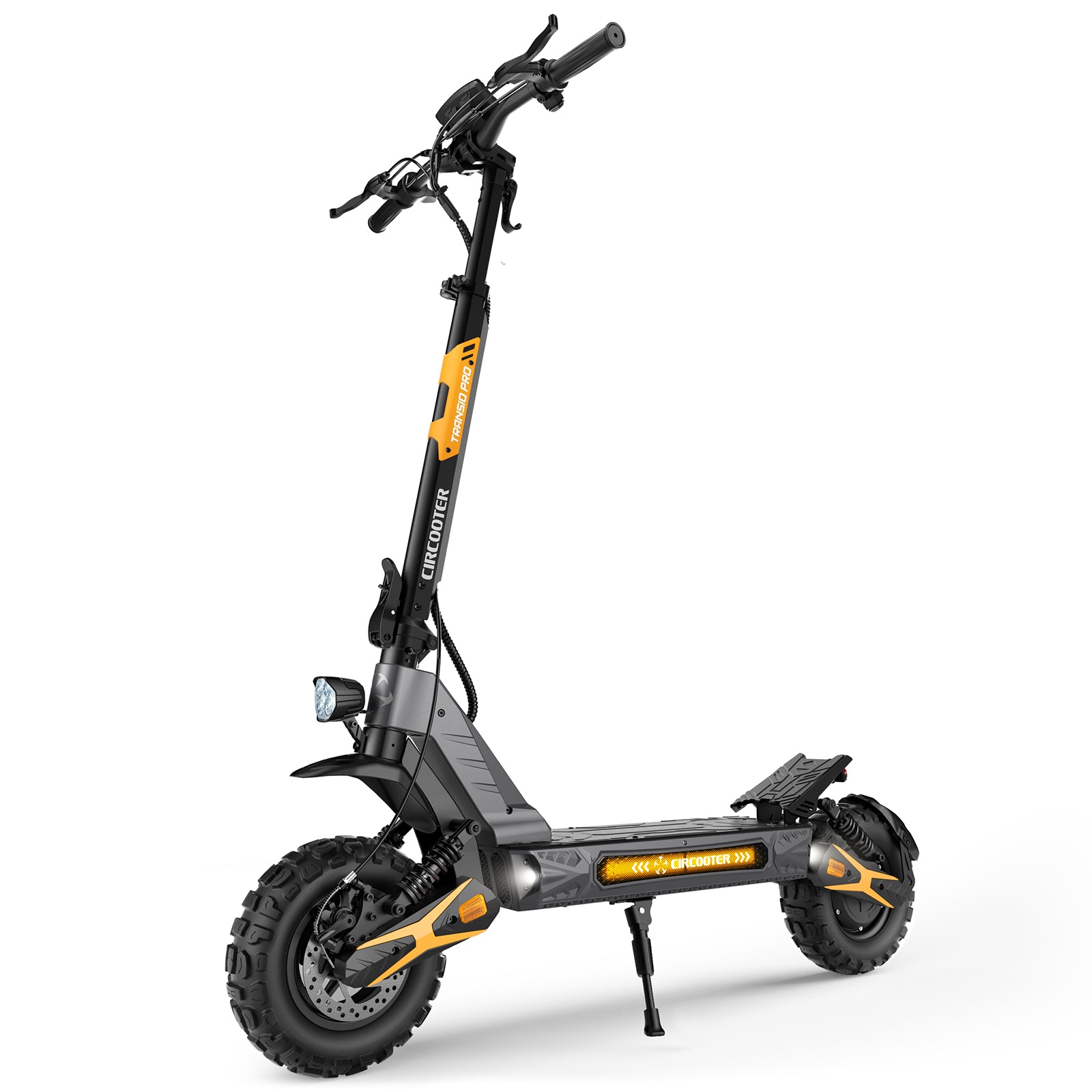
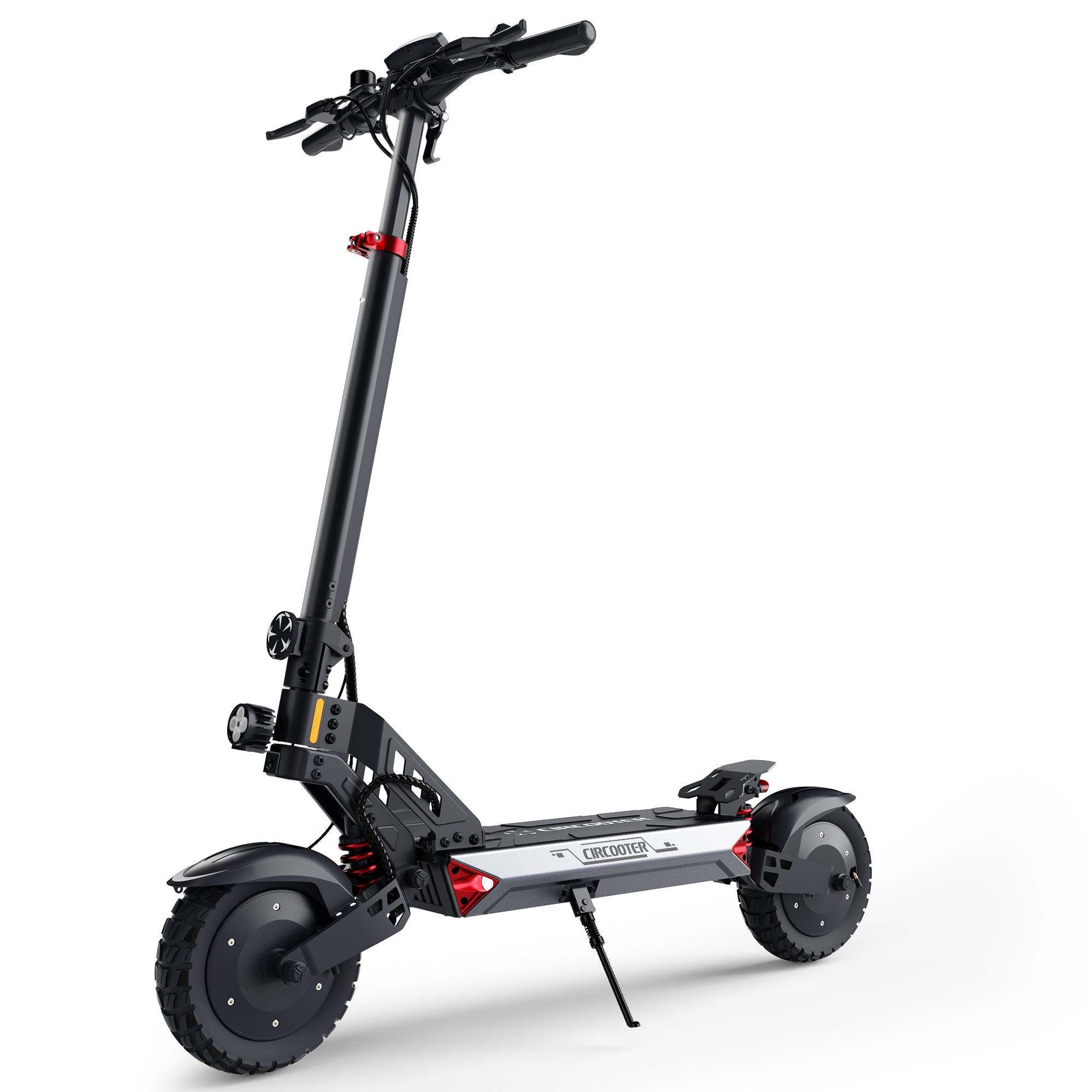
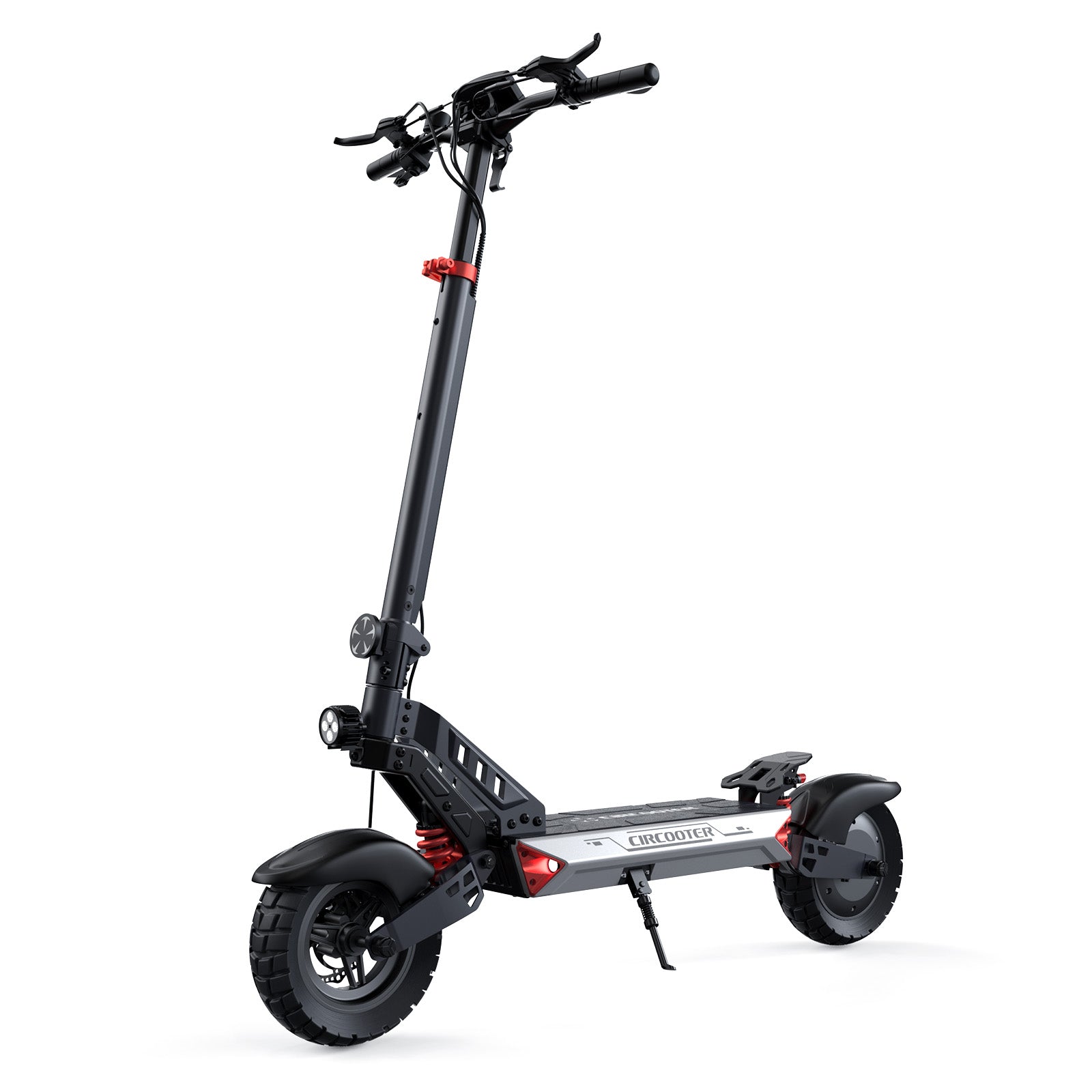
Featured in this post
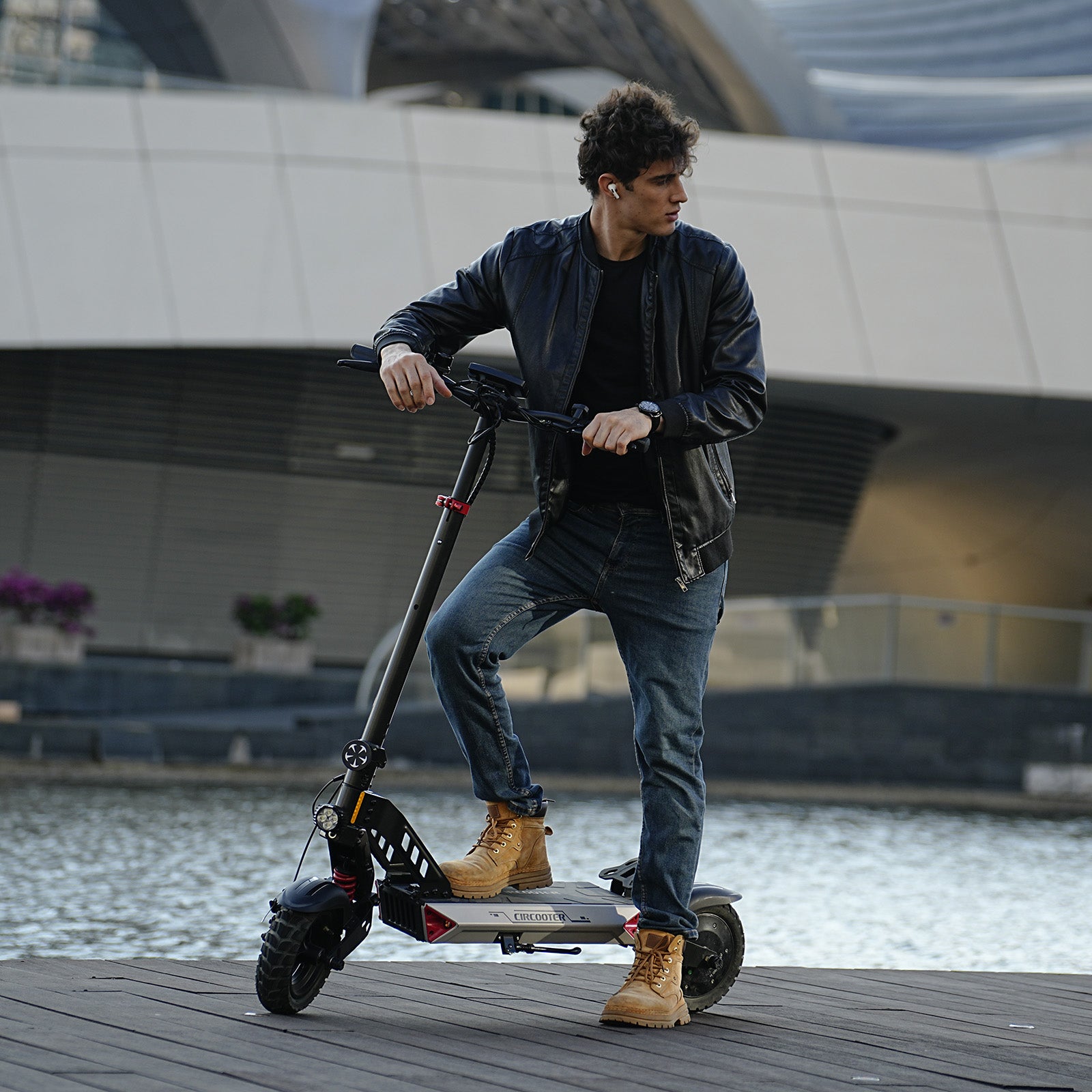
28 MPH
1000W
40 Miles
624Wh
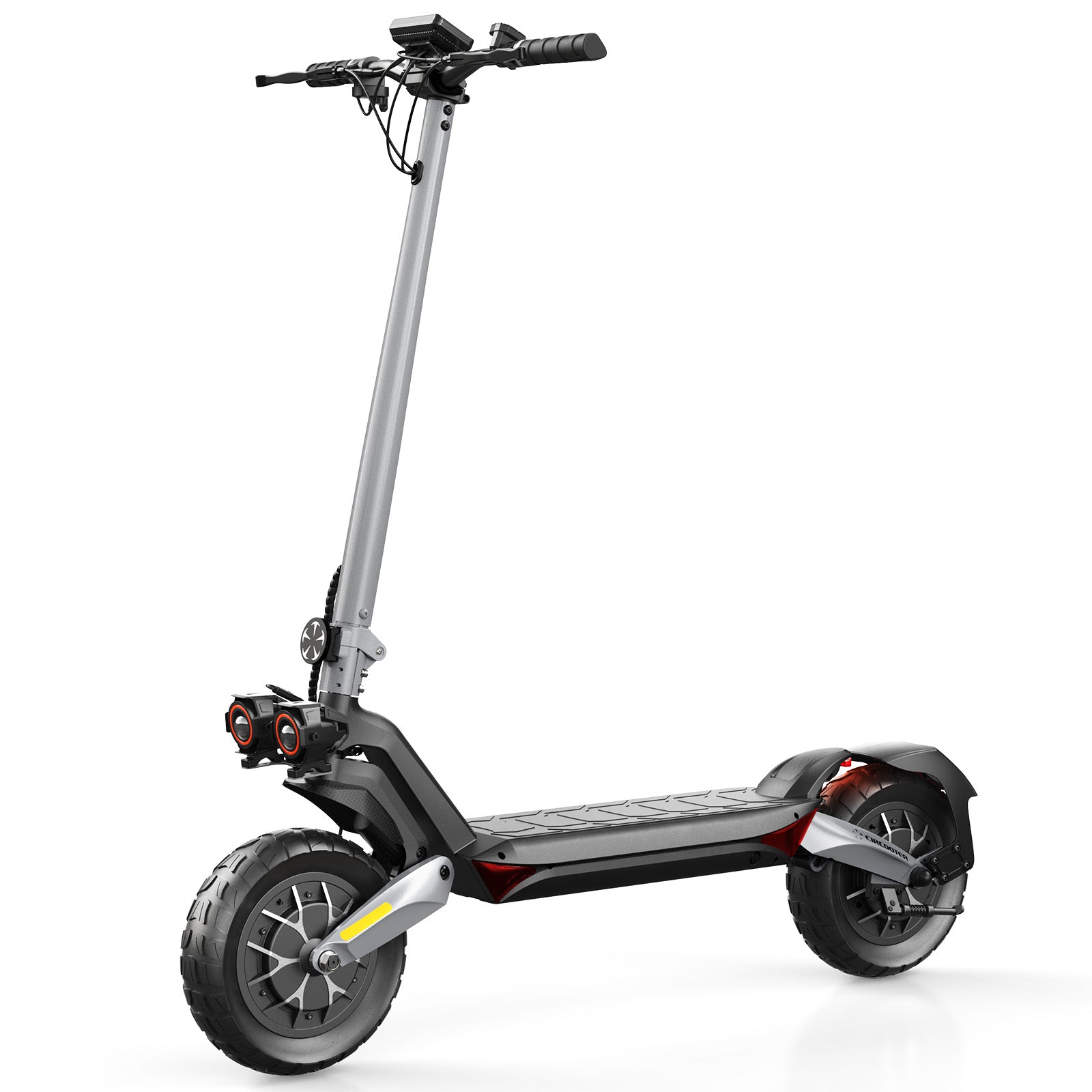

28 MPH
56 Miles
800W*2
960Wh
How to Maintain Your E-Scooter for Longer Life
Learn simple, effective ways to maintain your e-scooter, extend its lifespan, and keep it running safely with easy daily, weekly, and monthly care tips.
Introduction
Maintaining your e-scooter comes down to consistent care: keep it clean, charge the battery properly, check key components regularly, and fix small issues before they snowball into bigger ones. With just a few minutes of routine attention, you'll enjoy smoother rides and a scooter that lasts significantly longer.
Why E-Scooter Maintenance Matters
Many riders assume e-scooters are "low maintenance," but what they don’t know is that while they're simpler than cars or motorcycles, they still need regular care. Ignoring upkeep can lead to reduced battery life, weaker performance, and even safety risks on the road.
The good news is that proper maintenance pays off in every way. It extends battery lifespan, improves ride quality, prevents unexpected breakdowns, saves money on repairs, and keeps you safe. Think of it this way: a well-maintained e-scooter can last years longer than one that's been neglected.
Daily and Weekly Maintenance Habits
Keep It Clean
Dust, dirt, and moisture can slowly damage your scooter's components. After riding, wipe it down with a dry or slightly damp cloth, especially in wet or muddy conditions. Focus on the deck, frame, wheels, and folding mechanism. Avoid spraying water directly onto the scooter, as it can seep into the electrical parts.
Check the Tires
Tires play a huge role in both safety and comfort. Before you ride, give them a quick look for proper inflation (if pneumatic), cracks, punctures, or uneven wear. Underinflated or worn-out tires reduce control and increase the risk of accidents, and it only takes a second to check.
Inspect the Brakes
Your brakes should always respond quickly and smoothly. Test them at low speed before each ride, and listen for any unusual sounds or looseness in the lever. If braking feels weak or delayed, fix it right away. Don’t even delay it.
Battery Care for Longer Lifespan
The battery is the most valuable and sensitive part of your scooter, so it deserves a little extra attention.
Avoid overcharging. Occasionally, leaving your scooter plugged in overnight is fine, but doing so regularly can shorten battery life. Most modern scooters stop charging automatically, but it's still a good habit to unplug once it's full.
Don't let it fully drain. Try to recharge when the battery drops to around 20 to 30%, and aim to keep it between 20% and 80% for everyday use. Constantly running it to zero stresses the cells and reduces their capacity over time.
Store it at the right temperature. Extreme heat or cold is hard on batteries. Store your scooter indoors when possible, away from direct sunlight and freezing temperatures.
Monthly Maintenance Checklist
Tighten Bolts and Screws
Vibrations from daily riding can loosen parts over time. Once a month, check the handlebar stability, inspect the folding joints, and tighten any visible screws. Loose parts might seem minor, but they can become a safety hazard if left unchecked.
Lubricate Moving Parts
The folding mechanism and suspension joints (if your scooter has them) should move smoothly without resistance. Apply a light lubricant to the folding latch and any joints. However, don't overdo it because too much lubricant attracts dirt and can cause its own problems.
Check Lights and Electronics
Make sure your headlights, taillights, display screen, and throttle are all working properly. Electronic issues are much easier (and cheaper) to deal with early, so if something feels off, address it before it turns into a bigger problem.
Tire Maintenance Tips
For scooters with air-filled tires, keeping the pressure correct is essential. Low pressure reduces efficiency, increases wear, and makes the ride feel less stable. Check the pressure weekly with a gauge and top it up as needed.
Over time, tires simply wear out. Replace them when you notice bald spots, reduced grip, or frequent flats. It's also worth knowing the tradeoff: solid tires last longer but give a rougher ride, while pneumatic tires need more care but offer better comfort.
Brake System Maintenance
E-scooters typically use disc brakes, drum brakes, or electronic brakes. Each requires slightly different care, but all should be checked regularly.
If your brakes start to feel loose, try tightening the cable slightly and testing the response afterward. Be careful not to overtighten, as that can cause constant friction even when you're not braking.
Brake pads also wear down over time. Squeaking sounds, reduced stopping power, or visibly thinned pads are all signs it's time for a replacement. Catching risks this early is important.
Storage and Weather Protection
Most e-scooters are water-resistant, not waterproof, so riding through heavy rain or deep puddles can damage internal components. If your scooter does get wet, dry it off immediately and let it air out completely before plugging it in to charge.
If you're not planning to ride for a while, store it properly: charge the battery to around 50-60%, keep it in a cool, dry place, and check on it once a month. This prevents battery degradation during long periods of non-use.
Riding Habits That Extend Scooter Life
How you ride matters just as much as how you maintain your scooter. Smooth acceleration reduces strain on the motor and battery, while sudden bursts of speed wear things down faster. Stick to the recommended weight limit. Moreover, do not overload since it stresses the motor, wears out the tires, and drains the battery more quickly. And whenever possible, stick to smooth surfaces; rough or off-road terrain takes a real toll on components.
Common Mistakes to Avoid
A lot of riders unintentionally shorten their scooter's lifespan through small, avoidable habits. Ignoring loose screws, charging the battery immediately after a hot ride, using the wrong charger, skipping regular inspections, and riding frequently in heavy rain are all easy ways to create bigger problems down the line. Fixing minor issues early is almost always cheaper and faster than dealing with the fallout later.
Conclusion
Maintaining your e-scooter doesn't require any special skills. You just need to clean it regularly, keep the tires and brakes in good shape, and care for the battery. These habits could add years to its life. A few minutes of maintenance here and there means safer rides, fewer surprises, and a scooter that keeps paying for itself long into the future.
FAQs
How often should I maintain my e-scooter?
Basic checks like brakes and tires should be done weekly, while more thorough inspections are fine to do monthly.
Can I wash my e-scooter with water?
It's best to avoid spraying water directly on it. Use a damp cloth instead to keep moisture away from the electrical components.
How long does an e-scooter battery last?
Most batteries last 2 to 3 years, depending on usage and care. Good charging habits can push that lifespan further.
What's the most important part to maintain?
Definitely the battery, hands down. Followed closely by the brakes and tires for safety.
When should I replace my tires?
Replace them when you notice reduced grip, visible wear, or frequent flats. Worn tires affect both safety and ride quality.



Leave a comment
All comments are moderated before being published.
This site is protected by hCaptcha and the hCaptcha Privacy Policy and Terms of Service apply.