
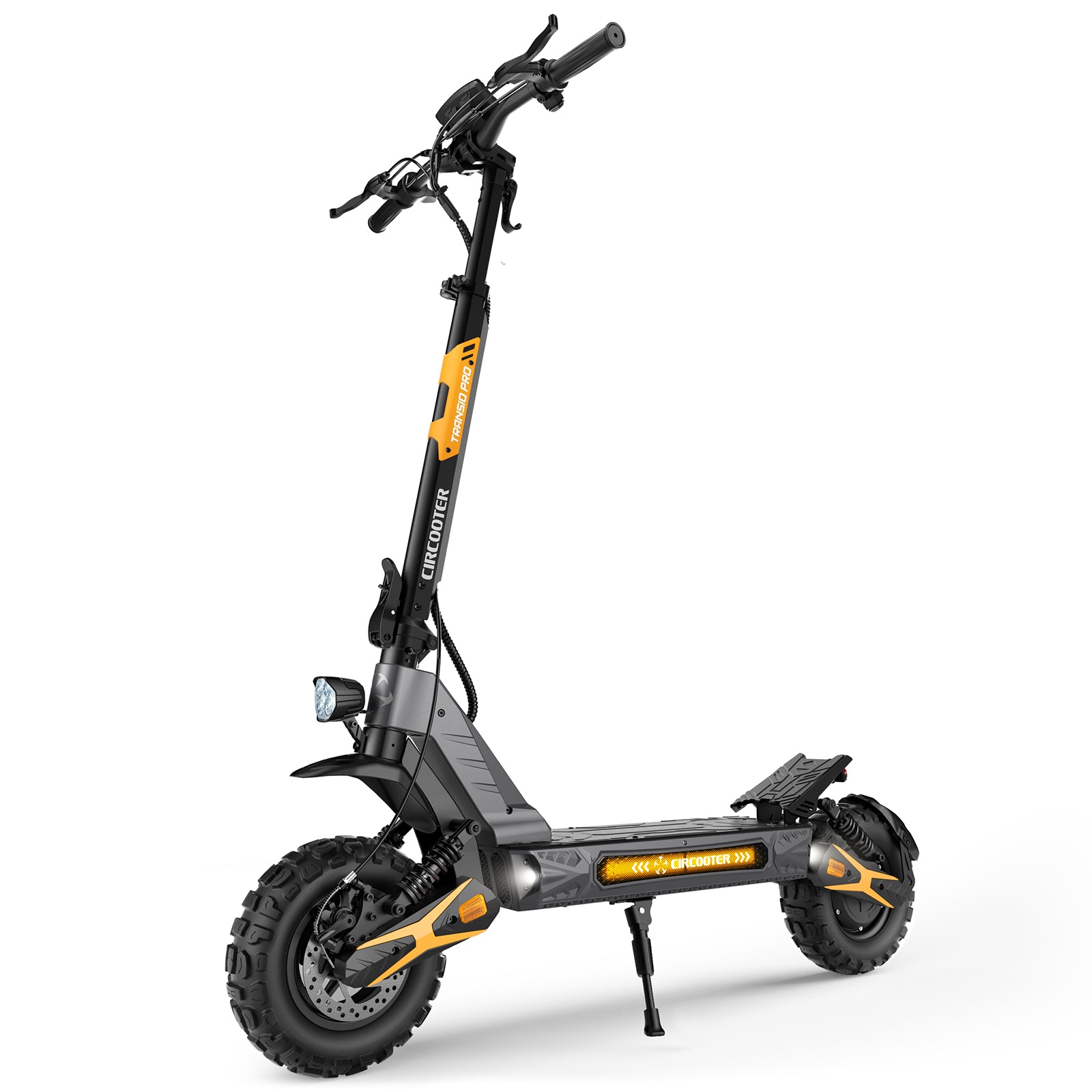
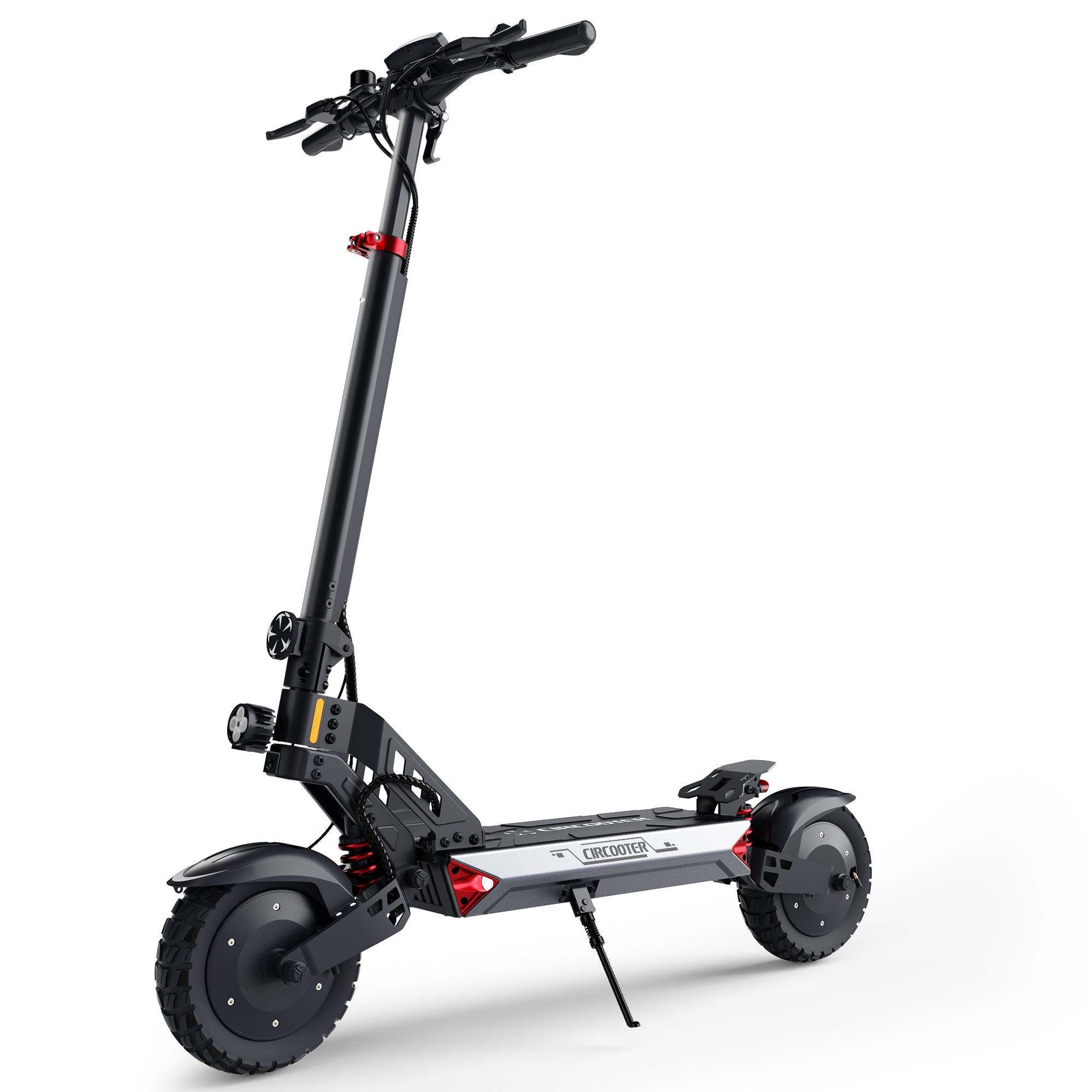
Featured in this post
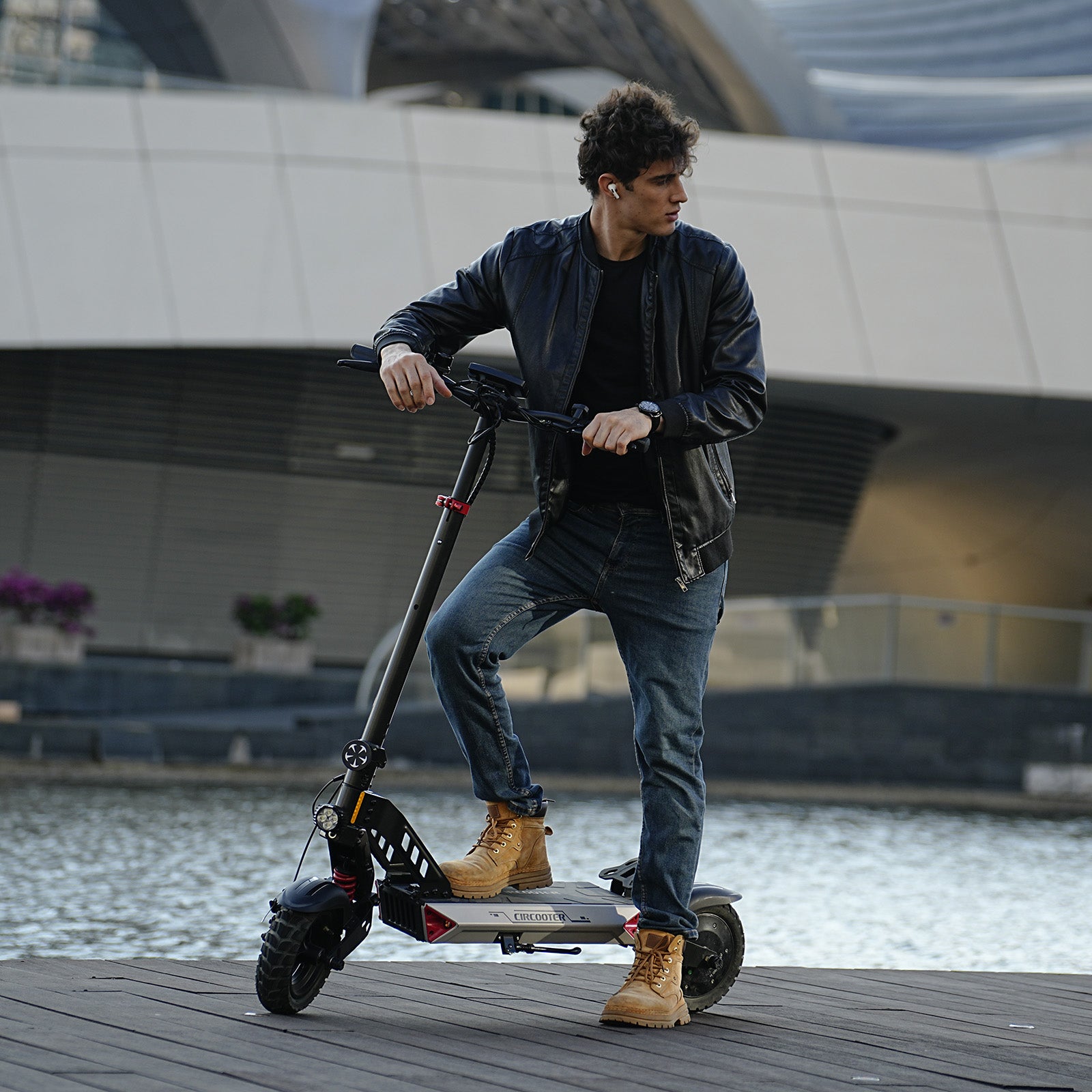
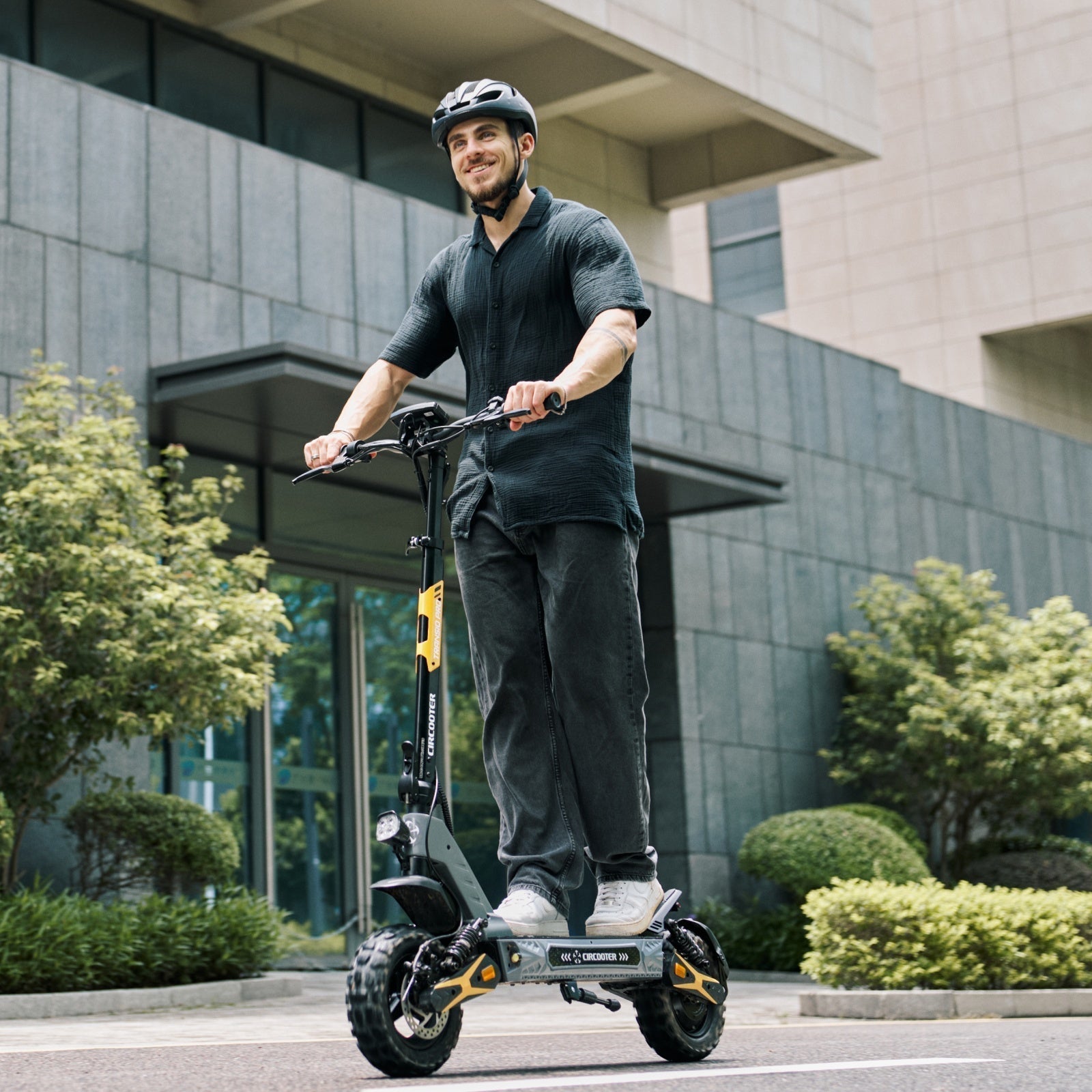
28 MPH
1000W
40 Miles
624Wh
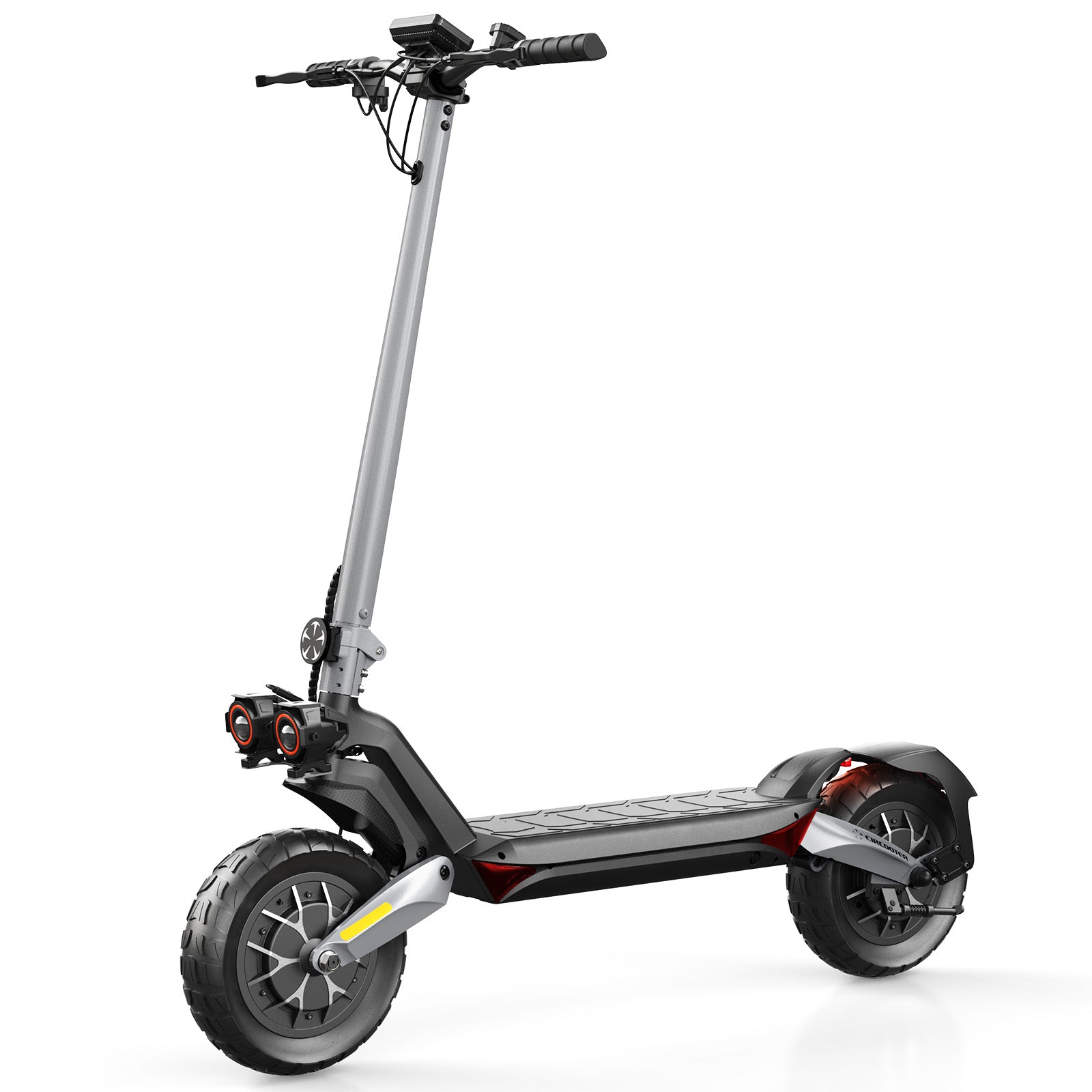

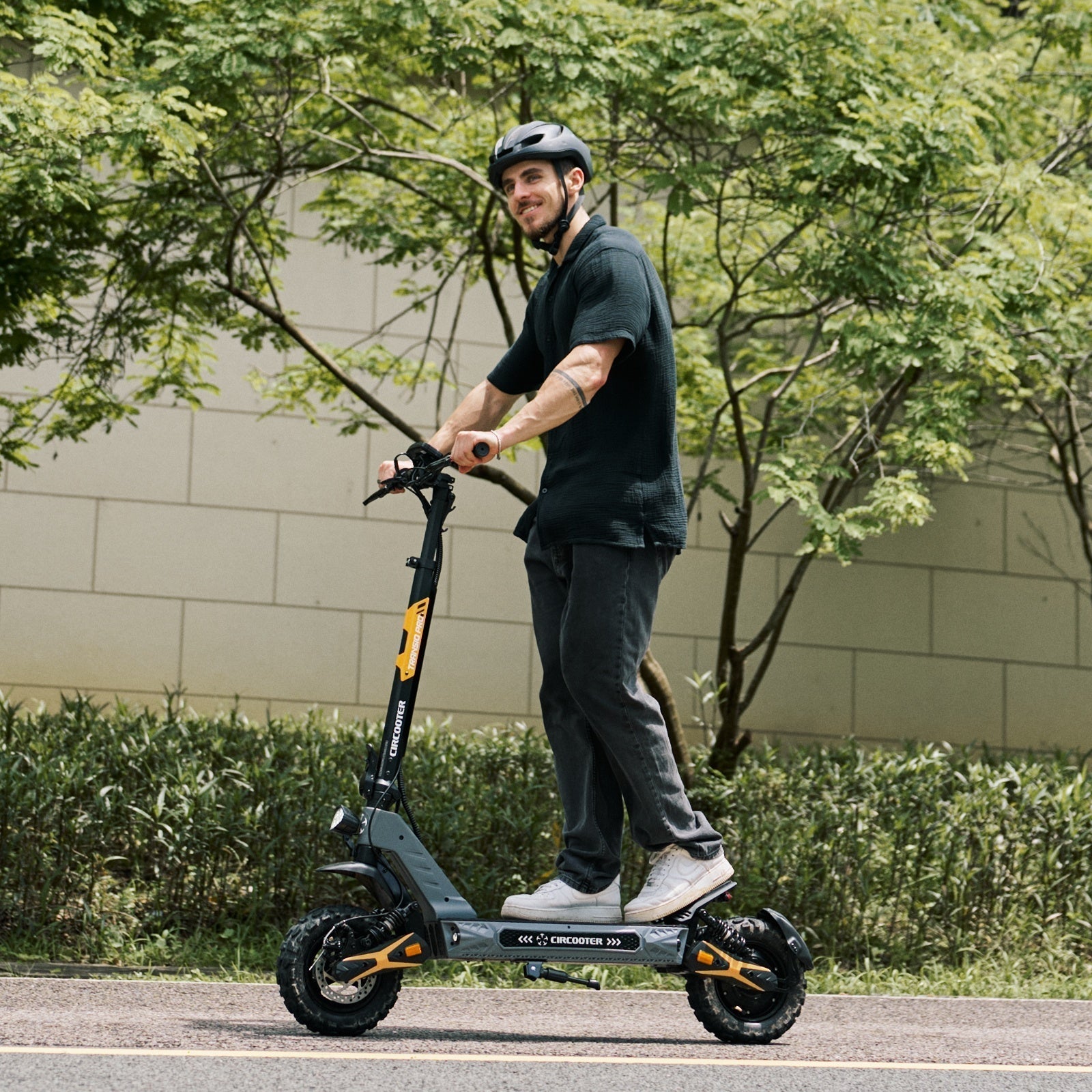
28 MPH
56 Miles
800W*2
960Wh
Introduction
The right electric scooter isn't the one with the most impressive spec sheet, but rather the one that fits how you actually ride. Start there, and most of the other decisions follow naturally.
Whether you're commuting, running weekend errands, or just want something fun and flexible, matching the scooter to your real use case is what separates a purchase you're happy with from one that collects dust after a month.
Start by Understanding How You'll Use It
Before comparing specs, be honest about what your riding actually looks like.
Daily commuters need a reliable range, reasonable comfort for repeated use, and ideally something lightweight or foldable if transit is part of the routine. Short urban commutes don't demand extreme specs. They just need convenience and consistency to matter more than peak performance. While casual and leisure riders prioritize a smooth, comfortable experience over speed or range, larger tires or light suspension make a meaningful difference in how enjoyable a relaxed weekend ride feels. But riders who want both need something balanced across all the key areas rather than exceptional in one and weak in others.
Most buyers fall into that third category without realizing it, which is why flexibility and durability tend to matter more than chasing a single impressive number.
Battery Range and Charging
Range is the spec that most directly determines whether the scooter works for your life or doesn't.
How Much Do You Actually Need
For daily trips under 10 km, a basic range is fine. Trips in the 10-25 km range need a mid-capacity battery to give you a comfortable buffer. But anything beyond that consistently calls for a high-capacity battery with enough headroom that range anxiety doesn't become part of every ride.
A practical rule of thumb is to find a scooter rated for at least 30 to 40% over your typical trip distance. In addition, the real-world range in actual conditions is always lower than the manufacturer claims under ideal testing conditions.
Charging Logistics
Charging time matters more than people often consider before buying. If you charge overnight, a longer charge time is no inconvenience. If you need to charge between uses during the day, faster charging becomes practically significant. Think about where you'll charge and whether the charging setup fits that reality.
Speed and Motor Power
Speed is the spec most buyers focus on, and one of the least important ones for most riding situations.
Matching Speed to Your Environment
A lot of people think that the limiting factor in riding through crowded urban areas is the scooter’s top speed. But it’s actually the traffic, pedestrians, and intersections.
A moderate top speed with better control and braking is safer and more practically useful than a high top speed you can rarely use. On open bike paths or quieter roads, higher speeds make more sense. Be honest about which environment describes your actual riding.
Motor Power for Your Terrain
Motor power determines how the scooter performs on hills, how quickly it responds from a stop, and how it handles heavier riders. For flat terrain and lighter riders, 250-350W handles most situations. If your route involves meaningful inclines or you're a heavier rider, 500W or higher makes a noticeable difference in performance and prevents the scooter from feeling sluggish under real load.
Tires and Comfort
Tire type has more impact on daily riding comfort than most riders expect before they've tried both options.
Solid tires commonly require no maintenance and can't be punctured, which makes them genuinely useful advantages for daily commuters. The trade-off is a firmer, more vibration-heavy ride that accumulates over longer distances. Pneumatic tires absorb road imperfections significantly better, making rides noticeably smoother on real urban surfaces. They require occasional pressure checks and carry a small puncture risk. For short, smooth rides, solid tires are fine. For anything longer or on mixed surfaces, most riders prefer pneumatic.
Moreover, suspension adds another layer of comfort on rougher surfaces. Not every scooter needs it, but if your commute involves uneven roads, rough pavement, or anything other than well-maintained city streets, even basic front suspension changes how the scooter feels and how tired you will be when you arrive.
Weight, Portability, and Build
Matching Weight to Your Routine
Lighter scooters are easier to carry upstairs, lift onto transit, and handle in general. Heavier scooters tend to feel more stable at speed and are often built more robustly. If portability is a daily requirement, weight should be near the top of your criteria. If the scooter mostly stays on the ground and rides directly to your destination, stability and build quality matter more.
Folding Mechanism
Not all foldable scooters are equally convenient. For commuters who need to bring their scooters in transit or carry them to the office, it is essential to evaluate the folding mechanism carefully.
A good one folds in a few seconds, locks securely in both open and folded positions, and reduces to genuinely compact dimensions. A mediocre one takes two hands, several steps, and doesn't fold much smaller than the unfolded version.
Frame and Build Quality
Frame material and construction quality determine how long the scooter holds up to daily use. Aluminum alloy is light enough to be practical and strong enough to handle regular riding, making it standard for commuter-grade scooters. Check joint construction and the quality of connections, particularly around the folding mechanism, which bears repetitive stress.
Safety Features
Brakes are the safety feature that matters most. Disc brakes provide strong, consistent stopping power and handle wet conditions better than simpler systems. Electronic braking alone isn't sufficient for hard stops. A combination of electronic and mechanical braking is the most reliable setup. Where possible, test or research actual stopping performance rather than accepting brake type as a sufficient description.
Lighting also matters for visibility rather than just illumination. A bright front light, rear brake light, and side reflectors make you visible to drivers from multiple angles. Even for riders who rarely ride at night, good lighting in low-visibility conditions improves safety meaningfully.
Another important feature is stability, which comes from a combination of deck width, tire size, and handlebar rigidity. A wider deck and larger tires make the scooter more forgiving of small balance adjustments, which matters at speed and on uneven surfaces.
Terrain and Road Conditions
Smooth city roads are the most forgiving environment and the least demanding on the scooter's specs. Most scooters handle them well. Rough or uneven roads demand larger tires, suspension, and a stronger motor to maintain comfortable performance. As for hills, they require an honest assessment of motor power. On the other hand, a scooter that handles flat commuting fine may labor noticeably on regular inclines, and that frustration compounds daily.
Budget and Value
Entry-level scooters work for short, simple use cases on forgiving terrain. Mid-range options provide meaningful improvements in range, comfort, and build quality that most daily commuters will notice and appreciate. There are also premium options that add performance and features that matter for specific use cases, but aren't necessary for typical everyday riding.
The right framework is valuable for your specific use case rather than either maximizing specs within budget or minimizing cost. A mid-range scooter that covers your actual needs reliably is a better purchase than a cheap one that almost covers them or an expensive one with capabilities you won't use.
There is an ideal for every rider out there. Try reading this article to know the best scooters for all ages.
Mistakes Worth Avoiding
- Optimizing for top speed is the most common misdirection. It's an easy number to compare and is rarely the thing that determines daily satisfaction.
Ignoring range buffers could leave you anxious or stranded.
- Choosing based on appearance over function produces buyers' regret once the novelty wears off.
- Overestimating how often you'll ride leads to overspending on specs that sit unused.
- Forgetting about portability creates daily friction that eventually reduces how often you use the scooter.
Conclusion
Choosing the right electric scooter starts with honest self-assessment about your actual riding habits and ends with finding the scooter that handles those habits reliably. Range for your distance, power for your terrain, comfort for your typical ride length, and portability for your storage situation. When those align, the choice becomes clear, and it’s easier to pick out the model you want.
The best scooter is the one you'll actually use every day without thinking about its limitations.
Frequently Asked Questions
What is the best electric scooter for beginners?
Something with moderate speed, good brakes, stable tires, and an intuitive control layout. Beginners benefit from a forgiving, stable platform more than from impressive performance specs they're not yet able to use safely.
How much range do I need?
At least 30-40% more than your typical daily distance, to account for real-world range being lower than stated specs and to avoid range anxiety on slightly longer days.
Are more expensive scooters always better?
No. They offer more capability, which only matters if your riding requires it. A mid-range scooter that covers your needs reliably is a better purchase than a premium one with features you won't use.
Can electric scooters handle hills?
Some can, with adequate motor power. If hills are a regular part of your route, prioritize motor wattage and torque over top speed. A scooter that struggles on hills will frustrate you every single day.
Is a heavier scooter better than a lighter one?
Heavier scooters tend to feel more stable and are often built more robustly. Lighter ones are easier to carry and manage off the ground. Which matters more depends entirely on your daily routine.



Leave a comment
All comments are moderated before being published.
This site is protected by hCaptcha and the hCaptcha Privacy Policy and Terms of Service apply.