
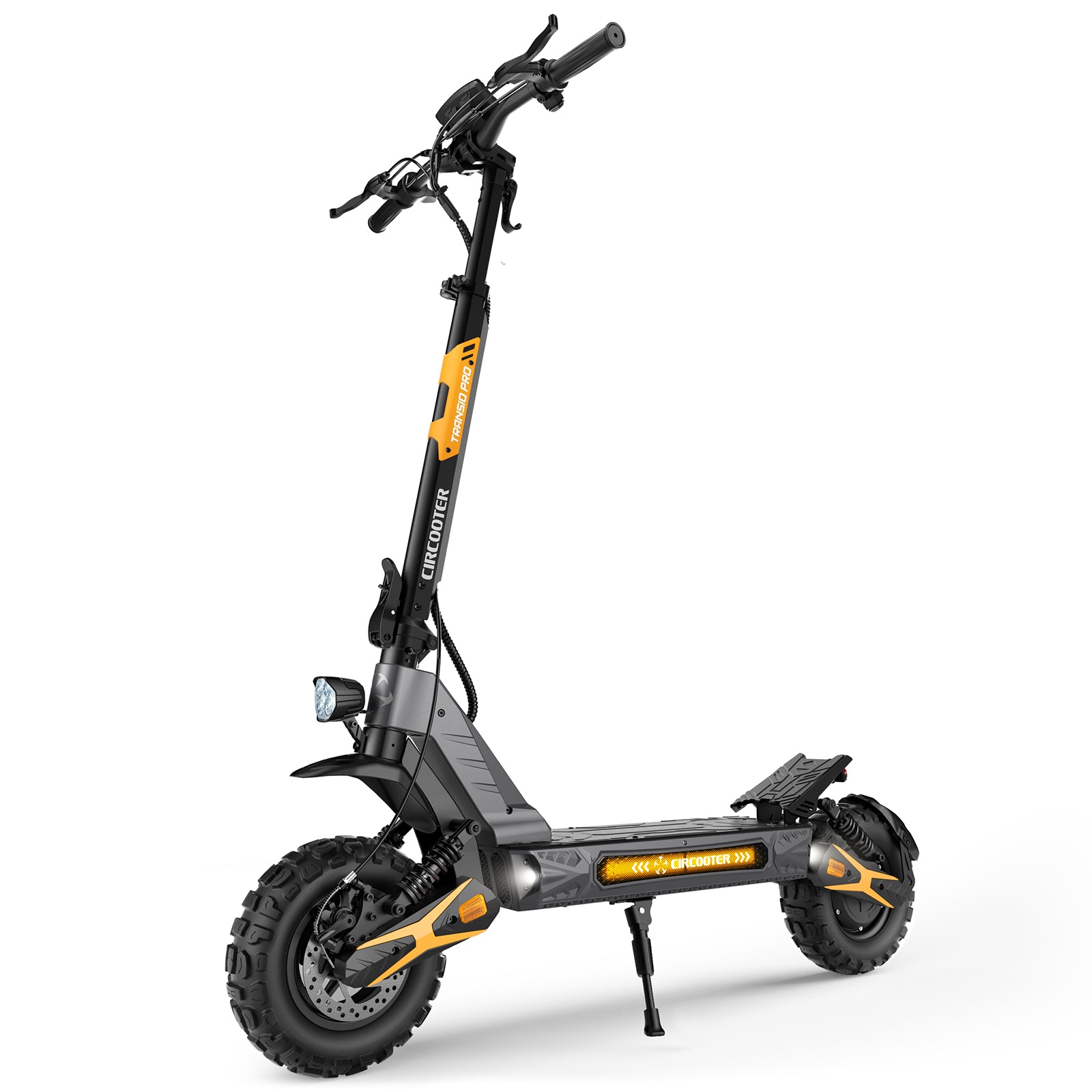
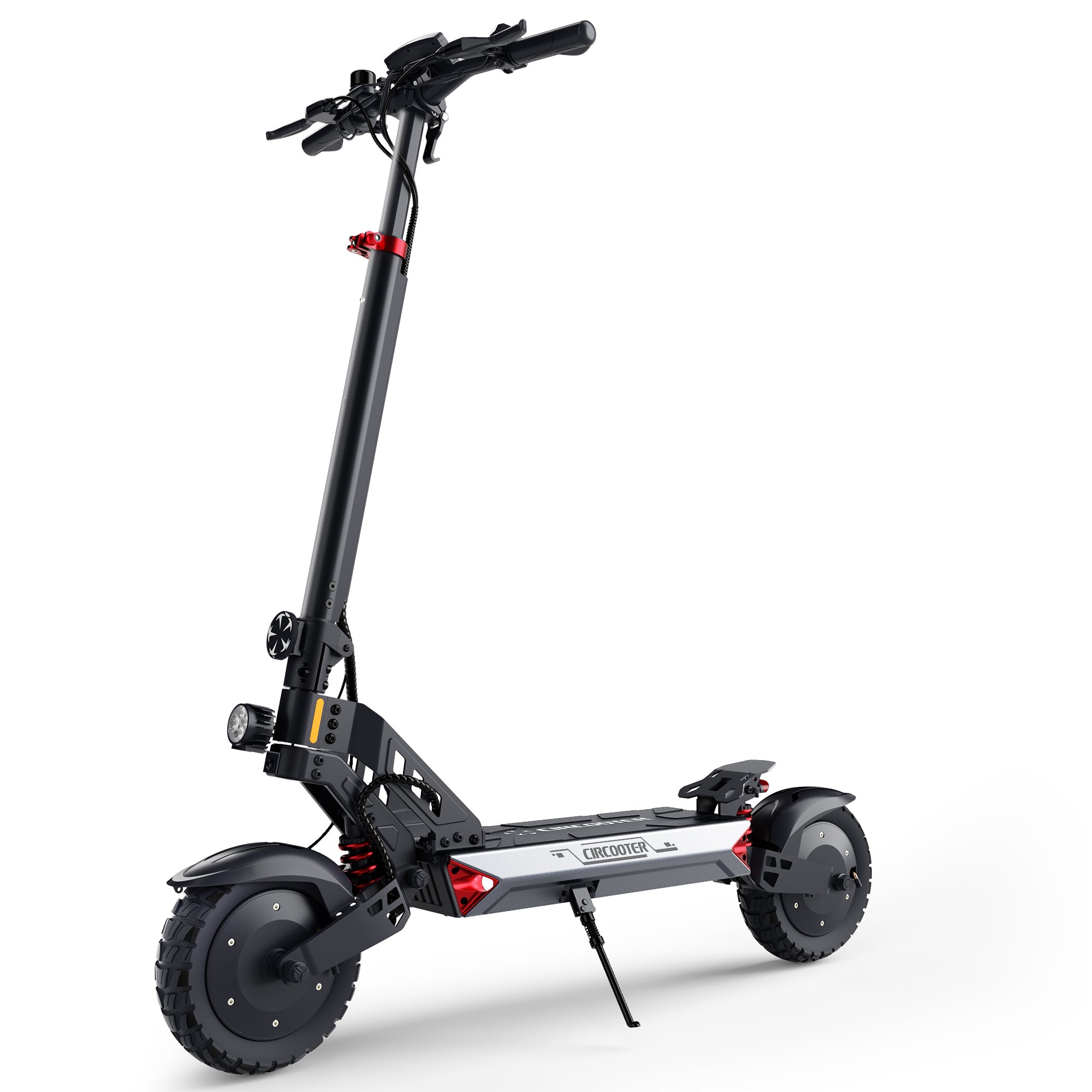
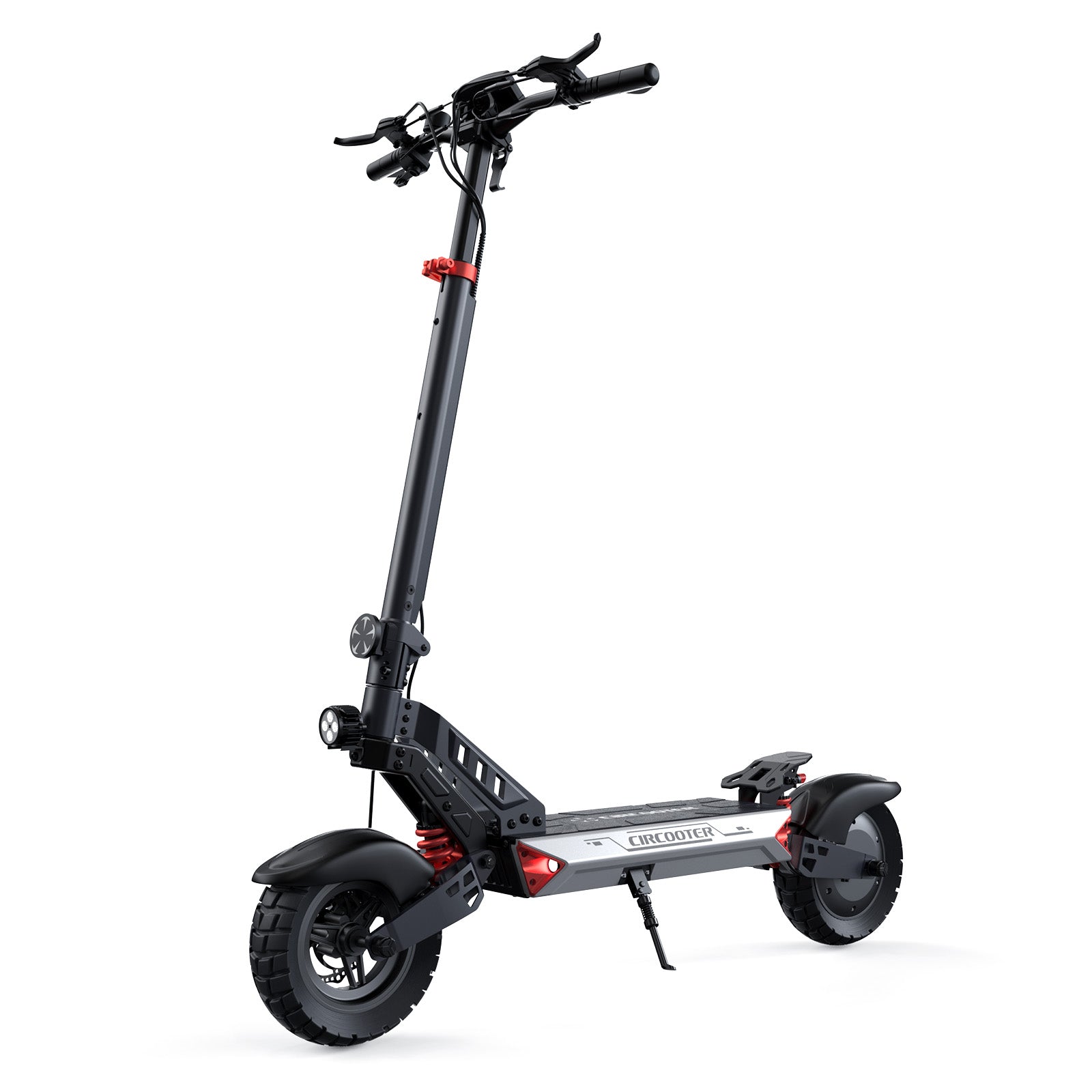
Featured in this post
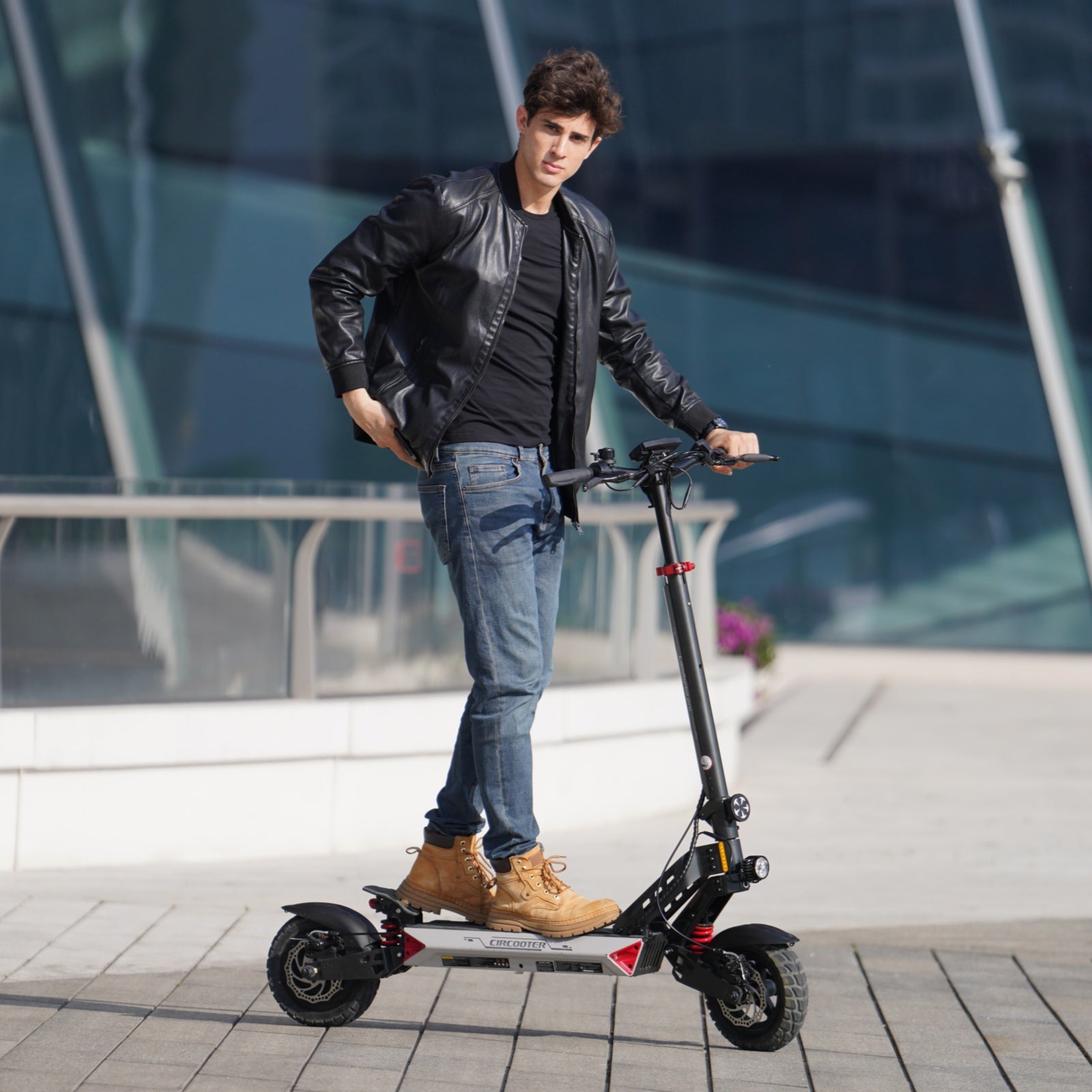

28 MPH
40 Miles
1000W
624Wh
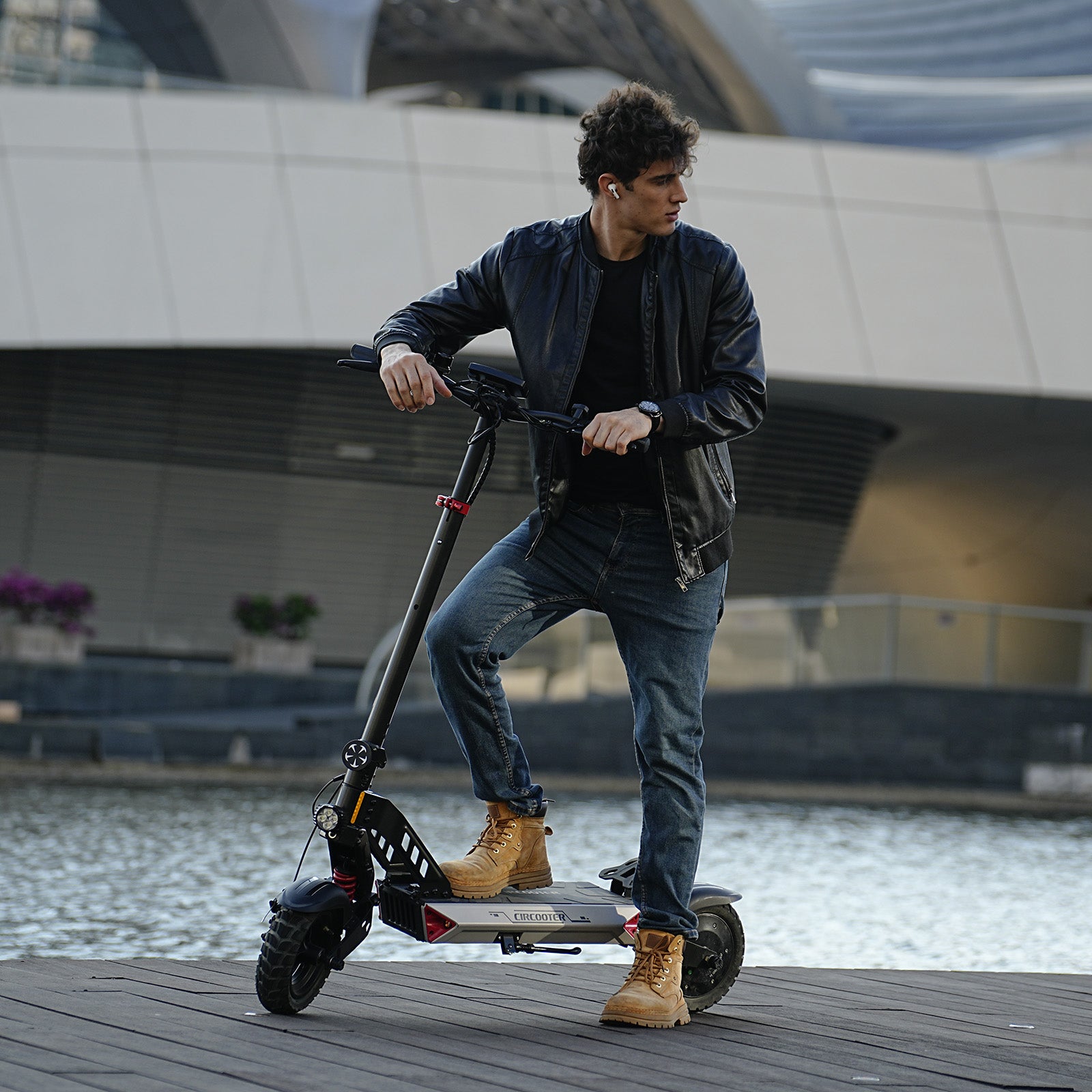
32 MPH
47 Miles
1500W
749Wh
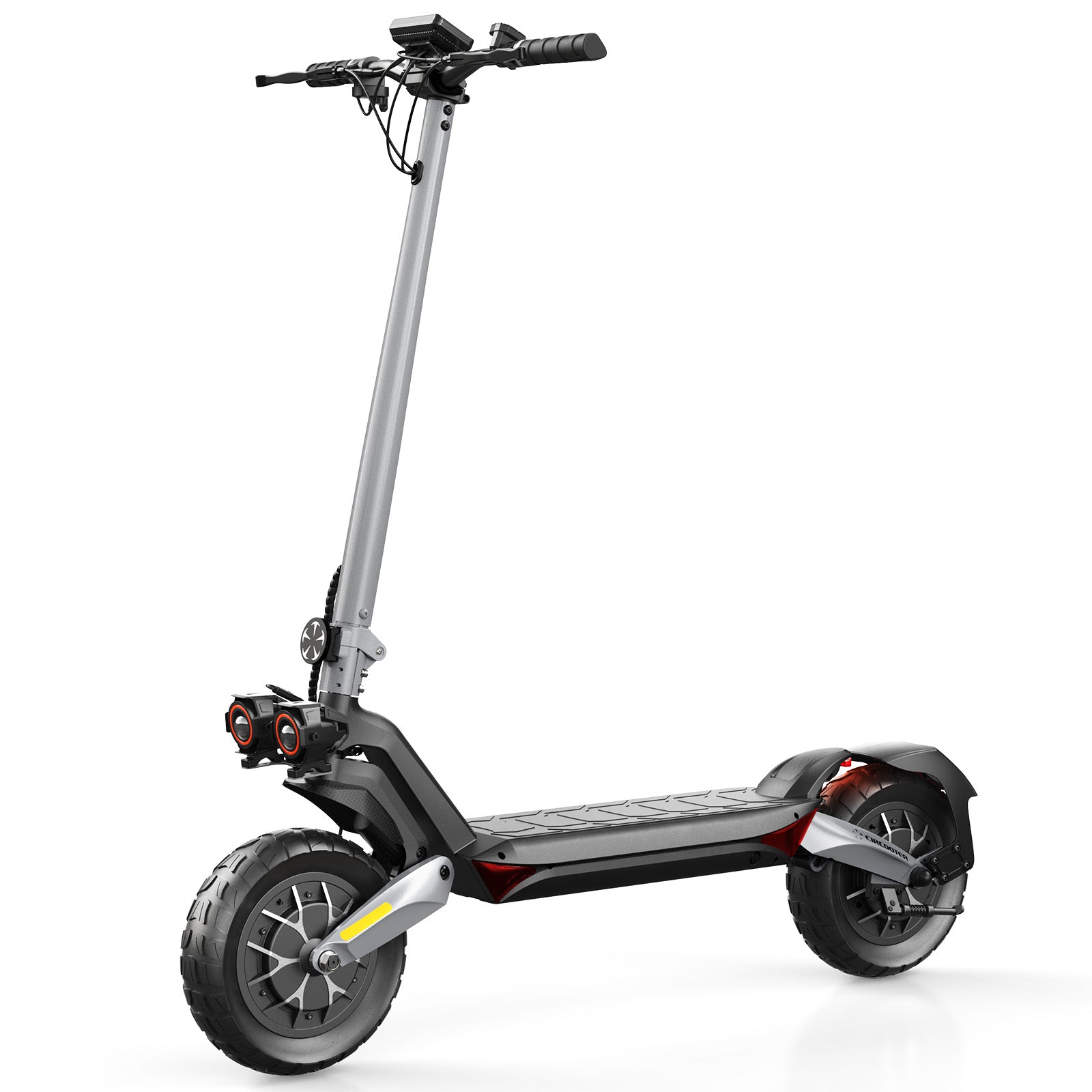

28 MPH
56 Miles
800W*2
960Wh
Introduction: Why Winter Care Matters for Electric Scooters
Cold temperatures, wet roads, road salt, and reduced daylight all make winter one of the most demanding seasons for electric scooters. Battery efficiency drops, braking distances increase, and moisture can quietly damage electrical components if proper care is ignored.
The good news is that winter maintenance doesn’t require complicated tools or expensive upgrades. With the right daily habits and storage methods, your electric scooter can remain safe, reliable, and efficient throughout the cold months.
This guide focuses on the most important winter maintenance areas: battery protection, tire safety, braking performance, waterproofing, cleaning, and proper storage.
1. Battery Care in Winter: Protecting Performance & Lifespan
Cold weather has the greatest impact on lithium batteries. As temperatures drop, internal resistance increases and usable capacity decreases. This is why winter range is naturally shorter.
Essential Winter Battery Rules
-
Never charge a frozen battery
Always allow the battery to warm to room temperature for 30–60 minutes before charging. -
Store the battery indoors whenever possible
Extended exposure to freezing temperatures permanently reduces capacity. -
Avoid deep discharge in winter
Try to keep charge levels above 20% during daily use. -
Expect temporary range loss
This is normal and recovers when temperatures rise.
If your scooter allows battery removal, storing the battery indoors after each ride is one of the best winter protection habits you can adopt.
2. Tire Safety & Traction on Cold Roads
Winter surfaces reduce grip dramatically. Wet pavement, fallen leaves, frost, sand, and invisible ice all increase the risk of sliding.
Tire Safety Checklist
- Check tire pressure weekly (cold air lowers pressure quickly)
- Inspect tread depth regularly for proper water displacement
- Reduce riding speed in cold or wet conditions
Avoid metal surfaces such as manhole covers, painted road markings, and bridges—they freeze first and become extremely slippery.
3. Braking Performance in Cold & Wet Conditions
Brakes work harder in winter and wear faster due to moisture and road debris.
What to Inspect Regularly
- Brake pad thickness and wear pattern
- Smooth brake cable or hydraulic line movement
- Firm, predictable braking response before each ride
Road salt and moisture accelerate corrosion, so keeping braking components clean is critical for safety.
4. Waterproofing & Moisture Protection
Even water-resistant scooters are not designed for constant winter moisture exposure. Over time, water intrusion can damage connectors, controllers, and sensors.
Moisture Protection Tips
- Avoid riding through deep puddles, slush, or snowbanks
- Dry all exposed surfaces after wet rides
- Keep charging ports clean and fully dry before plugging in
- Apply light anti-rust spray to exposed metal bolts if needed
Daily drying is simple but extremely effective at preventing long-term electrical issues.
5. Winter Cleaning: Preventing Salt & Corrosion Damage
Road salt is one of the most corrosive elements your scooter will encounter.
Safe Winter Cleaning Method
- Use a damp cloth instead of direct high-pressure water
- Wipe the deck, wheels, frame joints, and brake areas
- Dry immediately after cleaning
- Never spray water directly at motor hubs or controller housings
A short wipe-down after wet rides can dramatically extend the lifespan of both mechanical and electrical components.

6. Winter Riding Habits That Protect Your Scooter
How you ride in winter affects wear just as much as maintenance.
- Accelerate gently to protect the motor and drivetrain
- Increase following distance for safer braking
- Avoid sudden turns on wet pavement
- Ride the first few minutes gently to warm internal components
- Shorten ride duration during extreme cold whenever possible
Smooth riding reduces stress on batteries, bearings, and braking systems.
7. Proper Winter Storage: Daily vs Long-Term
Daily Storage (Active Winter Riding)
- Store indoors whenever possible
- Keep battery above 30%
- Avoid freezing garages
Long-Term Storage (Several Weeks or More)
- Fully clean before storage
- Store battery at 50–70% charge
- Keep in a dry, temperature-stable room
- Recharge once every 4–6 weeks
Correct winter storage prevents capacity loss, corrosion, and electronic degradation.
Final Thoughts: Winter Riding Starts With Smart Maintenance
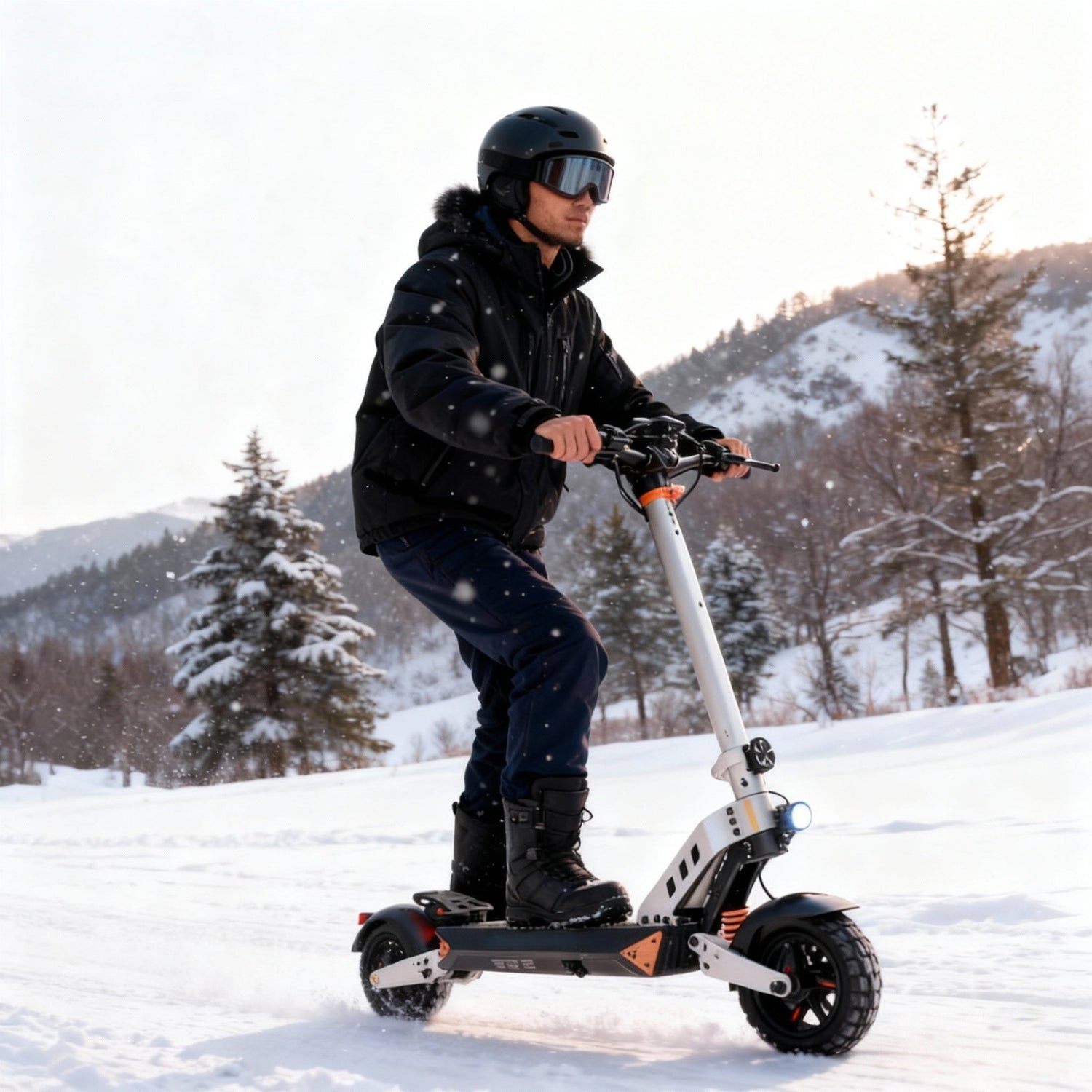
Winter doesn’t have to end your electric scooter season. With proper battery protection, regular cleaning, careful braking checks, and smart storage, your scooter can remain reliable and safe throughout the coldest months. Good winter maintenance isn’t just about performance—it’s about protecting your investment and extending the life of your machine.
Circooter — Keep Exploring the World. Even in Winter.






Leave a comment
All comments are moderated before being published.
This site is protected by hCaptcha and the hCaptcha Privacy Policy and Terms of Service apply.