
Summer Is Hard on Batteries
Heat is one of the biggest environmental threats to lithium-ion scooter batteries. Summer off-road riding exposes the battery to heat from several directions at once: hot air, direct sunlight on the scooter body, and internal heat from the motor working harder on climbs, gravel, sand, and rough terrain.
Cold weather can temporarily reduce battery output, but sustained heat can cause longer-term battery wear. Once battery capacity is lost from repeated heat exposure, it usually does not fully return.
The good news is that most summer battery damage is preventable. The habits that protect your scooter battery are simple: charge at the right time, store the scooter properly, avoid direct sun, and plan rides with a realistic range buffer.
How Heat Affects Lithium-Ion Batteries
Lithium-ion batteries work by moving lithium ions between internal materials during charging and riding. High temperatures speed up chemical wear inside the battery.
Heat can cause the electrolyte inside the cells to break down faster. It can also increase internal resistance, which makes the battery less efficient over time. The materials that store energy inside the battery can degrade faster too, which means the battery may eventually hold less charge.
The Battery Management System, or BMS, helps protect the battery, but summer heat makes it work harder. CIRCOOTER’s guide on factors affecting electric scooter battery life explains that temperature, riding style, rider weight, terrain, and charging habits all affect battery health.
The practical result is simple: a scooter battery that is regularly exposed to heat without proper care may show reduced range sooner. A battery that is stored, charged, and ridden carefully can keep stronger performance for longer.
Charge Smarter in Summer

Charging habits have a major effect on summer battery health. The most important rule is to let the scooter cool before charging after a hot ride.
After an off-road session, the battery is already warm from the weather and from motor demand. Charging immediately adds more heat stress. Wait about 20–30 minutes before plugging it in, especially after long rides, hill climbs, or hot trail sessions.
CIRCOOTER’s guide on how to charge an electric scooter recommends charging in a cool, shady place during summer. A dry indoor space with good airflow is usually best.
Avoid charging in direct sunlight, inside a hot car, or in a closed garage that traps heat. Use the original charger, keep the charging port dry, and unplug the scooter once it reaches full charge. Leaving a full battery plugged in for long periods during hot weather adds unnecessary stress.
For everyday use, try to keep the battery between about 30% and 80%. Charge to 100% only when you truly need maximum range for a longer ride.
Store the Scooter Away From Heat
A lot of summer battery damage happens while the scooter is parked, not while it is being ridden.
Never leave the scooter in a parked car during summer. Car interiors can get extremely hot and may damage the battery quickly. A trunk or back seat in direct sun is one of the worst places to leave an electric scooter.
If you are between trail sessions, park in shade. At home, store the scooter indoors, in a cool garage, or in a basement if available. CIRCOOTER’s electric scooter storage guide recommends cool, dry storage and keeping the battery around 40–60% charge if the scooter will sit unused for a while.
If you are not riding for more than two weeks, do not store the battery fully charged or fully empty. A partial charge is better for long-term battery health.
Summer Battery Checklist for Off-Road Riders
Use this quick routine before and after hot-weather rides:
-
Before riding: Check battery level and plan for reduced range on hot trail days.
-
After riding: Park in shade as soon as possible.
-
Before charging: Let the scooter cool for 20–30 minutes.
-
While charging: Charge indoors or in a cool, ventilated space.
-
After charging: Unplug when full.
-
Between rides: Store away from direct sun and never inside a hot car.
CIRCOOTER’s essential electric scooter maintenance guide is also useful because battery care works best alongside regular tire, brake, and hardware checks.
Expect Less Range in Extreme Heat
Hot weather can reduce electric scooter range. On typical warm days, the difference may be small. On very hot days above 90-95°F, riders may notice around 5-10% less range compared with moderate weather.
Off-road riding can reduce range even more because trails demand more power than flat pavement. Loose dirt, sand, gravel, hills, and stop-start riding all make the motor work harder.
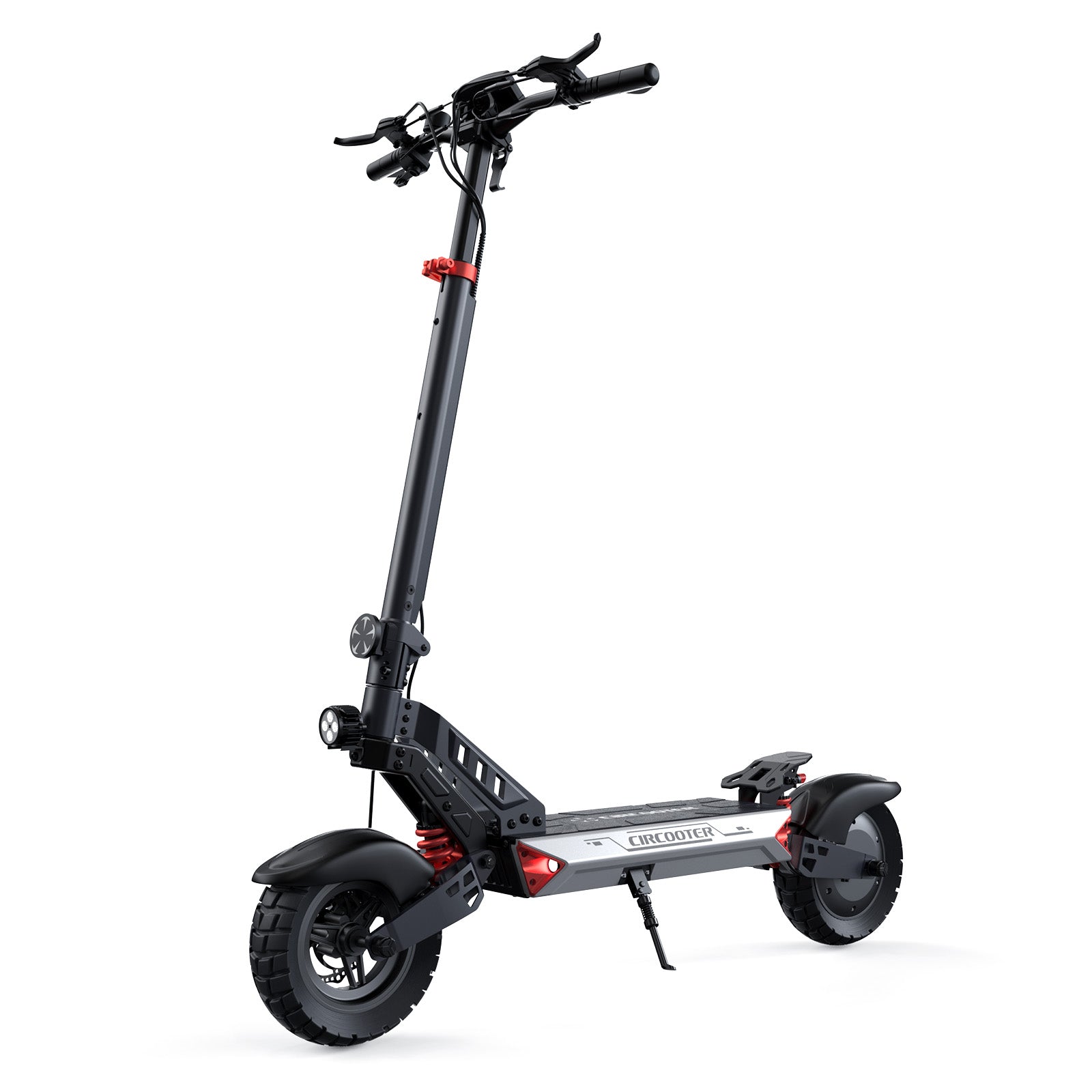
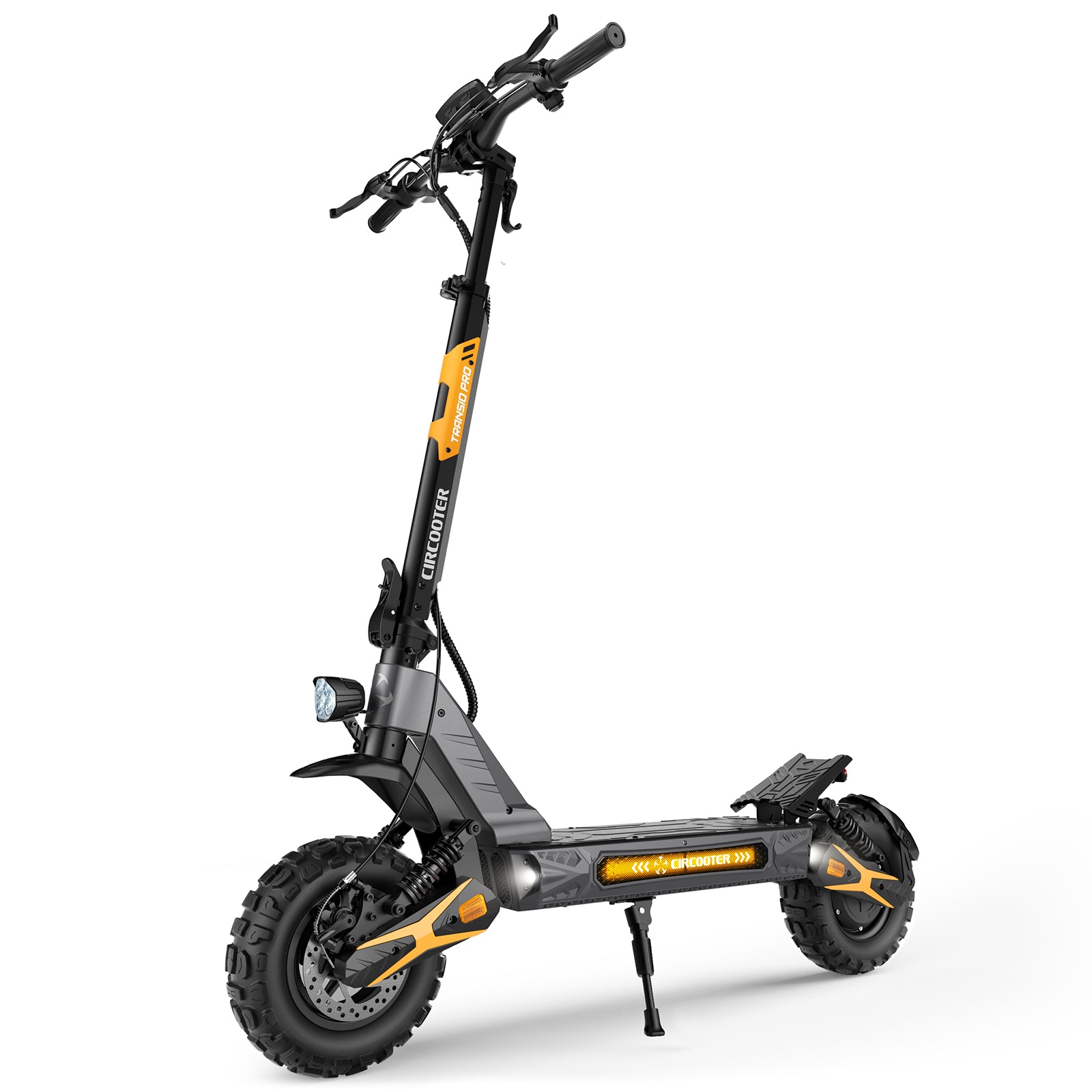
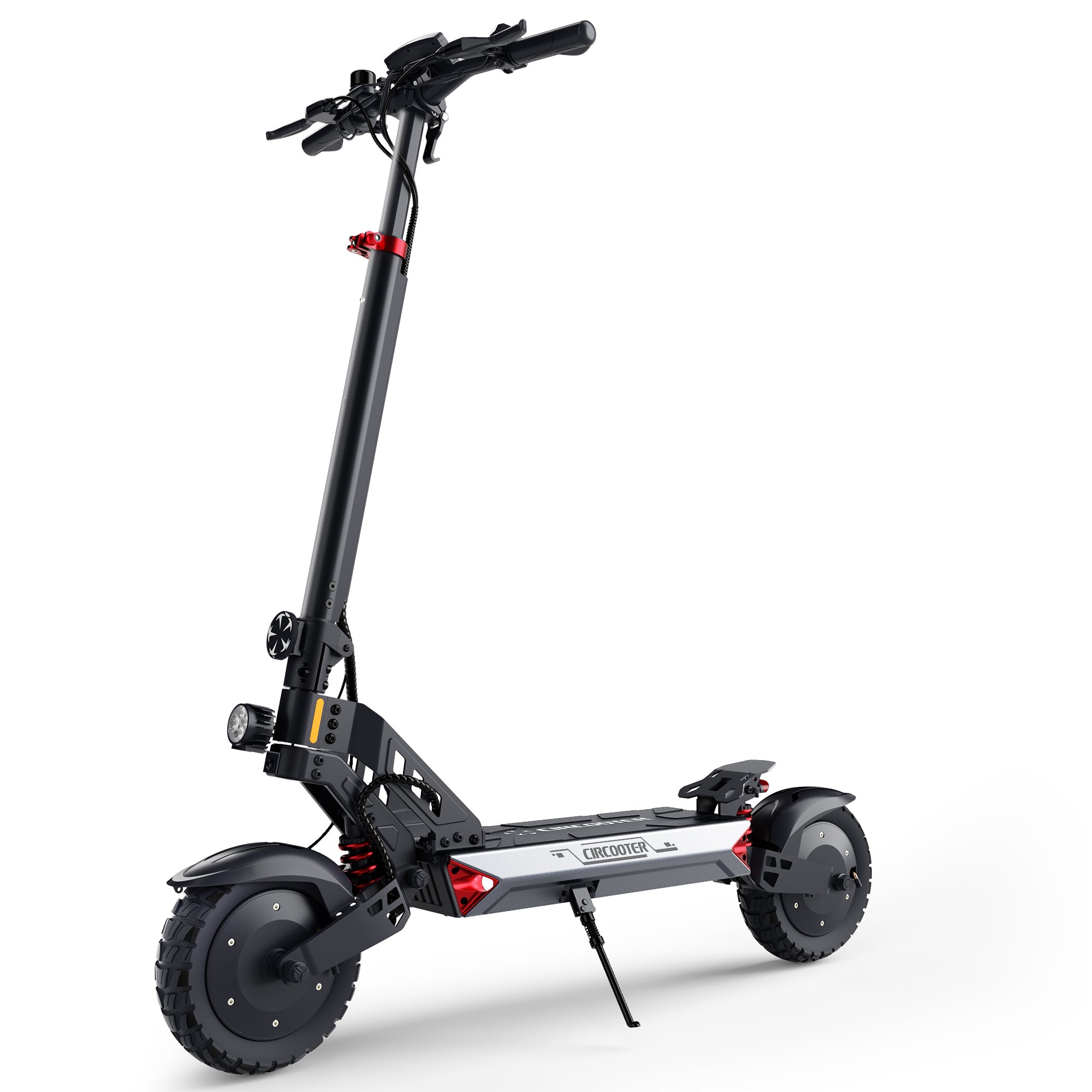
That is why range planning matters. The Landturbo Pro lists a 47-mile max range, while the Raptor Pro lists a 56-mile max range. Those larger range buffers can help on summer trail rides, but riders should still plan conservatively.
A good rule for hot off-road riding is to plan around 60-65% of rated range, especially on demanding trails. Set your turnaround point before the battery gets low, and consider using ECO mode once the battery drops below 50%.
Match the Scooter to Your Summer Routes

Battery care is easier when the scooter fits the terrain. A scooter that is constantly pushed near its limit will generate more heat and use more battery.
If your summer rides include steep climbs, rough trails, loose dirt, or longer distances, choose a model with enough motor power and battery capacity. CIRCOOTER’s electric scooter collection includes options for entry-level, adventure, and higher-performance off-road riding.
Do not choose only by top speed. For summer battery health, range buffer, battery size, motor efficiency, tire condition, and riding style matter more.
Protect the Battery Now, Ride Further Later
Summer battery care is not about being overly cautious. It is about protecting the part of the scooter that decides range, performance, and long-term reliability.
The best habits are simple: let the scooter cool before charging, charge in a cool place, unplug when full, store away from direct sun, avoid hot cars, and plan rides with a range buffer.
Done consistently, these habits can help your scooter hold stronger range for more seasons. Ignore them, and summer heat may quietly take a bite out of battery life before you notice.
What Off-Road Riders Usually Ask
How much does heat reduce scooter range?
On very hot days above 90-95°F, expect up to 5-10% less range. Off-road terrain can reduce range even more.
Can I charge outside in summer?
Only if the area is shaded, dry, and ventilated. Indoor charging at room temperature is safer.
Is summer range loss permanent?
Temporary range loss from heat may improve in cooler weather. Capacity loss from repeated heat damage may not fully recover.
What is the worst summer battery mistake?
Leaving the scooter in a hot parked car. That can expose the battery to damaging temperatures.
Should I charge to 100% before a long ride?
Yes, if you need maximum range. For normal rides, staying around 30-80% is better for long-term battery health.

Leave a comment
All comments are moderated before being published.
This site is protected by hCaptcha and the hCaptcha Privacy Policy and Terms of Service apply.