

Plan Your Range Like Your Return Depends on It, Because It Does
Off-road scooter range planning for remote routes starts with one principle: your real-world range on a demanding trail is significantly lower than the number on the spec sheet, and the consequences of getting it wrong are much more serious than they are in a city. The planning framework is straightforward — calculate a realistic range, identify your turnaround point before you leave, account for conditions that increase battery consumption, and build in a safety buffer you can actually rely on. Get those four things right, and remote trail riding becomes something you can do with confidence rather than anxiety.
Why Off-Road Range Is Not the Same as Rated Range

Every Circooter model lists a rated range under optimal conditions. Conditions such as flat terrain, moderate speed, lighter rider weight, and mild temperature almost never describe a remote trail ride. Here's what actually reduces your real-world range off-road:
Elevation gain - sustained climbing is the single biggest battery drain factor; a trail with 500 feet of elevation gain will consume noticeably more battery than the equivalent flat distance.
Loose or soft surfaces - sand, gravel, and loose dirt create more rolling resistance than pavement, drawing more current per mile from the motor.
Speed variation - off-road riding involves constant acceleration and deceleration rather than steady cruising, which is less efficient than maintaining a consistent pace.
Total rider and gear weight - heavier total loads require more motor effort on every incline and acceleration.
Temperature - riding below 50°F reduces battery output by 10-20%; hot conditions above 90°F reduce efficiency and accelerate battery degradation during the ride.
Dual motor usage - models like the Raptor Pro use significantly more battery when both motors are engaged simultaneously
A practical working rule: use 60-65% of your rated range as your real-world planning figure for mixed off-road terrain. For demanding terrain with significant elevation, use 55% or lower.
The Range Planning Formula for Remote Routes
Good off-road range planning isn't complicated, but it requires honest inputs.
Step 1: Calculate your adjusted range.
Take the model's rated range and multiply by your terrain adjustment factor (0.60-0.65 for typical off-road; 0.50-0.55 for demanding elevation or loose surfaces).
Step 2: Set your turnaround at 50% battery.
Not 30%, not 20%, but 50%. The return leg of any out-and-back trail is never easier than the outbound leg. If the outbound leg includes most of the climbing, the return may actually be easier — but you can't count on that until you know the trail. The 50% rule guarantees you have the same battery margin going back as you had going out.
Step 3: Add a safety buffer.
On remote routes, add an additional 10-15% buffer on top of the 50% turnaround. This accounts for unexpected detours, getting off the ideal line on technical terrain, and any conditions that were worse than anticipated.
Example: A Landturbo Ultra with a 60-mile rated range. Off-road adjustment (60%): 36 miles of realistic range. Turnaround point: 50% of 36 miles = 18 miles from your starting point. With a 10% safety buffer, plan your turnaround at 16-17 miles. That's your maximum outbound distance for this ride.
Terrain-Specific Range Adjustments for U.S. Trails
Different trail environments in the U.S. affect your battery differently. These general adjustments help calibrate your planning:
-
Desert trails (Southwest — Utah, Arizona, Nevada): Sand and heat both reduce range; plan for 55% of rated range as a ceiling. Avoid mid-day summer riding because heat above 90°F reduces battery output and accelerates degradation.
-
Mountain trails (Rockies, Sierra Nevada, Cascades): Elevation gain is the dominant factor; on trails with 1,000+ feet of climbing, plan for 50% or lower. The descent recovers some range through reduced motor demand, but not proportionally.
-
Coastal and forest trails (Pacific Northwest, Mid-Atlantic): Often wetter and muddier; loose wet soil increases rolling resistance and reduces traction efficiency. Plan for 60%
-
High-altitude trails: Cooler temperatures and thinner air both affect motor and battery performance; add an additional 5% reduction for rides above 8,000 feet
For trails in California specifically, Circooter's 2026 California off-road trail guide includes range notes for specific trail conditions. It could be a useful reference before heading to trails like the Fullerton Loop or Crystal Springs.
Matching Your Scooter to Remote Route Demands

Range planning starts before you buy. Choosing a scooter with the right battery capacity for your intended routes makes the math work in your favor from the start.
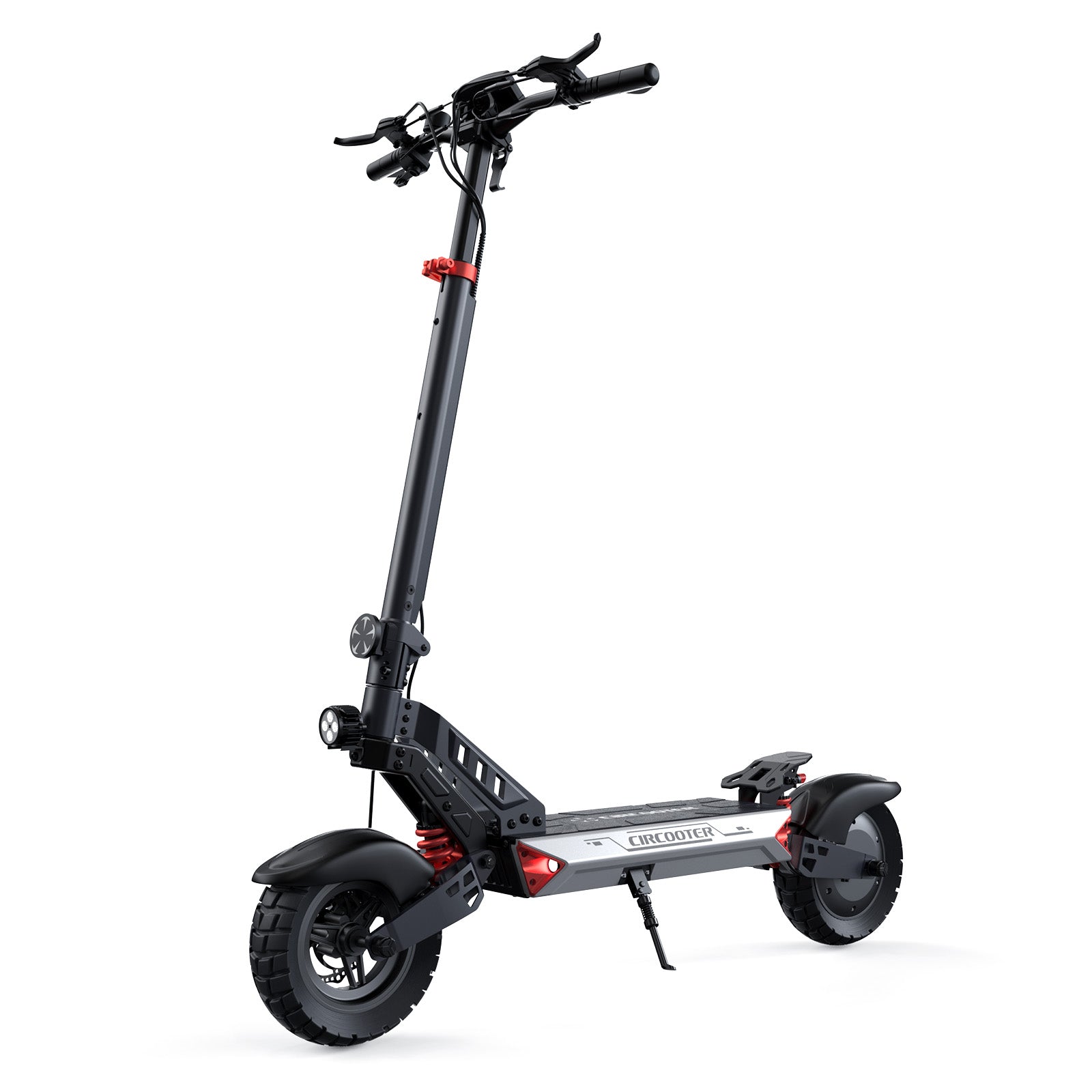
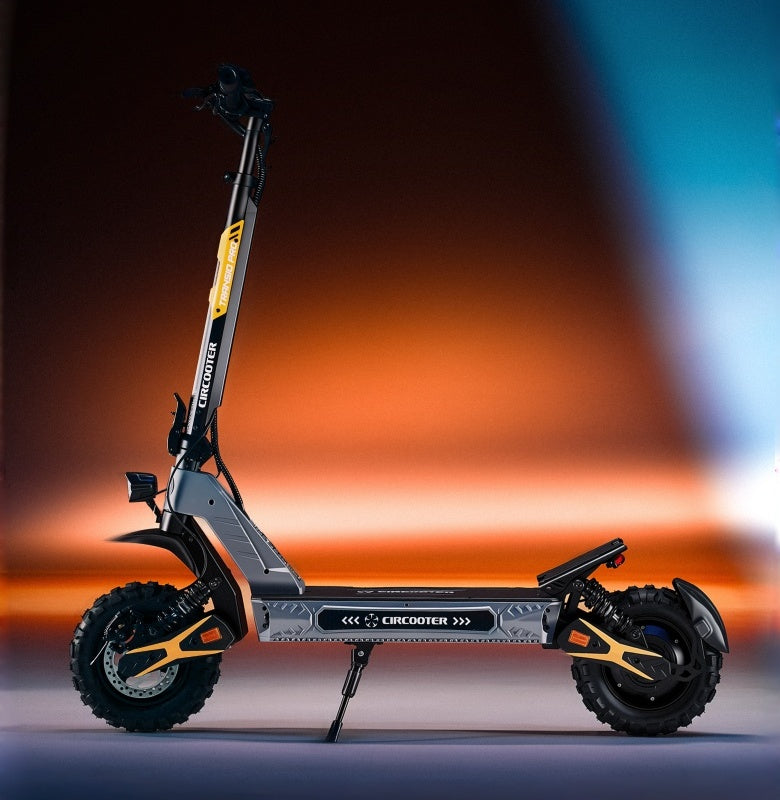
The Landturbo Pro with its 47-mile rated range (planning estimate: 20–22 miles off-road) covers most moderate trail loops within a single charge for average rider weights. Its single high-efficiency motor preserves range better than dual-motor alternatives on terrain where traction isn't a constant challenge — as Circooter's 1600W vs. 2400W vs. Long Range model comparison explains, single motors minimize energy waste when maximum traction isn't needed.
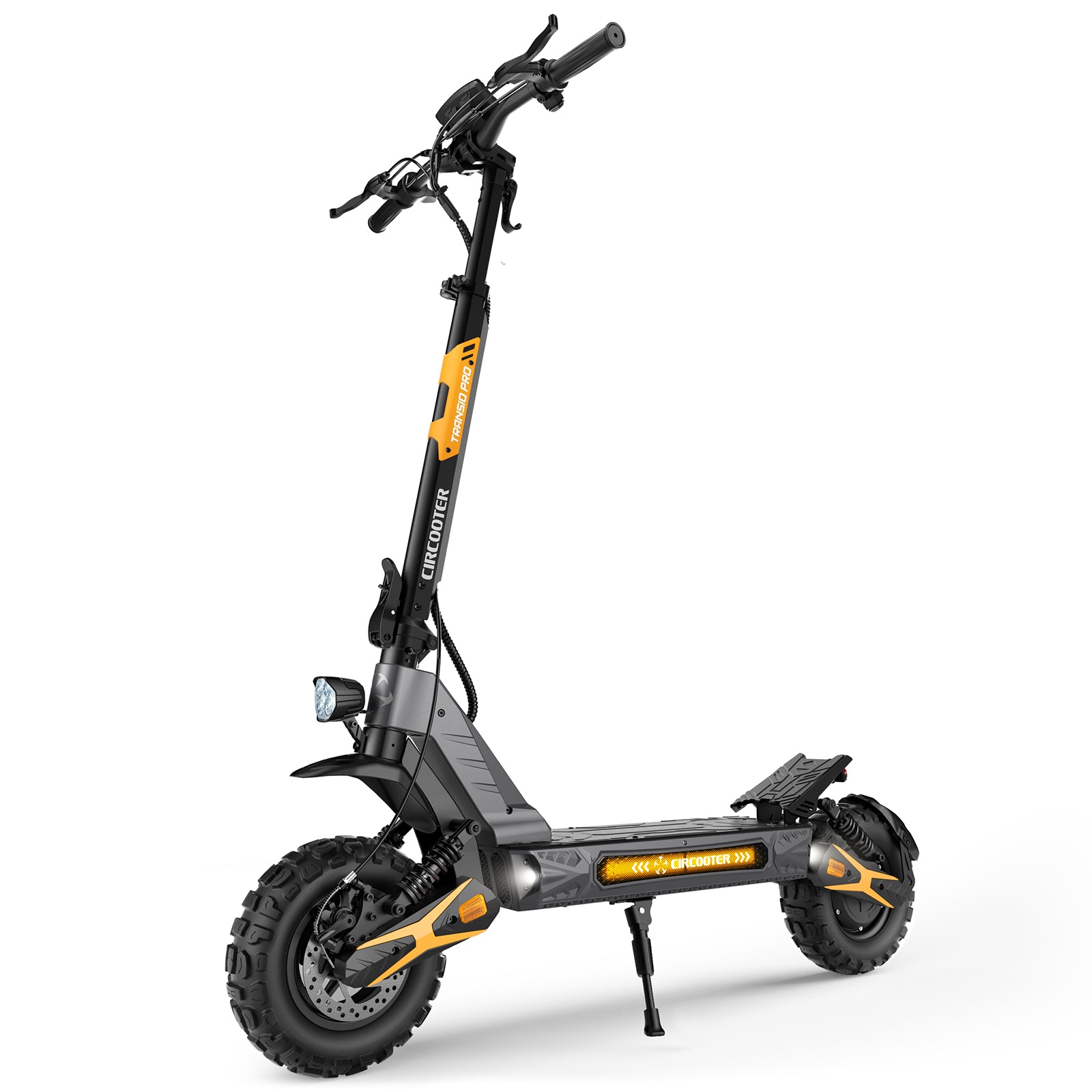
The Raptor Pro (56-mile rated range; 30–33 miles off-road planning estimate) trades some of that range efficiency for dual-motor traction — the right choice when your remote trail includes loose surfaces or steep grades where traction matters more than efficiency.
What to Do When Range Is Tight Mid-Trail
Even with good planning, conditions can be worse than expected. These adjustments extend the remaining range when you're mid-trail and closer to the turnaround than planned:
Switch to ECO mode immediately - this limits motor power draw and extends range meaningfully on the return leg.
Reduce speed - dropping from 20 mph to 15 mph reduces battery consumption more than most riders expect
Minimize full stops on inclines - restarting from zero on a slope draws peak motor current; maintain momentum through technical sections where safe.
Increase your turnaround distance - if conditions have been harder than planned and you're at 45% battery with 8 miles covered instead of your planned 11, turn around at 8 miles; don't push to the original turnaround point.
Plan Your Range Like Your Adventure Depends on It
Remote trail riding is where the most rewarding off-road experiences happen — and where poor range planning creates the most serious problems. The riders who explore backcountry routes confidently are the ones who do the battery math before they leave, set conservative turnaround points, and build genuine safety buffers rather than hoping conditions cooperate.
Plan the range as your return depends on it. Because it does.
What Off-Road Riders Want to Know
How much less range should I expect on off-road trails vs. the rated range?
Plan for 55-65% of the rated range on typical off-road terrain; for demanding trails with significant elevation gain or loose surfaces, use 50-55% as your planning figure.
Why should I set my turnaround at 50% battery instead of 30% or 20%?
The return leg is never guaranteed to be easier than the outbound leg. Unexpected terrain, conditions, or detours can increase return consumption; the 50% rule ensures you have the same safety margin going back.
Does elevation gain affect battery range on the return trip?
Descents reduce motor demand and conserve some battery compared to climbing, but the energy recovery is modest. So don't calculate a significant range gain from descending, as real-world recovery is much less than the climbing cost.
How does temperature affect my off-road range planning?
Cold temperatures below 50°F reduce battery output by 10-20%; heat above 90°F reduces efficiency and accelerates battery stress during riding. Both require reducing your planning range estimate accordingly.
What's the most important thing to check before a remote trail ride?
The battery charge level. Start remote rides at 100% charge whenever possible; a partial charge significantly reduces your safety margin and limits how far you can responsibly venture from your starting point.



Leave a comment
All comments are moderated before being published.
This site is protected by hCaptcha and the hCaptcha Privacy Policy and Terms of Service apply.