
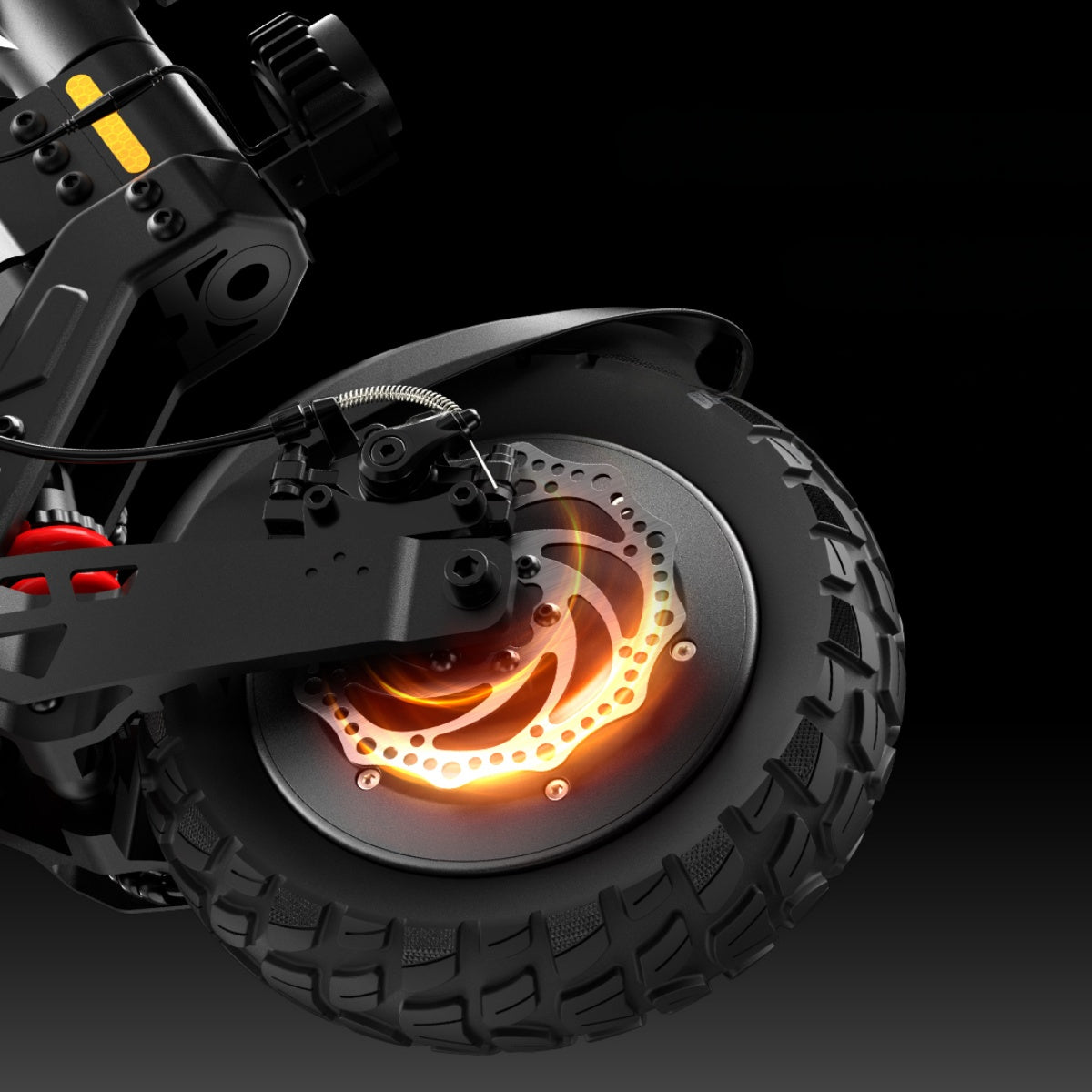
Most Motor Noise Is Normal, But Not All of It
Off-road electric scooter motors are not silent, and they were never designed to be. Under normal riding conditions, you'll hear a consistent low hum from the motor, increased pitch during acceleration, and some variation in sound as load changes on inclines or rough terrain. That's all expected. What isn't normal and what this guide helps you identify are the sounds that signal something actually needs attention: grinding, clicking, sudden changes in tone, or noises that appear out of nowhere and don't go away.
Knowing the difference saves you from unnecessary worry about normal operation and from missing real warning signs before they become expensive repairs.
Normal Off-Road Motor Sounds vs. Warning Signs
What's Normal
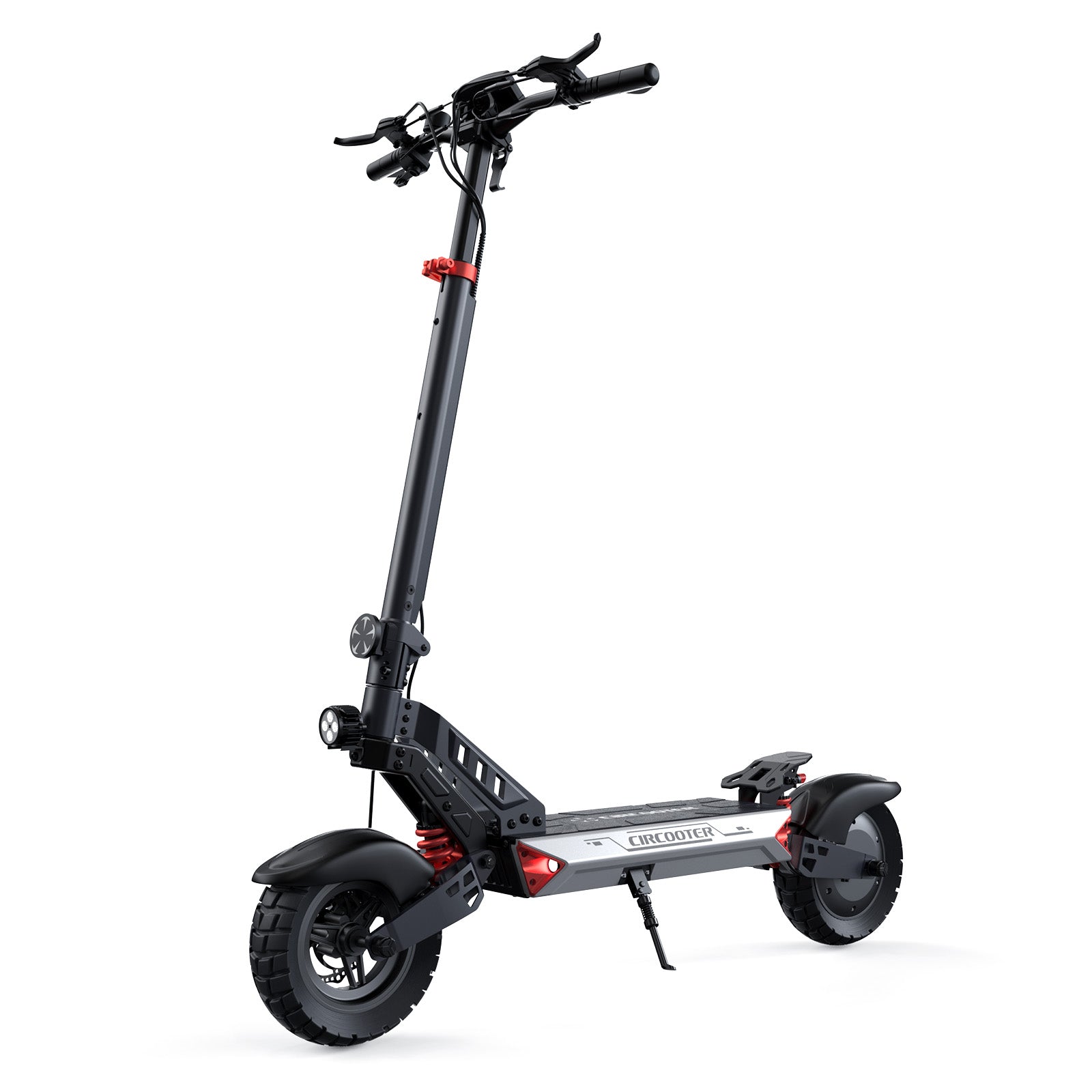
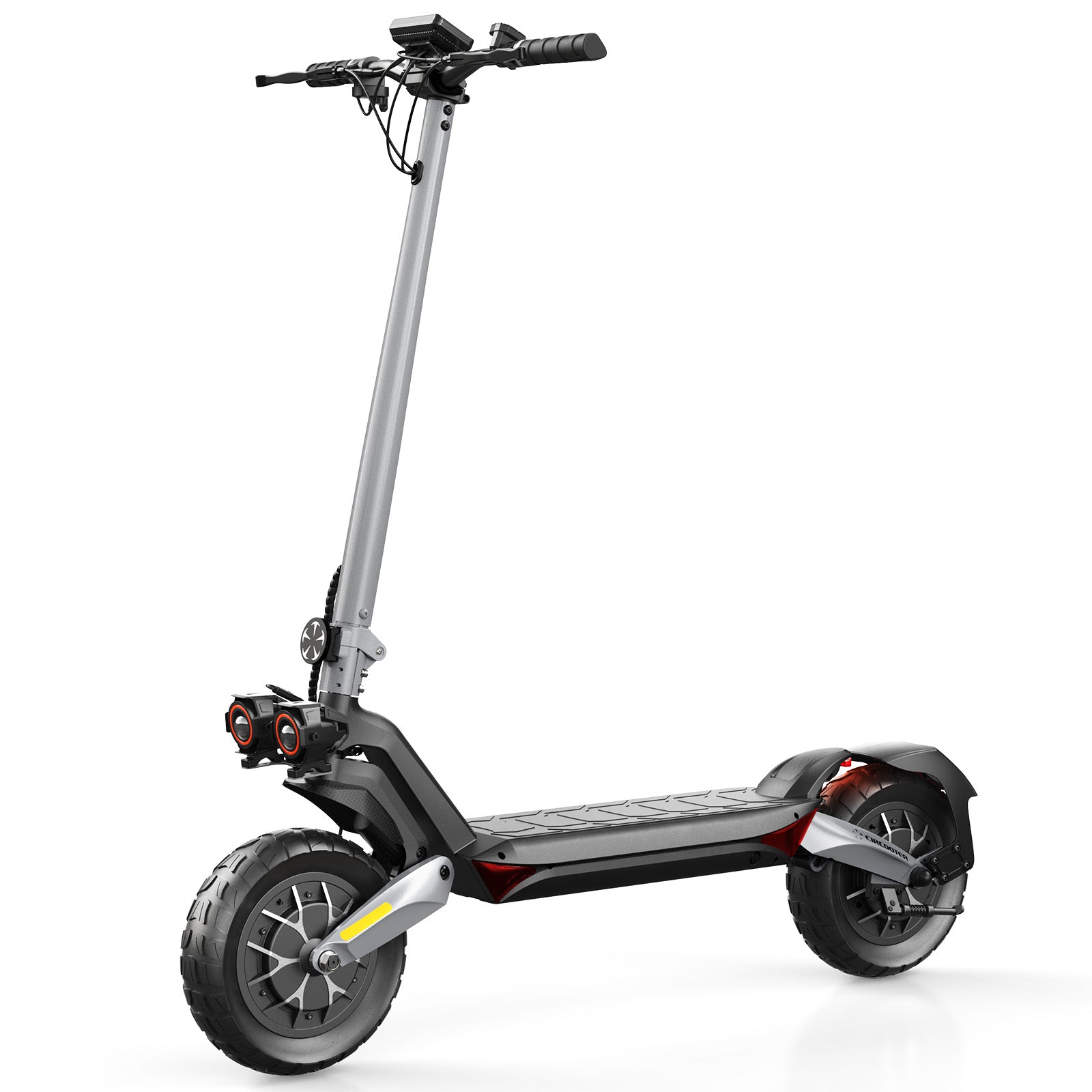
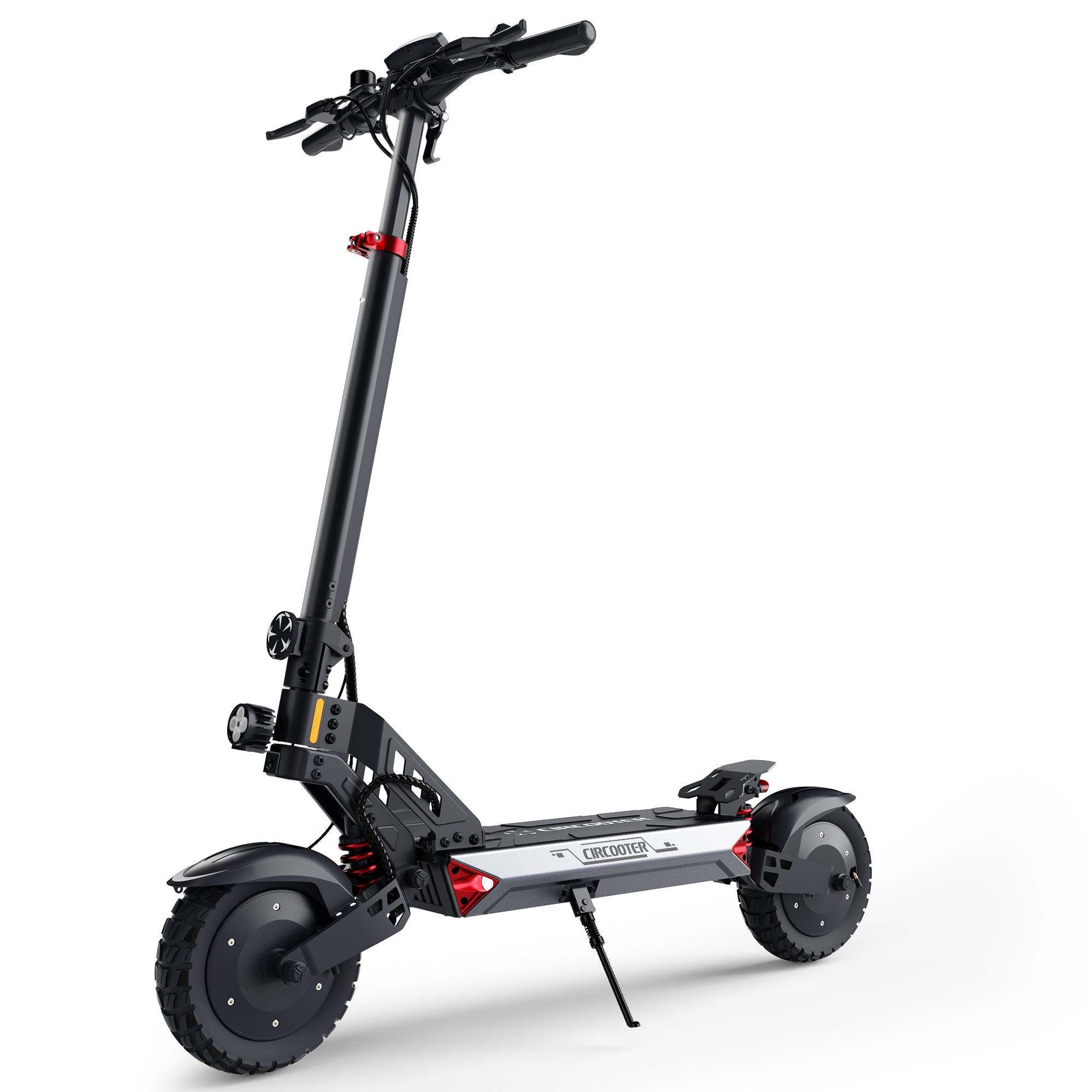
Electric scooter motors produce sound as a natural byproduct of operation. The brushless hub motors used on Circooter's off-road lineup, such as the Landturbo Pro, generate a consistent hum whose pitch rises with speed. This is the sound of the motor's electromagnetic field cycling, and it's completely normal.
Off-road riding specifically adds surface noise that riders sometimes mistake for motor issues. Gravel hitting the underside of the deck, suspension components responding to terrain, and tire tread noise on rough surfaces all contribute to the overall sound of a trail ride. These aren't motor issues; they're just what off-road riding sounds like.
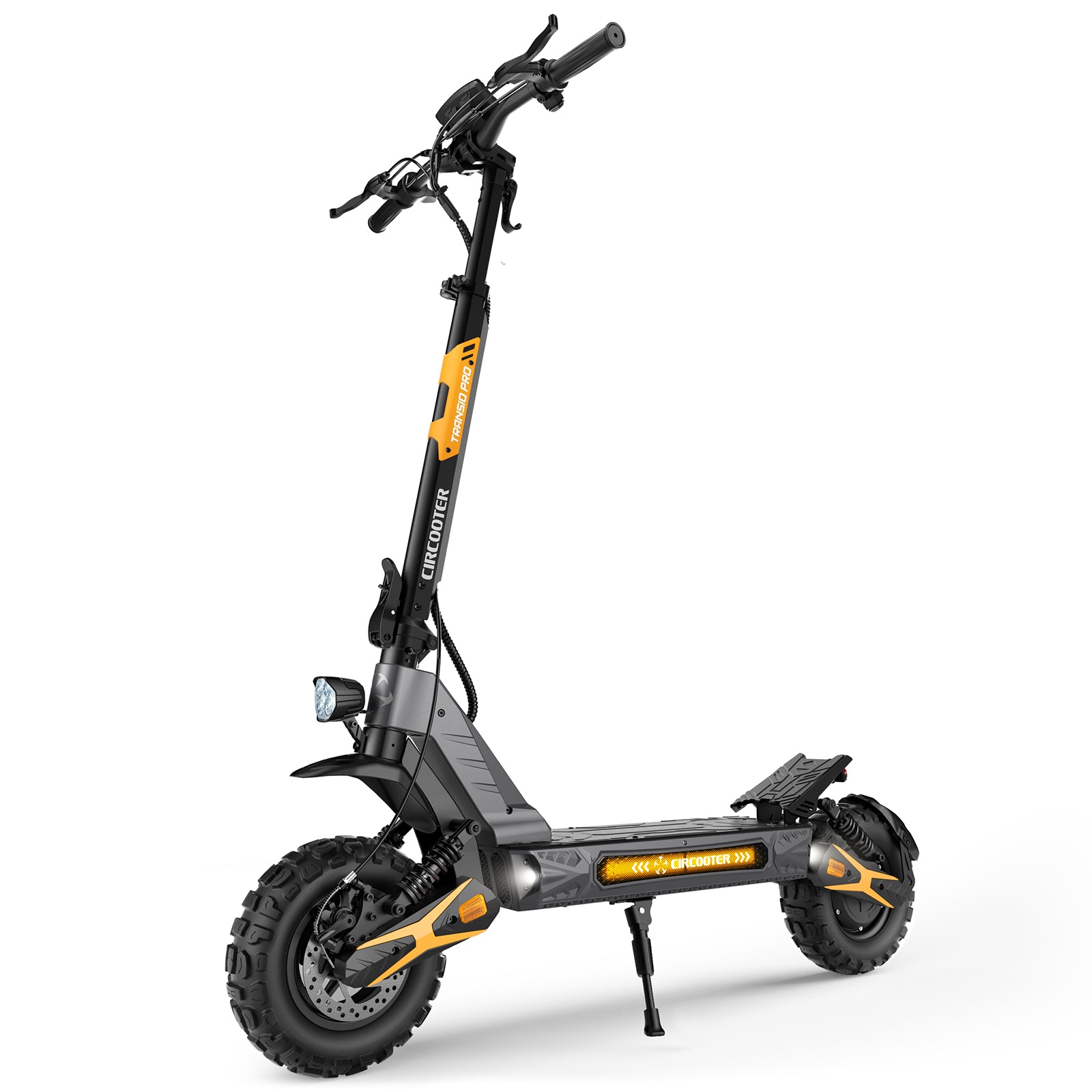
Dual-motor models like the Raptor Pro produce slightly more motor noise than single-motor models under load. Two motors generating sound simultaneously on a demanding trail section is normal, not a problem.
Warning Signs That Need Attention
These sounds are different from normal motor hum and warrant investigation:
- Grinding - a rough, mechanical grinding sound from the motor area suggests debris has entered the motor housing, a bearing is failing, or internal components are making contact they shouldn't. Don't ignore this.
- Clicking or ticking at regular intervals often indicates a loose component on the wheel or axle area, a debris strike that's embedded in the tire, or an early bearing issue. The regularity of the click, which should match wheel rotation speed, is the key identifier.
- Sudden change in motor pitch without a change in terrain or speed - if the motor suddenly sounds different on the same surface at the same speed, something in the electrical or mechanical system has changed. Stop and investigate.
- Whining that gets louder over time - a gradual increase in motor noise, particularly a high-pitched whine, often indicates bearing wear. This progresses - addressing it early is far cheaper than addressing it after the bearing fails completely.Intermittent power alongside unusual noise - this combination suggests the motor controller may be involved.
As Circooter's guide on common electric scooter problems notes, motor noise combined with inconsistent power is a signal that warrants professional assessment rather than DIY troubleshooting.
Why Off-Road Riding Changes What You Hear

Trail riding amplifies motor noise in ways that urban riding doesn't, and understanding why you hear it helps evaluate what you're actually hearing.
Higher sustained load on the motor.
Off-road terrain like loose gravel, inclines, and soft dirt creates more rolling resistance than pavement. The motor works harder per mile, which means it runs hotter and louder. A motor that sounds noticeably louder on a steep trail than on flat road is responding normally to demand; a motor that sounds loud on flat terrain when it previously didn't is worth investigating.
Vibration transmits differently.
The swing arm suspension system used across Circooter's lineup dampens the large impacts, but smaller vibrations from trail surfaces still travel through the frame. Those vibrations can cause loose bolts to rattle, loose components to create noise, and debris to shift around under the deck, all of which riders sometimes attribute to the motor when the source is actually elsewhere.
Trail debris enters components.
Sand, fine gravel, and dirt particles kicked up during off-road riding can work into wheel bearings, the space around the motor housing, and other mechanical areas. This is one of the most common sources of post-trial noise that doesn't appear during normal city riding. Regular cleaning after trail sessions, particularly around the wheel and axle areas, prevents debris accumulation from progressing to actual mechanical wear.
Circooter's electric scooter maintenance guide covers post-ride cleaning procedures in detail.
Diagnosing Where the Noise Is Actually Coming From
Before assuming a noise is motor-related, a quick diagnostic process narrows down the source:
Isolate the sound by speed.
If the noise appears only at certain speeds and disappears at others, it's likely a resonance issue with a loose component rather than a motor problem. Tighten bolts throughout the frame, stem clamp, folding collar, and handlebar clamp, then retest.
Listen for rotation-linked rhythm.
A clicking or ticking that matches wheel rotation speed (faster as you go faster, slower as you slow down) is almost always tire or bearing-related rather than motor-related. Check the tire for embedded debris and inspect the wheel bearing for play.
Check after a full stop.
Some motor sounds are only present while the motor is active. Stop, power off, and spin the wheel manually. If you hear grinding or feel resistance that wasn't there before, the bearing or debris is the likely culprit.
Compare loaded vs. unloaded.
Motor sounds that only appear under rider weight, standing on the deck, versus without weight, suggest suspension or frame flex rather than motor issues.
Simple Post-Ride Habits That Prevent Noise Issues
After every off-road session:
- Brush debris from tire treads and around the wheel axle area.
- Wipe down the motor housing area with a dry cloth to remove sand and grit.Spin each wheel manually and listen for any new grinding or resistance.
- Check all main bolts with the included hex wrench — loose hardware creates rattles that travel through the frame and sound like motor noise.
- Inspect tires for embedded objects that could cause rotation-linked clicking on the next ride.
These take under five minutes and catch the issues that, if left unaddressed, can develop into real problems, ride after ride.
When to Ride On and When to Stop
Knowing when to keep riding and when to stop and investigate is the practical skill that matters most.
Keep riding if: the sound is a consistent, stable hum that varies naturally with speed and load, appears only in specific terrain conditions, or matches what the motor has always sounded like.
Stop and investigate if: grinding appears suddenly, a clicking sound develops that wasn't there before, the motor pitch changes without a change in conditions, or power becomes inconsistent alongside the noise.
Contact support if: grinding or unusual noise persists after cleaning and bolt checks, the motor feels warm after a normal ride (not a demanding climb), or power loss accompanies any of the above. Circooter's support team and their electric scooter lifespan guide both address when a professional assessment is the right next step — motor and controller issues are the category where attempting DIY repairs can cause more damage than the original problem.
Listen to Your Scooter. It's Usually Telling You Something Useful
Your scooter's motor sound is one of the best diagnostic tools you have. Consistent, stable noise means everything is working. Changes in that baseline, like new sounds, louder sounds, irregular patterns. These are the motor's way of telling you something has changed. The riders who catch issues early and cheaply are the ones who pay attention to those changes rather than riding through them, hoping the noise disappears.
Off-road terrain makes listening more important, not less. Trail conditions add complexity to what you hear, which makes the baseline. Knowing what your specific scooter sounds like when everything is right is the most valuable thing you can establish from your very first ride.
What Scooter Riders Want to Know
Is it normal for an off-road scooter to be louder than a city scooter?
Yes. Higher motor load on trails, terrain vibration, and surface noise all contribute to a louder overall riding experience compared to smooth urban pavement.
What does grinding from the motor area mean?
Grinding typically indicates debris inside the motor housing, a failing bearing, or internal components making unintended contact — stop riding and investigate before the issue progresses.
My scooter makes a clicking sound that matches my wheel speed. Is that the motor?
Rotation-linked clicking is usually tire debris or a bearing issue rather than the motor itself; check the tire for embedded objects and inspect the wheel bearing for play or resistance.
How do I know if motor noise is serious or just normal off-road sound?
Compare it to your established baseline. A sound that's always been there and behaves consistently with speed and load is normal; a new sound that appeared suddenly or is getting progressively louder warrants investigation.
Can trail debris damage the motor?
Fine debris like sand can work into wheel bearings adjacent to the motor housing over time if not cleaned regularly; this causes gradual bearing wear that eventually produces grinding noise and reduced performance.






Leave a comment
All comments are moderated before being published.
This site is protected by hCaptcha and the hCaptcha Privacy Policy and Terms of Service apply.