

Catch It Early, Fix It Easy
Regular electric scooter maintenance helps you spot small changes before they become bigger problems. A loose bolt, softer brake lever, or slower charge can be easier to address when caught early. Ignored for weeks, these warning signs can lead to more serious repairs or an unsafe ride.
You don't need to be a mechanic. A short electric scooter safety check before each ride, plus a deeper weekly look, can catch common issues early.
Why Regular Electric Scooter Checks Matter
Preventive Electric Scooter Maintenance Means Early Detection
Preventive electric scooter maintenance means checking key parts before they fail. Regular checks can reveal changes in condition or performance while they are still easier to address.
How Small Issues Become Bigger Problems
Many electric scooter problems begin with small changes. A loose fastener can worsen with vibration, while a small puncture can gradually cause a tire to lose air. Brake components can also wear gradually, making changes in performance easy to overlook.
Fewer Unexpected Breakdowns
Routine electric scooter maintenance lets you find issues at home instead of on the roadside.
Start With a Quick Pre-Ride Electric Scooter Safety Check
Before every ride, spend two minutes on this electric scooter safety check:
Tires: Look for low pressure, cuts, or debris in the tread.
Brakes: Squeeze both levers. They should feel firm, not spongy.
Throttle: It should move smoothly and return right away.
Lights: Test the headlight, tail light, and brake light.
Loose or damaged components: Shake the handlebars gently. Nothing should rattle or shift.
Check the Electric Scooter Tires Before Small Issues Become Bigger Ones
Tires take significant wear, so check them regularly.
Tire Pressure
Low pressure can make the scooter less responsive and increase the risk of tire damage. Follow the recommended range in the tire specifications or user guide. Temperature changes can also affect pressure, so check it regularly.
Tread Wear
Look for excessive wear, flat spots, or noticeably smooth sections. Uneven tread can affect traction and handling, especially on wet surfaces. Follow the manufacturer's replacement guidance when tires are significantly worn.
Cracks, Punctures, or Unusual Wear
Sidewall cracks, bulges, or lopsided wear can point to low pressure or a wheel problem. Don't ignore repeated punctures.
How Tire Problems Affect Handling
Soft, damaged, or unevenly worn tires can change how an electric scooter feels on the road. You may notice heavier steering, pulling to one side, reduced traction, or a less stable ride. If handling changes unexpectedly, inspect the tires before continuing to ride.
Inspect the Electric Scooter Brakes for Changes in Performance

Brake changes are among the most important warning signs to catch early. Healthy brakes should feel consistent from ride to ride, so any noticeable difference matters.
Unusual Brake Sounds
Squealing or grinding from the brakes can indicate worn pads, a dirty rotor, or a misaligned caliper.
Reduced Braking Response
If the brake lever feels different, requires more travel, or stopping takes longer, the brake system may need inspection. The cause may involve worn pads, cable adjustment, hydraulic components, or the rotor.
Loose Brake Components
Check that the brake lever, caliper, and mounting bolts are secure. Spin the wheel and watch for a rubbing rotor.
Why Brake Changes Should Not Be Ignored
Brake performance can change gradually, making problems easy to overlook. A new grinding sound, unusual lever feel, or reduced stopping performance deserves attention. Have the brake system inspected before riding if performance is significantly reduced.
Look for Loose or Worn Components
Vibration slowly loosens fasteners. Once a week, check these:
Handlebar and stem: Twist the bars against the front wheel. There should be no play.
Folding mechanism: The latch should lock firmly. Any wiggle needs attention right away.
Deck and fasteners: Look for cracks and missing screws.
Fenders and attachments: A rubbing fender wears down tires fast.
Monitor the Electric Scooter Battery and Charging System
The battery is usually one of the costliest components to replace, so small warning signs matter. CIRCOOTER’s guide to electric scooter battery care covers long-term habits.
Changes in Charging Behavior
Notice if charging takes much longer, stops early, or your range suddenly drops. Our guide on electric scooter charging mistakes to avoid covers the most common ones.
Battery Connections and Charger Condition
Keep the charging port clean, dry, and free of visible damage. Check the charger and cable for frays, cracks, exposed wiring, or unusual heat marks. If damaged, stop using the charger and follow the manufacturer's guidance.
Signs That Require Further Inspection
Battery swelling, a strong smell, unusual heat, or a damaged case all call for attention. Stop riding and contact support or a technician. Don't open the pack yourself.
Pay Attention to Unusual Sounds, Vibrations, or Handling
New Rattling, Clicking, or Vibrations
These usually come from a loose bolt, a stone in the tread, uneven tire wear, or a wheel issue.
Changes in Steering or Acceleration
Pulling to one side, hesitation, or unexpected acceleration deserves attention. Note when the problem occurs, such as during braking, turning, or climbing. Then check simple areas such as the tires, fasteners, and other accessible components.
Why Changes Are Worth Checking Early
A new noise or change in handling can be the first sign that something needs attention. Catching it early may mean a simple adjustment instead of a larger repair, especially after riding on rough surfaces.
Build an Electric Scooter Maintenance Checklist
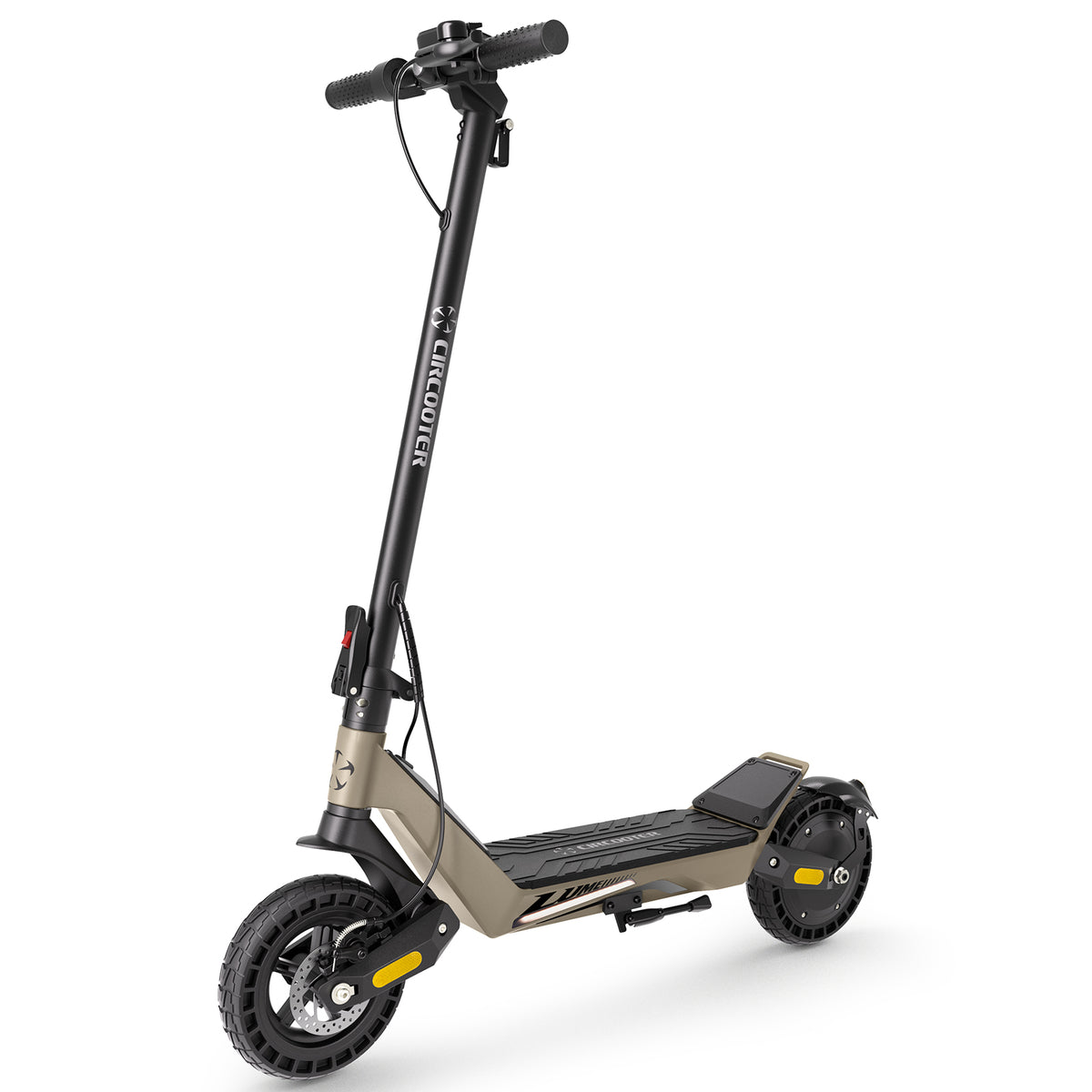
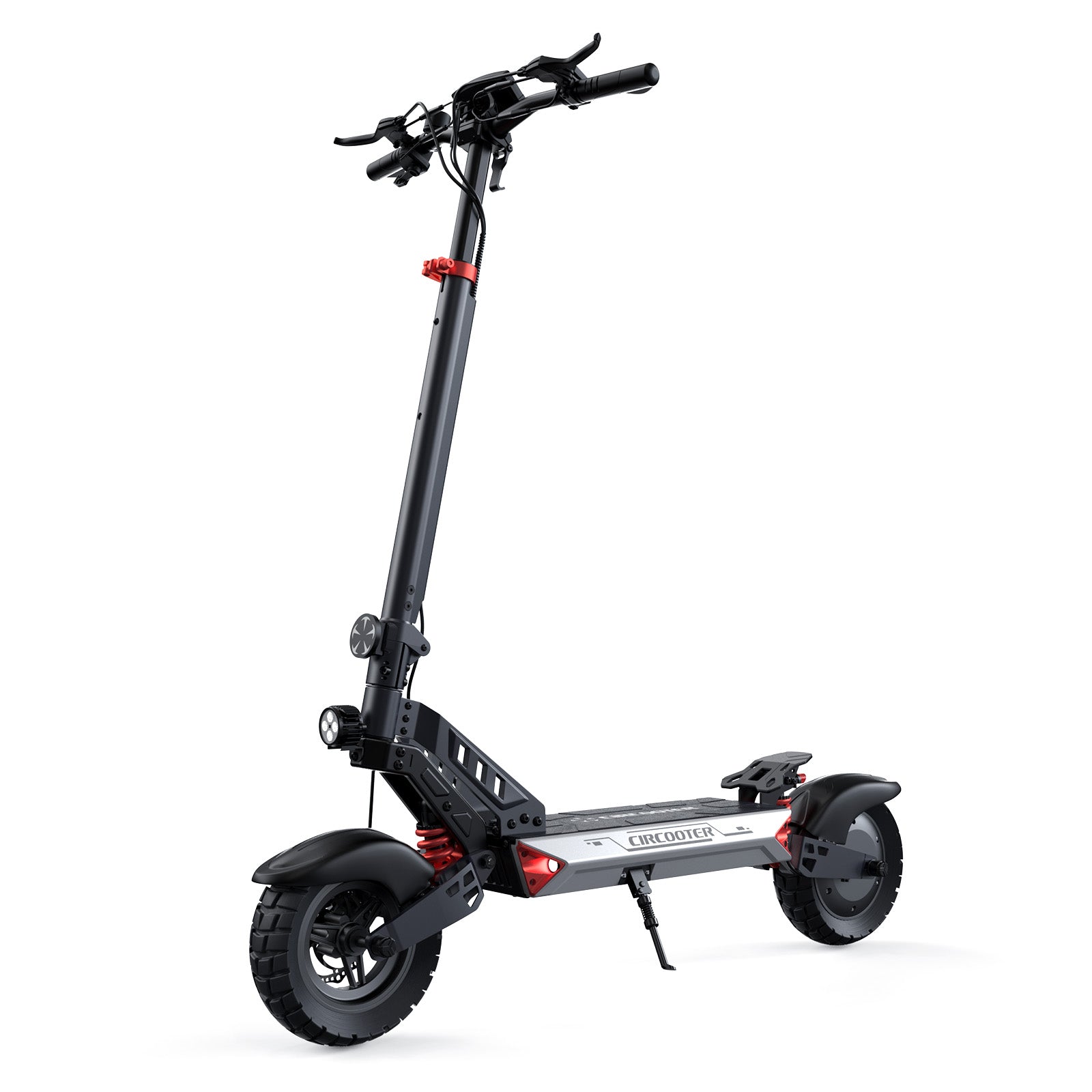
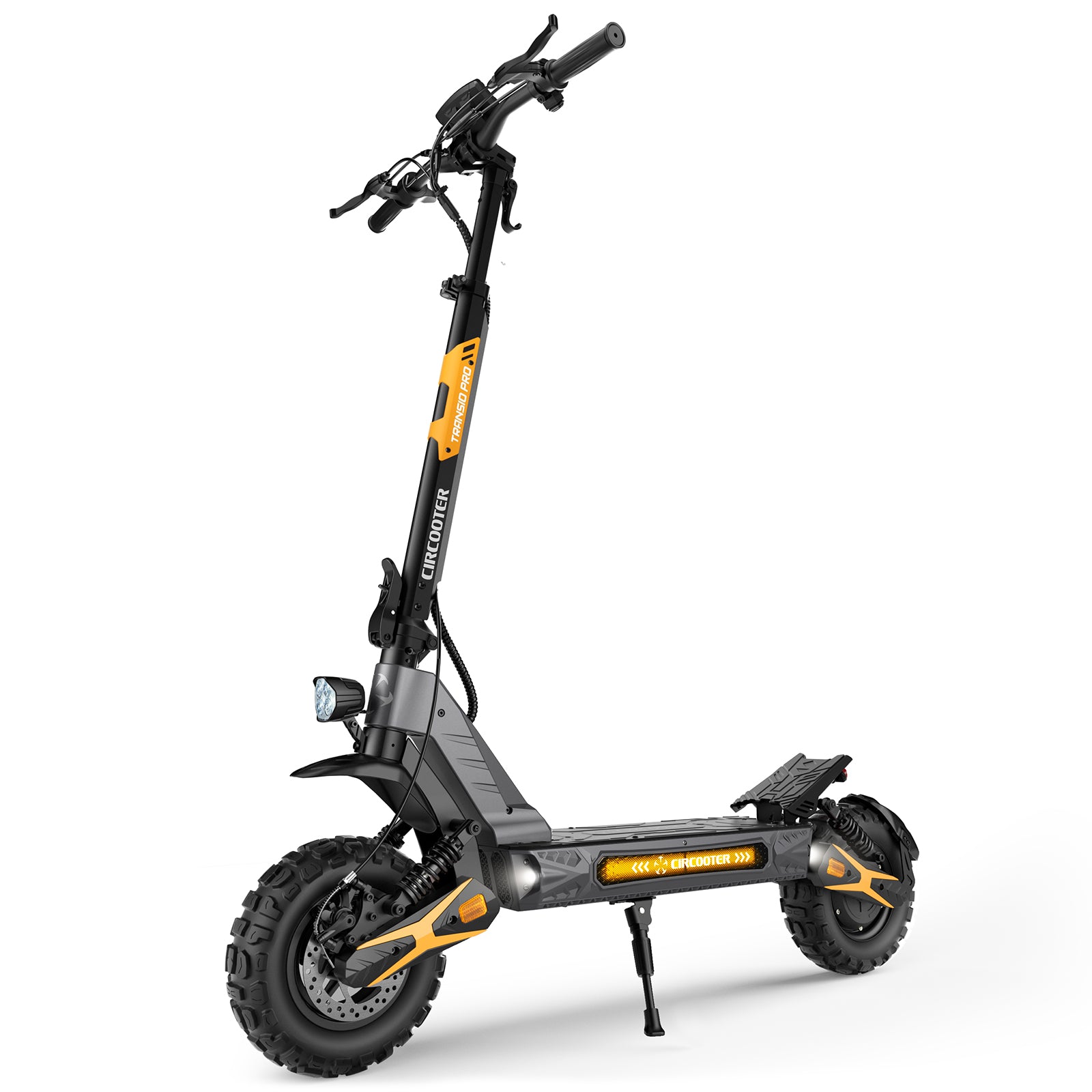
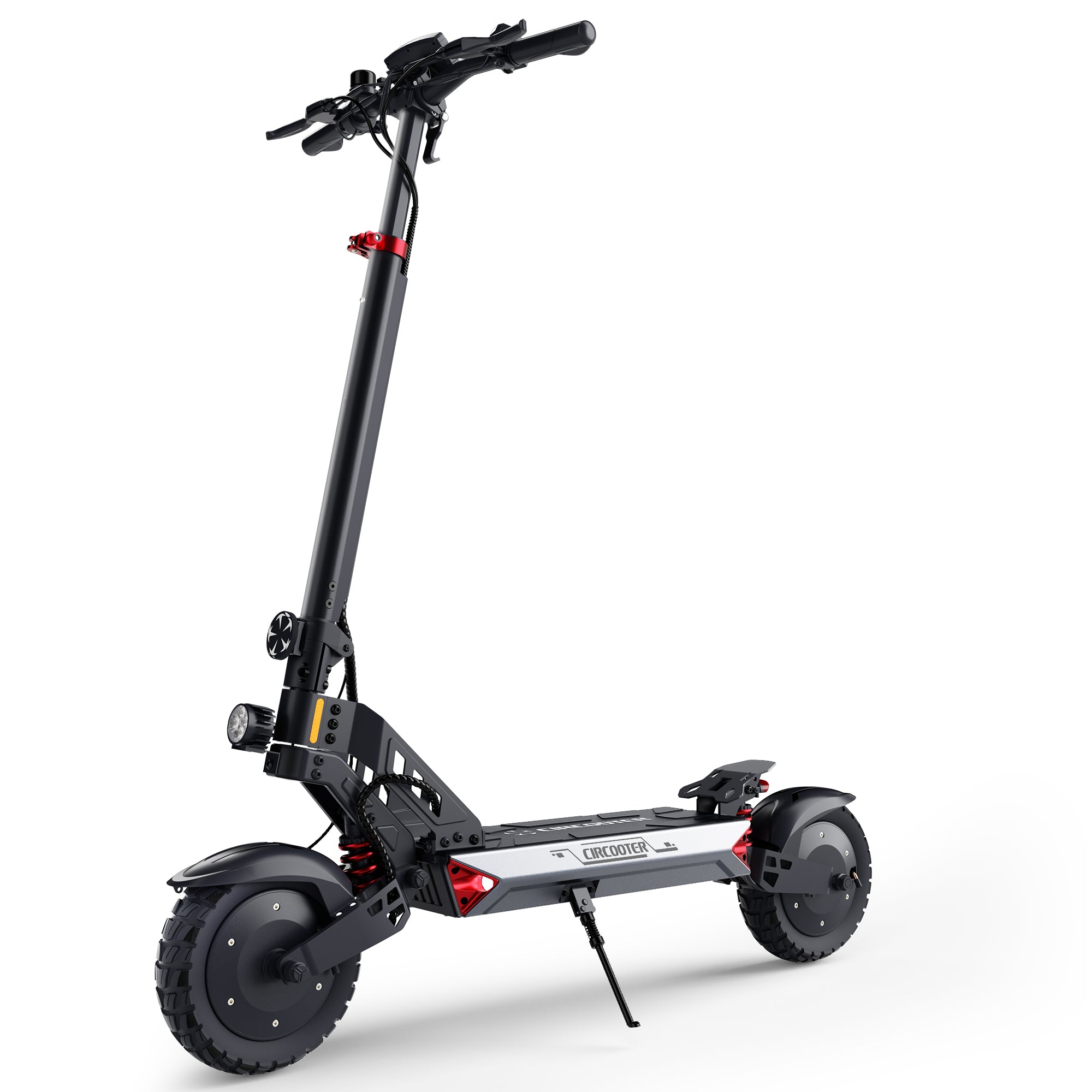
A simple maintenance checklist keeps routine checks manageable. The same basic checks apply whether you ride an entry-level Landturbo, a more powerful Landturbo Pro, or a Transio Pro. Higher-speed models make consistent tire and brake checks especially important.
Before Every Ride
Start with the basics: check the tires, squeeze both brakes, test the throttle and lights, and gently check the handlebars for movement.
Weekly or Regular Checks
Do a fuller safety check covering tire pressure, bolts, the folding latch, charger, and charging port. Routine maintenance works best as a habit. Add these items to your checklist so they are easier to remember.
Periodic Deeper Inspection
Follow the manufacturer's recommended service interval for a deeper inspection. This may include checking brake pads, rotors, tire wear, cables, and fasteners.
When Professional Servicing May Be Appropriate
Professional service may be appropriate when basic checks do not identify the problem or when it involves the brakes, battery, motor, controller, or other internal components. Contact the manufacturer or a qualified technician when you cannot safely identify or repair the issue.
Small Checks, Fewer Surprises
Good electric scooter maintenance is mostly about consistency. Checking the tires, brakes, fasteners, battery, and other key components regularly can help you notice changes while they are still easier to address.
A quick check before every ride and a more detailed inspection each week can reduce unexpected problems and help keep your scooter ready for the next trip.
Frequently Asked Questions About Electric Scooter Maintenance
How often should I do electric scooter maintenance?
Do a quick safety check before every ride and a more detailed inspection regularly. Follow the manufacturer's recommendations for deeper inspections and servicing.
What should I check first when troubleshooting an electric scooter?
Start with the tires and brakes, then check for loose components or other visible changes. Pay attention to low pressure, uneven wear, and changes in brake feel.
Can I do electric scooter troubleshooting myself?
Yes, for simple things like tire pressure, loose bolts, and dirty ports. Leave battery, motor, and controller work to a technician.
How can I tell if my electric scooter battery has a problem?
Watch for a sudden range drop, unusually long charging, excessive heat, swelling, or an unusual smell. Stop using the scooter and have it inspected.






Leave a comment
All comments are moderated before being published.
This site is protected by hCaptcha and the hCaptcha Privacy Policy and Terms of Service apply.