
Not Every Rider Is "Average". Here's What Actually Fits
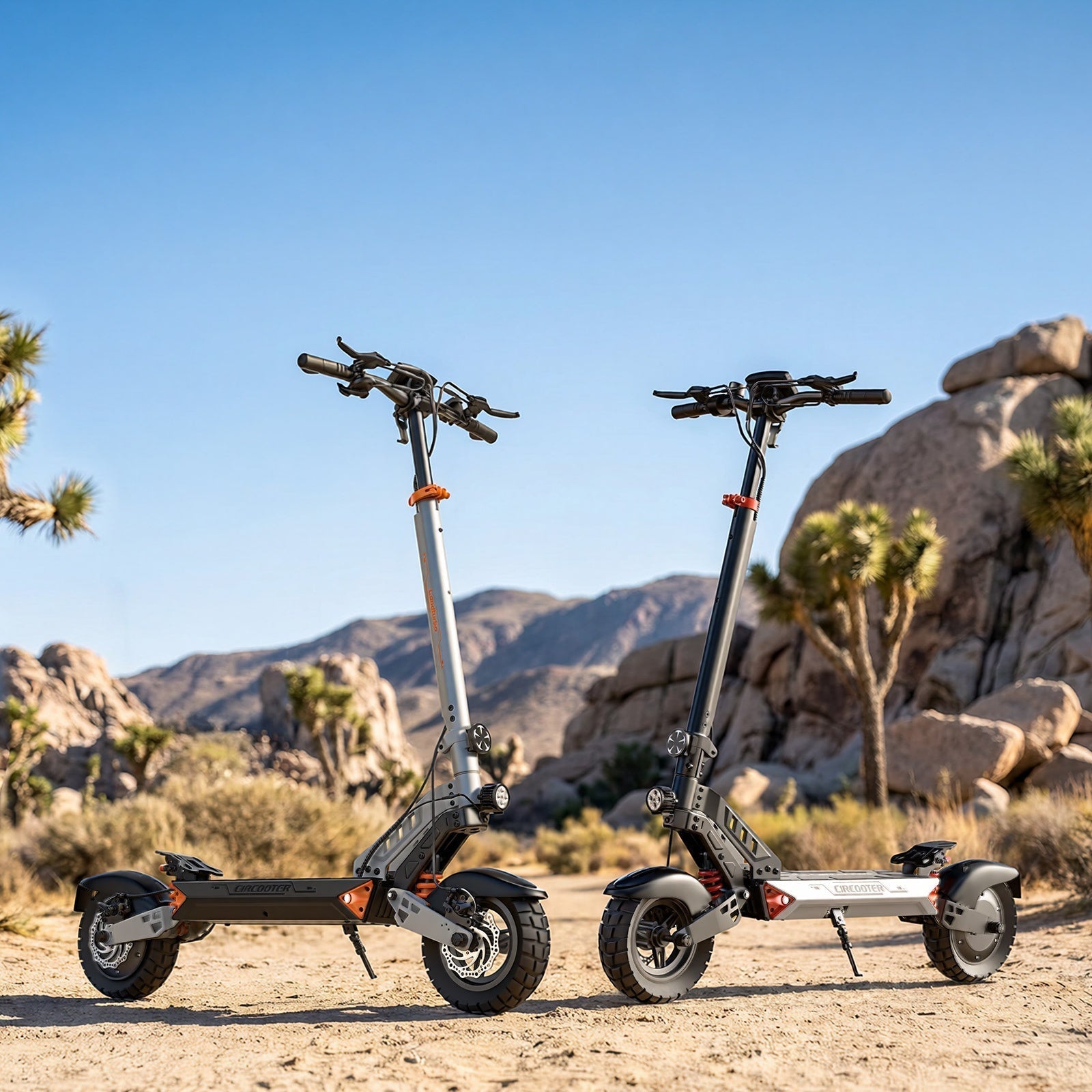
If you're a bigger or taller adult, the honest answer to "what's a good heavy duty electric scooter" is: it depends on which CIRCOOTER model you pick, because the brand builds several, not just one. Instead of a single scooter trying to serve every body type, CIRCOOTER splits its lineup across different motor sizes, deck footprints, and load ratings, so a 6' 4" rider and a 5' 6" rider can both end up with something that actually feels right under them.
That matters more than it sounds. A lot of scooters on the market are designed around a "typical" 150-170 lb rider, and anyone heavier or taller ends up feeling cramped, underpowered, or perched on a deck too small for their feet. Heavy duty doesn't just mean a bigger motor — it means the frame, tires, suspension, and footdeck were actually built with a wider range of bodies in mind.
Why "Big Guys" and Tall Riders Need Different Things
A 300 lb rider and a 6'5" rider don't need the exact same scooter, even though both often get lumped into "heavy duty" searches. It helps to separate the two:
Weight capacity is about how much load the frame, motor, and tires can carry without straining. This affects acceleration, hill climbing, and braking distance.
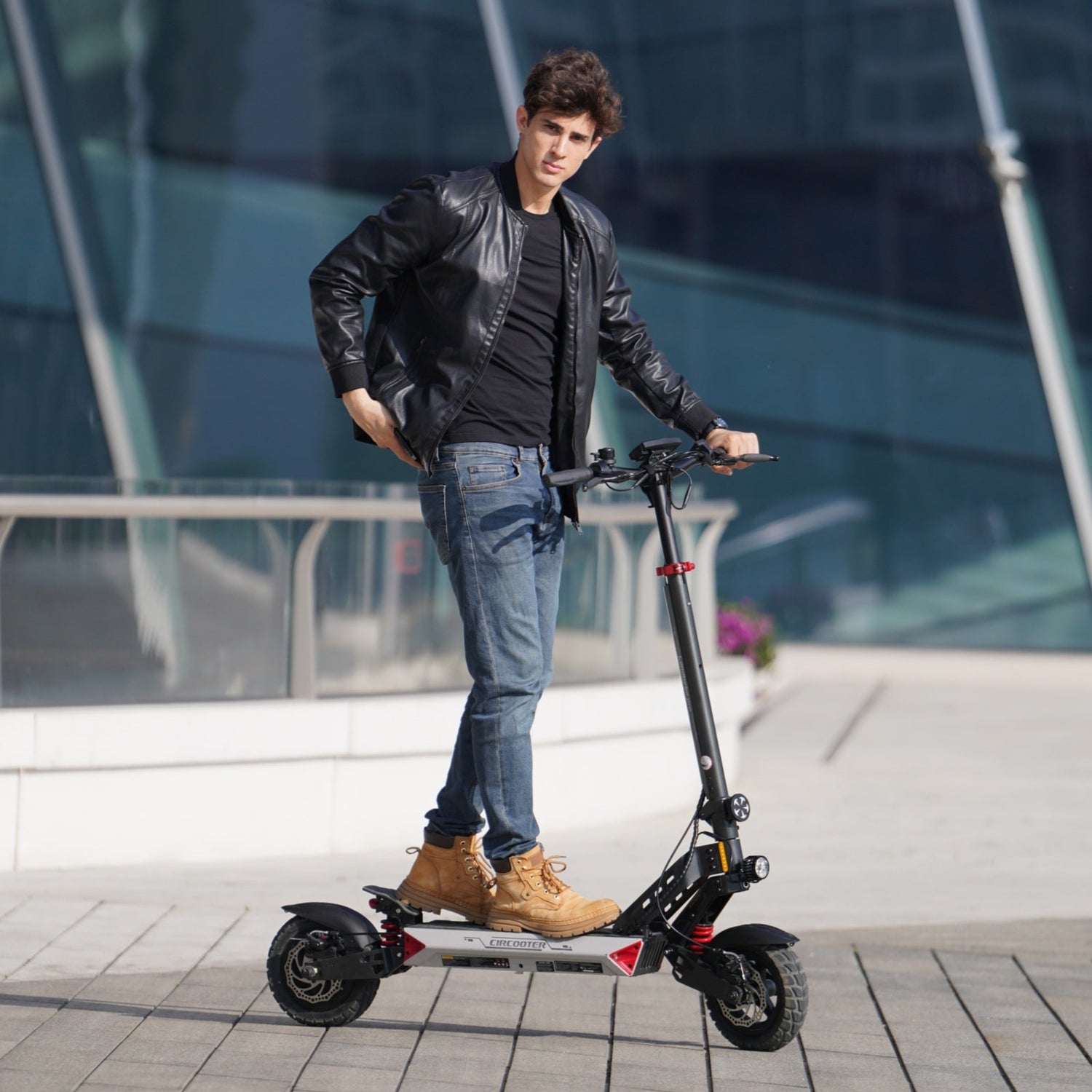
Height and stance comfort is about deck length, standing width, and handlebar height; a scooter can hold your weight just fine and still feel too small to stand on comfortably.
CIRCOOTER's lineup addresses both, because different models are tuned for different priorities:
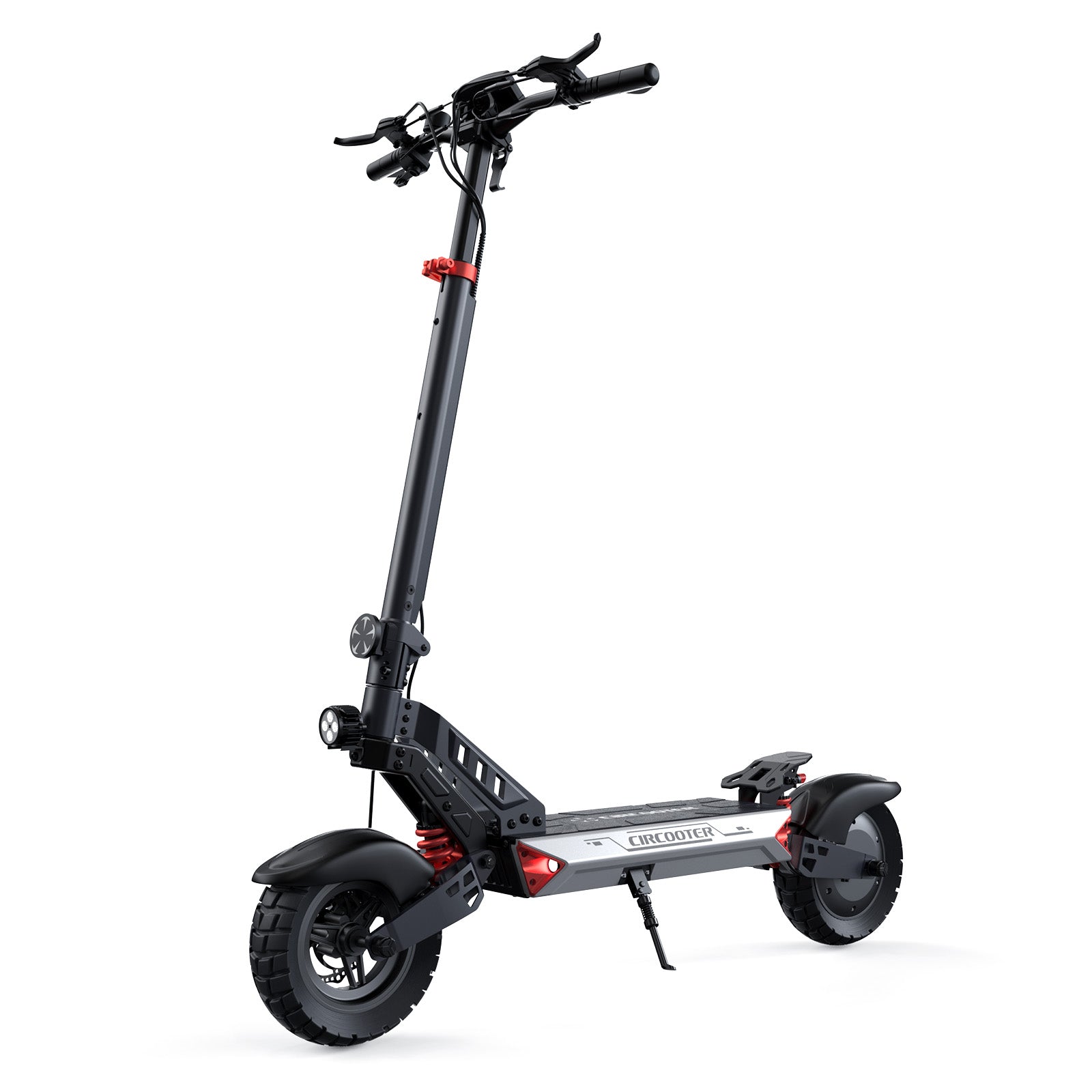
Landturbo - a 1000W single motor with a 330 lb load capacity and a 10-inch tubeless tire, good as an everyday entry point for bigger riders who mostly stick to streets and light trails.
Landturbo Pro - steps up to a 1500W motor with a longer range, useful for taller riders who want more torque without jumping to a dual-motor scooter.
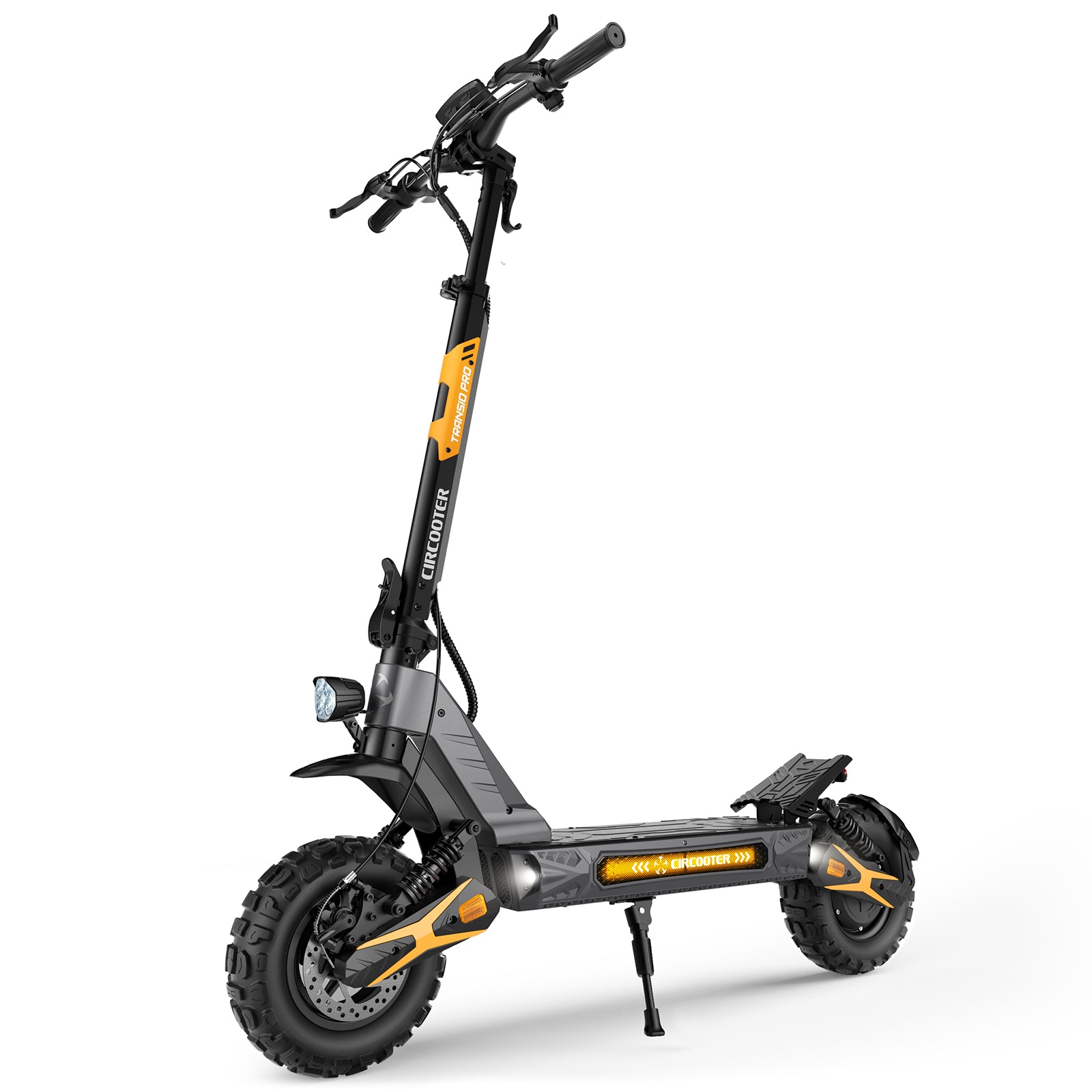
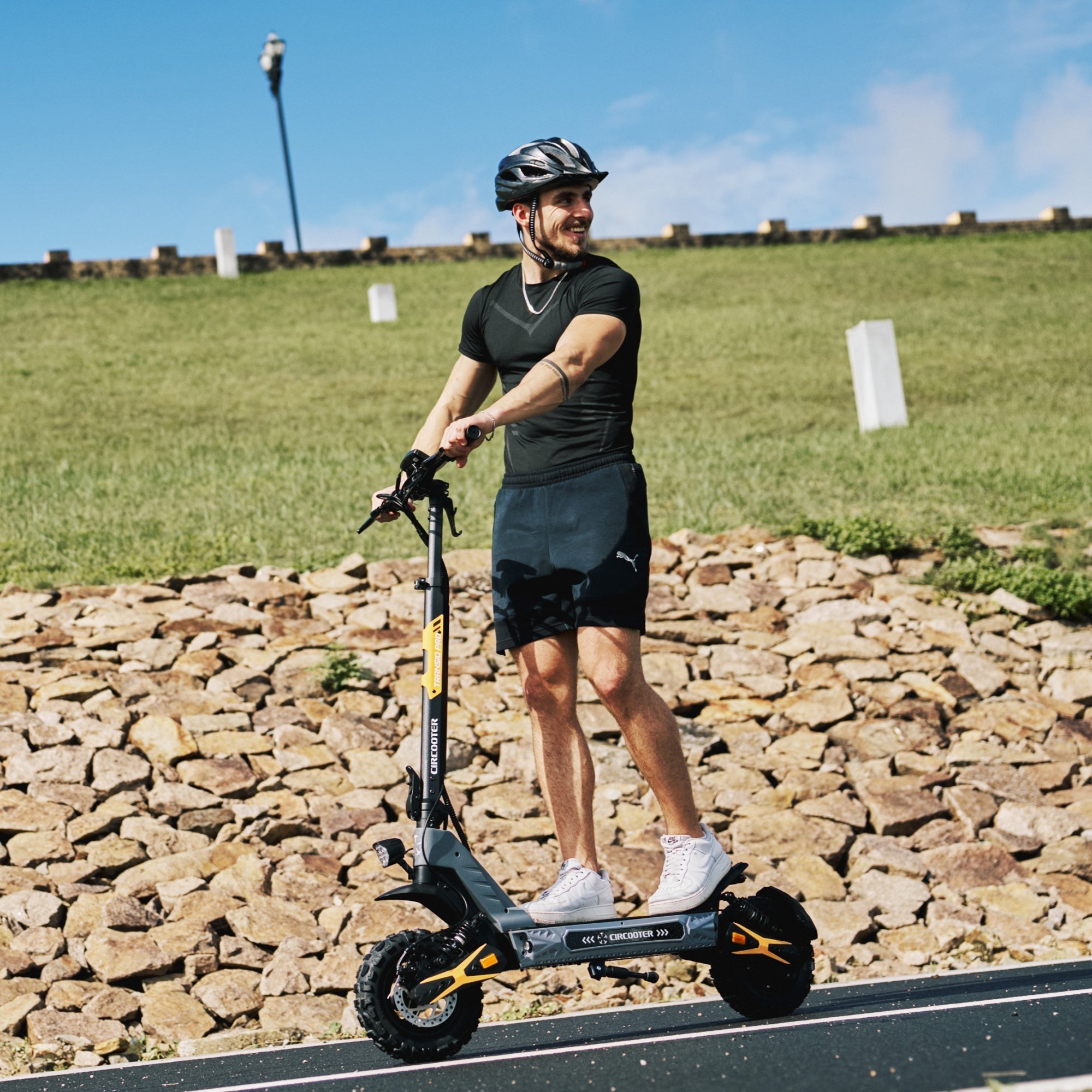
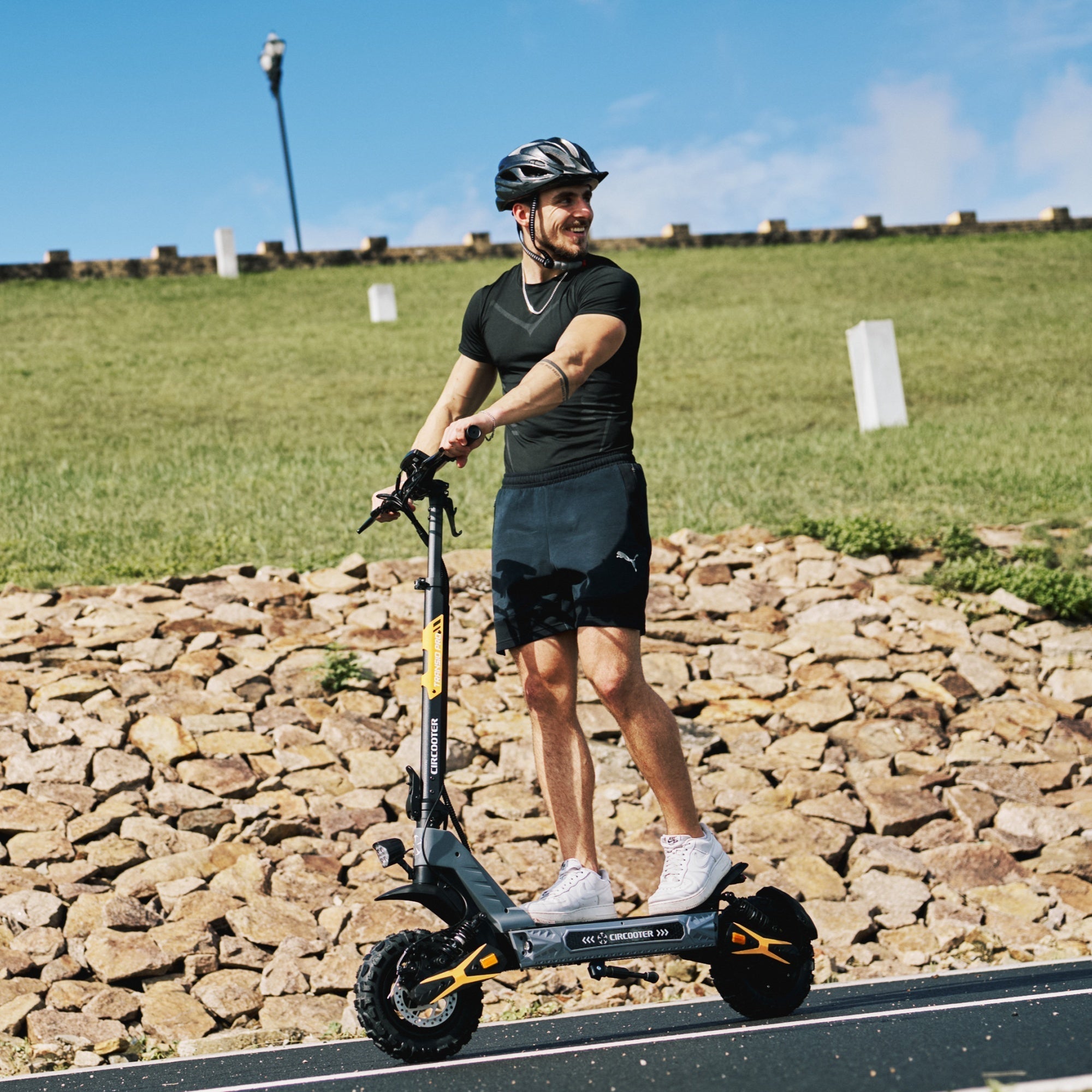
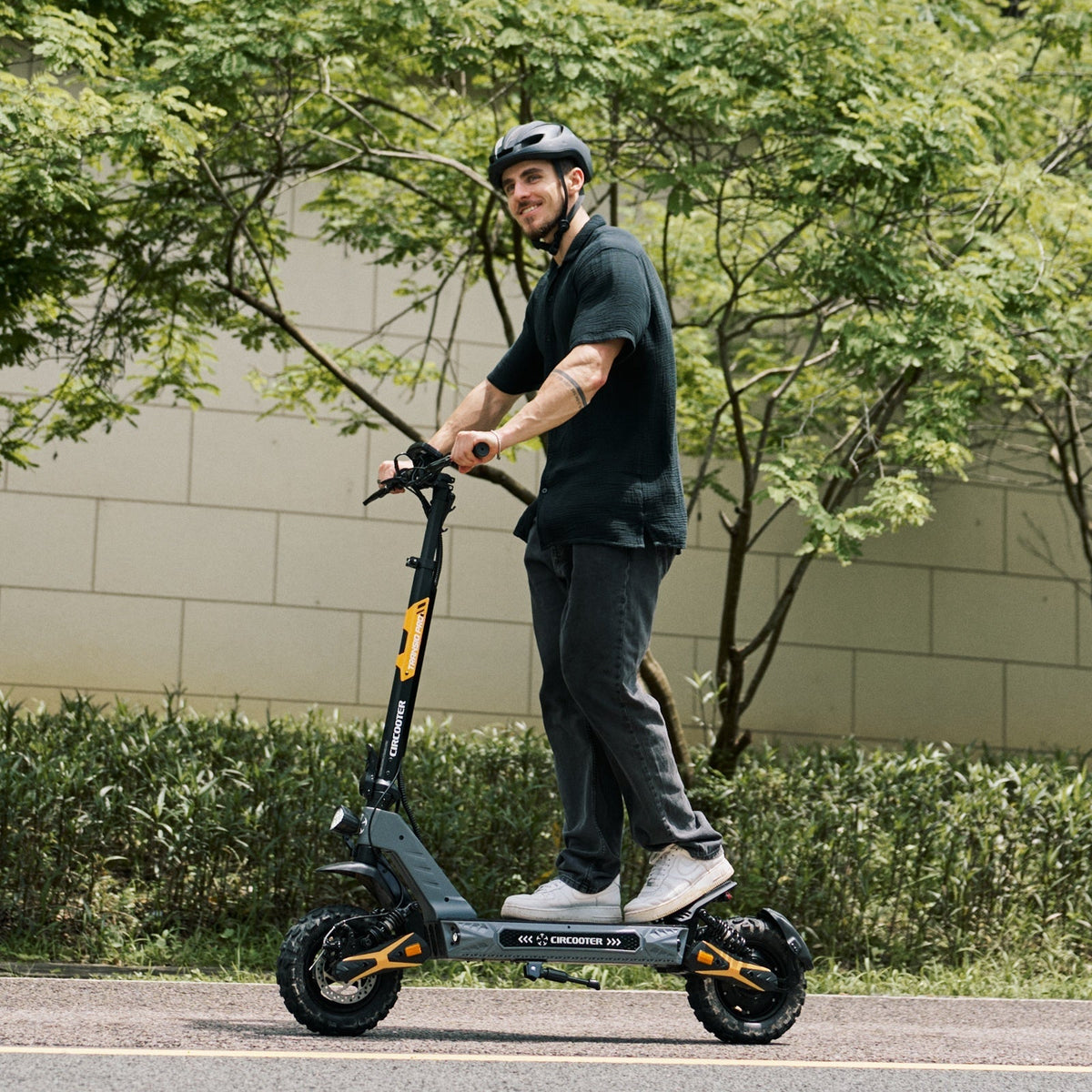
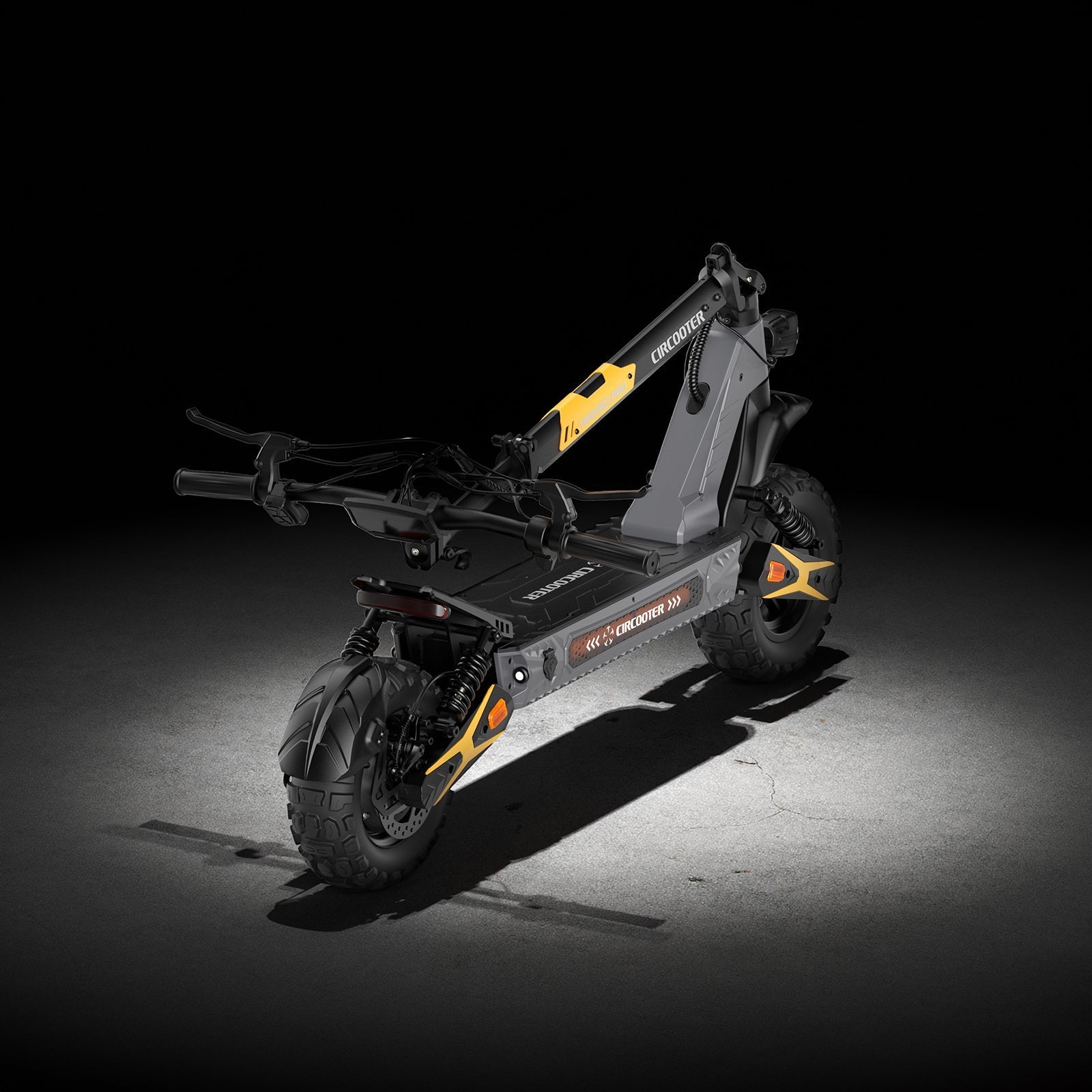
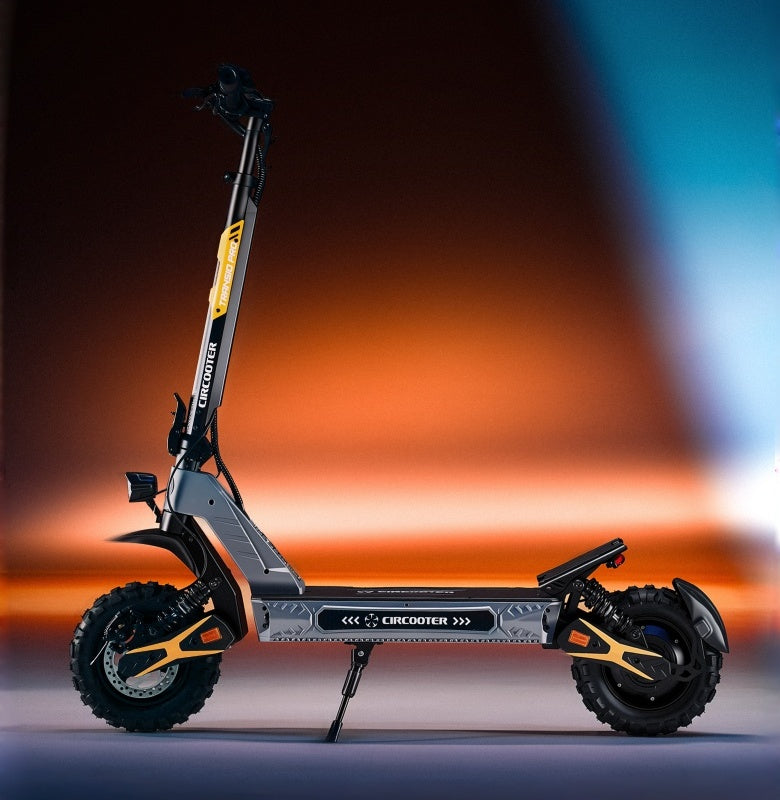
Transio Pro - built around 11-inch tires and a 330 lb load rating, which gives a wider footprint and more stability for larger riders on rougher pavement.
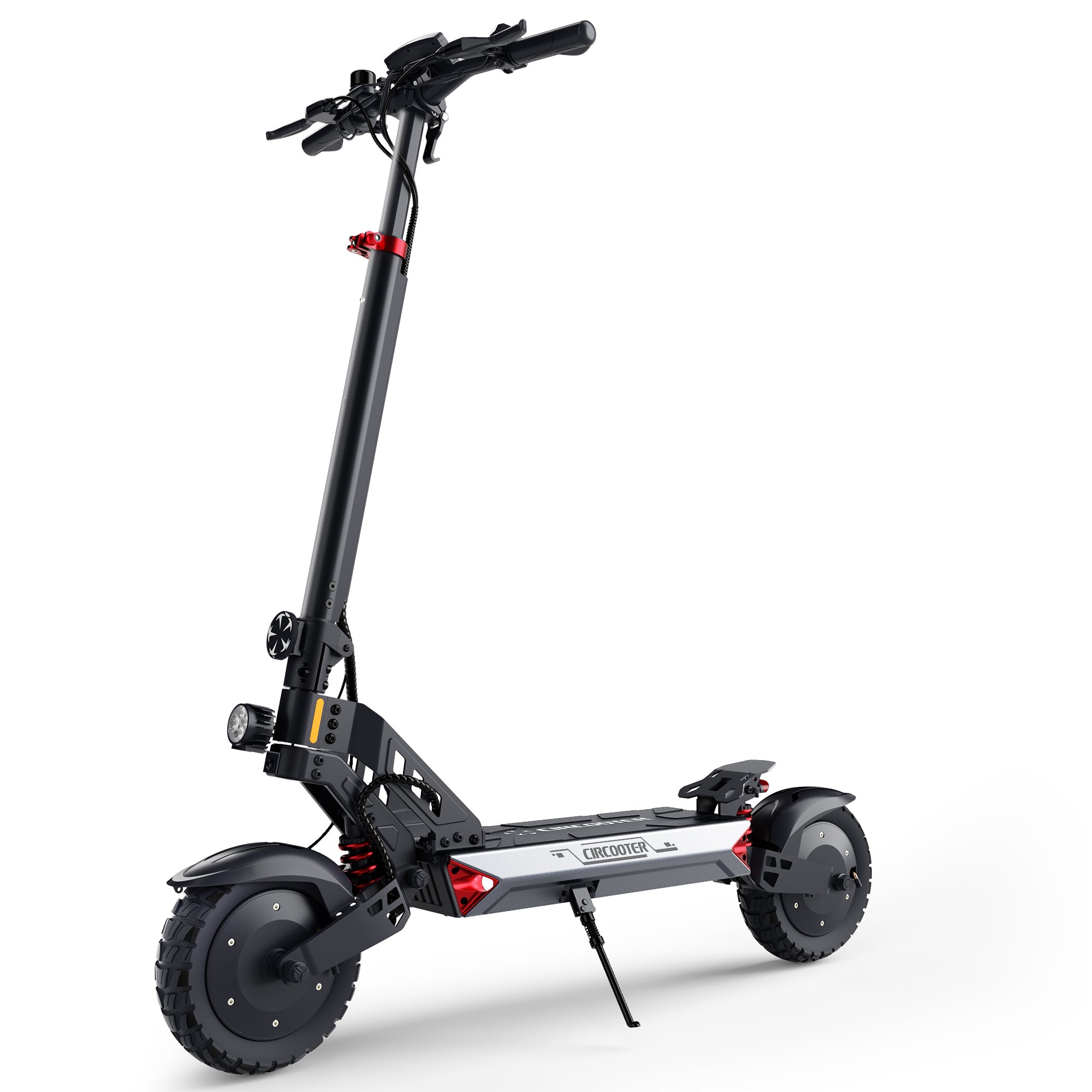
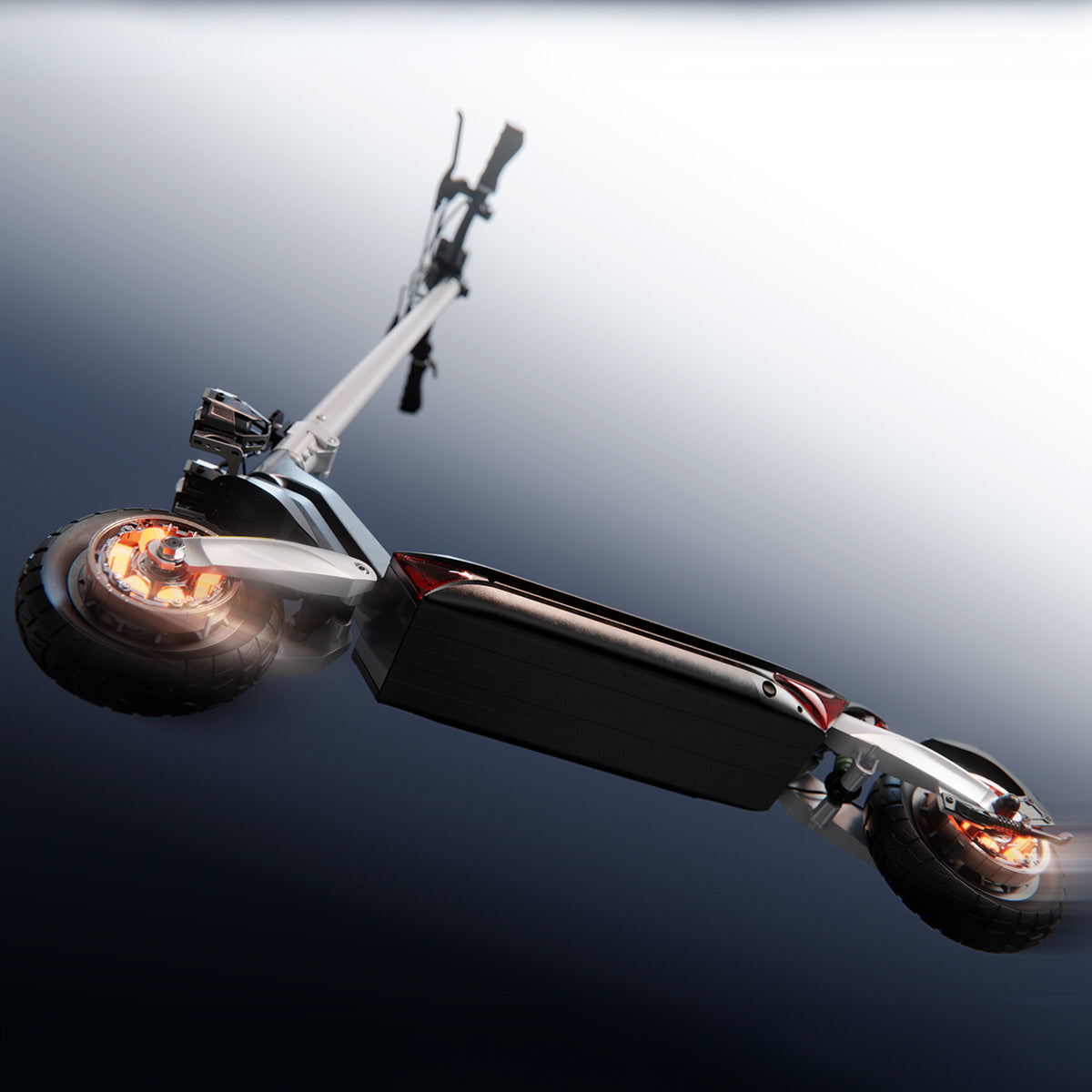
Raptor Pro - dual 800W motors (1600W combined), which spreads the workload across two motors instead of one, helping with hill starts for heavier loads.
Landturbo Ultra - the top of the range, with dual 1200W motors and the longest range in the lineup, aimed at riders who want the most headroom in power and distance.
How to Actually Pick the Right One

Rather than asking "which CIRCOOTER is the heavy duty one," it's more useful to ask what you personally need most. A few questions worth sitting with:
Are you closer to the weight limit, or well under it? If you're near 300 lbs, prioritizing models with dual motors (Raptor Pro, Landturbo Ultra) means the scooter isn't working near its ceiling every ride.
Do you ride mostly on smooth pavement, or does your commute include potholes, gravel, or uneven sidewalks? Bigger, off-road-style tires like on the Transio Pro tend to absorb rough terrain better, which matters more when there's more weight coming down on them.
How far are you actually riding? Range drops faster under a heavier load, so if your commute is long, it's worth leaning toward the higher-capacity battery models rather than the entry-level ones.
It's also worth thinking about upkeep before you buy, not after. Heavier use puts more wear on components like tires, and it's worth knowing what that maintenance looks like ahead of time. Circooter's tire replacement guide walks through when tires typically need attention, and it's a good one to bookmark regardless of which model you end up with. Some riders also look into scooter insurance once they're commuting daily, since it covers things like theft or accidental damage that a standard warranty won't.
Comfort Isn't Just About the Motor
It's easy to focus only on wattage and top speed when a scooter is marketed toward bigger riders, but comfort comes from a handful of smaller details working together:
A wide, stable deck that doesn't feel narrow when you're standing normally, not tiptoeing to keep your feet centered
Dual shock absorption or swing-arm suspension, which matters more the heavier the load pressing down on it
Dual disc brakes with a reliable stopping distance, since more weight means more momentum to slow down
A frame material that's built to handle repeated heavier loads without flexing over time
None of these show up in a spec sheet the same way "1600W" does, but they're often what separates a scooter that merely supports your weight from one that actually feels good to ride every day.
The Bottom Line: Fit Comes Before Power
The real takeaway here isn't "buy the biggest motor you can find." It's that a heavy duty electric scooter for adults should match your actual body and actual commute, your weight, your height, your terrain, your distance, rather than a generic idea of "big and powerful." CIRCOOTER's approach of building out several distinct models, instead of one scooter trying to do everything, is what makes it possible for a 300 lb rider and a 6'5" rider to both walk away with something that fits, instead of something that just barely works.
Quick Questions Before You Buy
Is there really an electric scooter that can handle a 300 lb adult comfortably?
Yes. CIRCOOTER's Landturbo, Transio Pro, Raptor Pro, and Landturbo Ultra are all rated up to 330 lbs, so a 300 lb rider has some room to spare rather than riding right at the limit.
What's the difference between a heavy duty scooter for a big guy versus a tall adult?
Weight capacity is about how much load the motor and frame can carry, while height comfort is more about deck length and handlebar height — the two don't always line up, so it's worth checking both.
Do dual-motor scooters make sense for heavier riders?
Often, yes. Splitting the workload across two motors, like on the Raptor Pro or Landturbo Ultra, tends to mean less strain on hills and quicker acceleration under a heavier load.
Does a higher weight capacity mean shorter battery range?
Range is typically tested near a lighter reference weight, so heavier riders should expect somewhat less than the advertised max range. This is another reason to lean toward the longer-range models if you're closer to the weight limit.
How often should bigger riders check their tires?
More load means more wear, so it's worth inspecting tires a bit more often than the standard recommendation. The tire replacement guide linked above covers the warning signs to watch for.

Leave a comment
All comments are moderated before being published.
This site is protected by hCaptcha and the hCaptcha Privacy Policy and Terms of Service apply.